



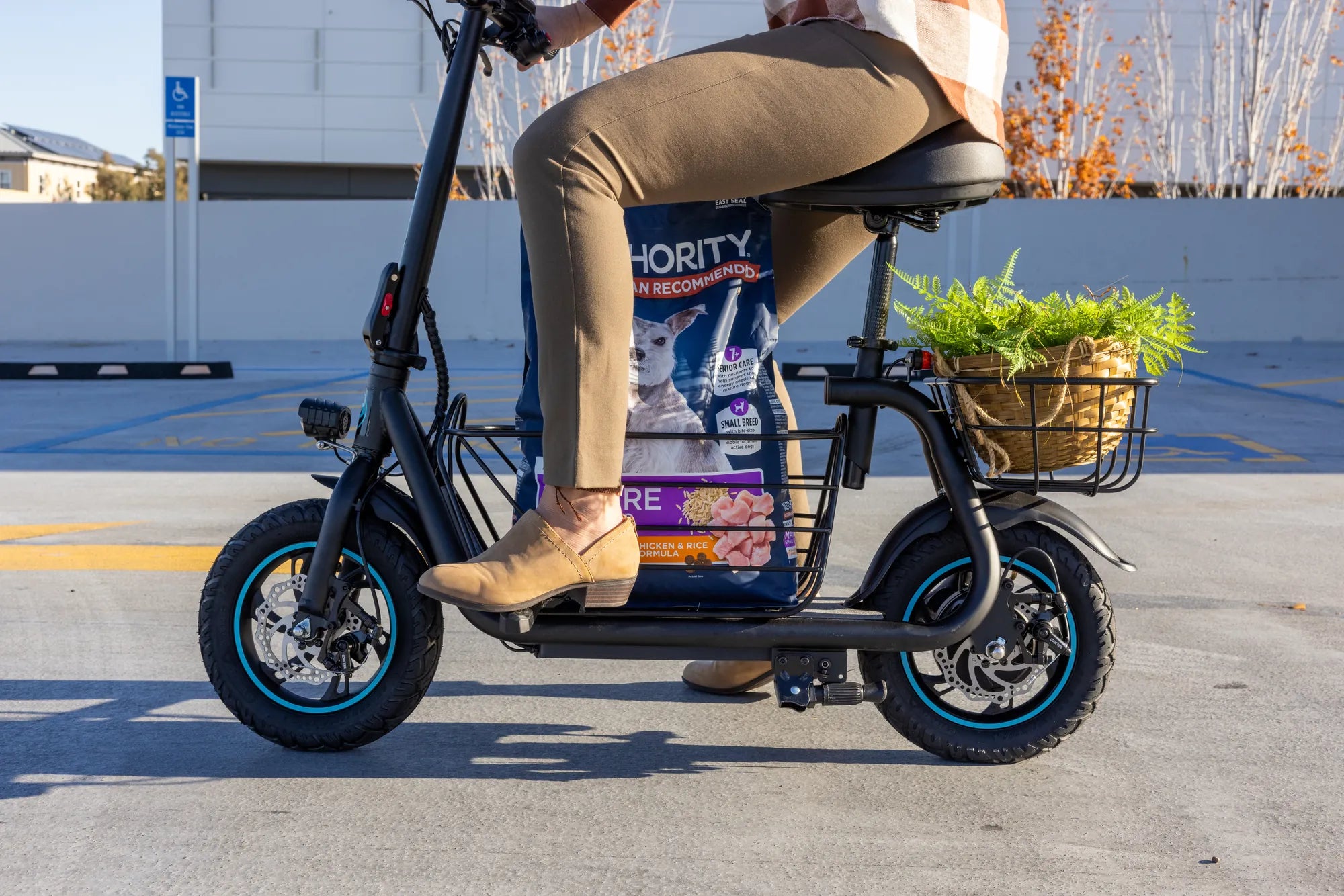
Electric scooters have revolutionized urban commuting, offering a fast, eco-friendly, and cost-effective way to navigate crowded streets. Among the most sought-after features is lightweight electric scooter weight, which determines how portable and user-friendly the ride is. Whether you're a daily commuter or a casual rider, understanding the importance of weight can help you choose the perfect scooter for your needs.
Why Lightweight Electric Scooter Weight Matters
When it comes to electric scooters, weight plays a crucial role in both performance and convenience. A lightweight electric scooter is easier to carry, store, and maneuver, making it ideal for commuters who need to take their ride on public transport or up flights of stairs. However, weight also affects battery life, speed, and stability, so finding the right balance is key.
Portability and Ease of Use
One of the biggest advantages of a lightweight electric scooter is its portability. Models weighing under 30 pounds are easy to lift and fold, allowing riders to carry them effortlessly. This is especially useful for those who need to combine scooting with other modes of transportation, such as buses or trains.
Performance and Battery Efficiency
While lighter scooters are more portable, they often have smaller batteries, which can limit range. However, advancements in battery technology have made it possible to enjoy decent mileage without excessive weight. A well-designed lightweight electric scooter can still offer 15-25 miles per charge, depending on usage.
Key Factors Affecting Lightweight Electric Scooter Weight
Several components contribute to the overall weight of an electric scooter. Understanding these can help you make an informed decision.
Frame Material
The frame is one of the heaviest parts of an electric scooter. Aluminum alloys are commonly used for lightweight electric scooters because they provide durability without adding unnecessary bulk. Carbon fiber is even lighter but tends to be more expensive.
Battery Size and Type
Lithium-ion batteries are the standard for modern electric scooters due to their high energy density and relatively low weight. However, larger batteries will increase the overall lightweight electric scooter weight, so riders must decide between portability and range.
Motor Power
More powerful motors generally add weight, but they also improve speed and hill-climbing ability. Some lightweight electric scooters use efficient hub motors that balance performance and weight.
How to Choose the Right Lightweight Electric Scooter
Selecting the perfect scooter depends on your specific needs. Here are some tips to help you decide.
Consider Your Commute
If you need a scooter for short trips and frequent carrying, prioritize models under 25 pounds. For longer commutes, a slightly heavier scooter with a larger battery may be more practical.
Check Weight Limits
Even lightweight electric scooters have weight limits. Ensure the scooter you choose can comfortably support your body weight while maintaining performance.
Test Ride Before Buying
If possible, try out different models to see how they feel. A scooter that seems light in specs might still feel cumbersome when folded and carried.
Maintaining a Lightweight Electric Scooter
Keeping your scooter in top condition ensures longevity and performance.
Regular Inspections
Check the tires, brakes, and folding mechanism regularly to prevent wear and tear. A well-maintained lightweight electric scooter will last longer and perform better.
Proper Charging Habits
Avoid overcharging the battery, as this can reduce its lifespan. Store the scooter in a cool, dry place to protect its components.
The Future of Lightweight Electric Scooters
As technology advances, we can expect even lighter and more efficient scooters. Innovations in materials, battery tech, and motor efficiency will continue to push the boundaries of what a lightweight electric scooter can achieve.
Whether you're zipping through city streets or hopping on a train, a lightweight electric scooter offers unmatched convenience and freedom. By understanding the factors that influence weight, you can find the perfect ride to match your lifestyle and needs.
Electric Scooter 5: The Future of Urban Mobility and Sustainable Commuting
Is Driving License Required for Electric Scooter? What You Need to Know