



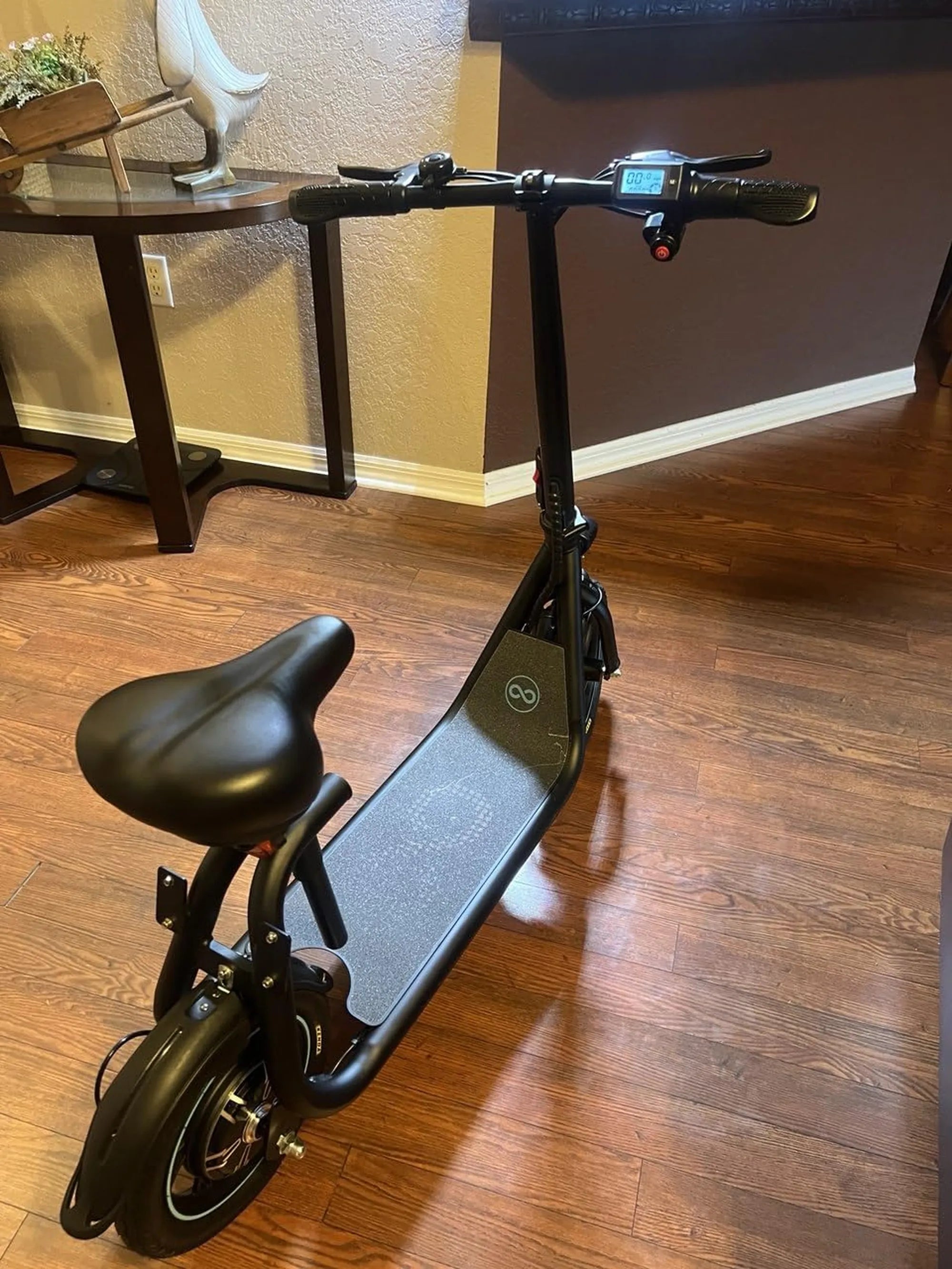
Introduction to Lithium Electric Scooters
The modern cityscape is being reshaped by a quiet revolution on two wheels. Lithium electric scooters represent a fundamental shift in how we navigate dense urban environments, offering a practical and efficient alternative to cars and public transit. At their core, these scooters are defined by their use of advanced lithium-ion battery packs, which provide the high energy density, light weight, and longevity necessary for reliable daily use. This technology has moved personal electric mobility from a novelty to a viable, mainstream transportation solution.
For millions of commuters, students, and urban explorers, the promise is clear: door-to-door travel without traffic jams, parking fees, or emissions. The global adoption of this technology is accelerating, driven by the need for sustainable and decongesting transit options. Brands like Gyroor have been instrumental in this shift, building a reputation for safety and reliability trusted by over 100,000 riders across North America and Europe. Their focus on UL-certified batteries and robust construction exemplifies the industry standards that make this future possible.
This article will delve into the technology that makes lithium electric scooters the future of urban mobility, provide a comprehensive guide for choosing the right model, and analyze their broader societal impact. From battery chemistry to cost savings, we will equip you with the knowledge to understand and embrace this transformative mode of transport.
Why Lithium-Ion is the Game-Changer for E-Scooters
The dominance of lithium-ion technology in electric scooters is no accident; it is the result of superior performance across every critical metric. To understand why, it's helpful to compare it to the older battery technology it replaced: lead-acid. Lead-acid batteries are heavy, have low energy density, and suffer from a "memory effect" that reduces capacity over time. Lithium-ion batteries overcome these limitations, enabling the sleek, powerful, and practical scooters we see today.
The key advantages are profound. First is energy density: lithium-ion batteries store significantly more energy per kilogram. This directly translates to longer range without adding excessive weight. Second is weight: a typical lithium pack is up to 70% lighter than a lead-acid battery with comparable capacity, making the scooter easier to carry and more agile. Third is lifespan: quality lithium-ion cells can endure 500 to over 1000 full charge cycles while maintaining most of their original capacity, far outpacing lead-acid.
Furthermore, lithium batteries charge faster, have higher discharge rates for better acceleration, and do not require periodic full discharges. This combination of traits—lightweight, long-lasting, and powerful—is uniquely suited to the demands of personal electric vehicles. It's the foundational technology that allows a scooter to be a legitimate tool for a 10-mile commute, not just a last-mile toy.
Performance and Range: Going the Distance
The theoretical advantages of lithium-ion chemistry manifest directly in real-world riding experience. The most noticeable benefit for riders is extended range. Modern lithium electric scooters can achieve between 15 and 40 miles on a single charge, with some high-performance models reaching even farther. This range comfortably covers most daily urban and suburban trips, effectively eliminating "range anxiety" for the average commuter.
Consistent power delivery is another critical performance marker. A robust lithium battery pack, managed by a proper Battery Management System (BMS), provides stable voltage output. This means the scooter maintains its top speed and torque, even as the battery depletes, unlike older technologies that would noticeably slow down. This stability is crucial for safely navigating traffic and tackling inclines.
Hill-climbing ability is a direct function of motor power and battery discharge capability. Lithium-ion batteries can deliver high currents efficiently, allowing motors rated from 350W to 1000W to convert that energy into torque. This enables modern scooters to handle gradients of 15-20%, making them viable in cities with varied topography. The synergy of a high-output lithium battery and a powerful motor is what transforms an e-scooter from a flat-path cruiser into a true urban mobility vehicle.
Safety and Reliability: The Non-Negotiables
As with any energy-dense technology, safety is paramount. Responsible manufacturers prioritize multiple layers of protection to ensure battery safety and overall vehicle reliability. The heart of this system is the Battery Management System (BMS), a dedicated circuit that monitors cell voltage, temperature, and current. It prevents overcharging, over-discharging, and short circuits, which are primary causes of battery failure.
Independent safety certifications are the gold standard for verifying these protections. UL (Underwriters Laboratories) certification, particularly UL 2272 for the battery pack and UL 2849 for the entire electrical system, involves rigorous testing for electrical, mechanical, and environmental hazards. Choosing a scooter with certified components is the most critical step a consumer can take for peace of mind.
Beyond the battery, overall build quality dictates long-term reliability. This includes IP (Ingress Protection) ratings for water and dust resistance. An IPX5 rating, for example, means the scooter can withstand water jets from any direction, making it safe to ride in light rain or on wet roads. Brands like Gyroor build their reputation on these fundamentals, utilizing UL-certified battery packs and engineering IPX5 water-resistant designs to ensure their scooters are dependable daily companions, backed by a comprehensive 1-year warranty.
Choosing Your Lithium Electric Scooter: A Practical Guide
Navigating the market for lithium electric scooters requires matching technical specifications to your personal mobility needs. A scooter perfect for a student's campus commute may be ill-suited for a longer suburban journey. The key is to prioritize the features that align with your most common use cases, rather than being swayed by a single impressive stat like top speed.
Start by defining your primary use case. What is the typical distance of your trip? What is the terrain like (smooth bike paths, city streets with potholes)? Will you need to carry the scooter onto a bus, up stairs, or into an office? Answers to these questions will immediately narrow your focus to scooters with appropriate range, suspension, and portability.
Your budget is the next major filter. While it's tempting to seek the lowest price, investing in a scooter from a reputable brand with quality batteries and construction pays dividends in safety, longevity, and performance. Consider it an investment in your daily commute and personal safety. The following sections break down the key specifications and how they map to different rider profiles.
Key Specs to Compare: Battery, Motor, and Build
Understanding a few core specifications will empower you to make an informed comparison. The battery is defined by voltage (V) and capacity (Ah or Wh). Voltage (e.g., 36V, 48V) influences top speed and power, while capacity (e.g., 10Ah, 15Ah) is the primary determinant of range. A higher Wh (Voltage x Amp-hours) number generally indicates a longer potential range.
The motor, measured in watts (W), determines acceleration and hill-climbing prowess. A 350W motor is sufficient for flat commutes, while 500W or 800W motors provide more confidence on hills and faster acceleration. The motor type, typically brushless hub motors, is standard for efficiency and low maintenance.
Build specifications include the maximum weight limit, which should comfortably exceed your weight plus any cargo; tire type (air-filled pneumatic tires offer better shock absorption than solid tires); and the presence of suspension (spring or hydraulic) for a smoother ride on rough pavement. A sturdy frame, effective braking system (disc, drum, or electronic), and bright lighting are non-negotiable for safety.
Matching Features to Your Commute
The Last-Mile Commuter: This rider uses the scooter to bridge the gap between home/public transit and the office. Priority features are portability (lightweight, often under 30 lbs, with a folding mechanism), a compact footprint, and a range of 10-15 miles. A Gyroor commuter model, with its balance of weight and UL-certified battery, is an ideal fit for this reliable, daily use.
The Suburban Explorer: Needing to cover longer distances (15-30 miles) on varied roads, this rider prioritizes range, comfort, and power. A larger battery capacity (15Ah+), a motor of 500W or more, and dual suspension with pneumatic tires are key. These features handle longer commutes and weekend errands with ease.
The Student on Campus: Durability, ease of use, and value are paramount. A scooter with a simple control interface, solid tires to avoid flats, and a robust frame to withstand daily use is ideal. A moderate range (10-20 miles) covers most campus needs, and a manageable weight is important for carrying between classes.
| Rider Profile | Priority Features | Recommended Battery | Recommended Motor |
|---|---|---|---|
| Last-Mile Commuter | Portability, Folding, Light Weight | 36V-48V, 7.8-10Ah | 350W-500W |
| Suburban Explorer | Long Range, Suspension, Power | 48V, 12Ah-15Ah+ | 500W-800W+ |
| Campus Student | Durability, Value, Low Maintenance | 36V-48V, 10Ah-12Ah | 350W-500W |
The Broader Impact: Eco-Conscious and Cost-Effective Travel
The rise of lithium electric scooters extends beyond personal convenience to offer tangible solutions for pressing urban and environmental challenges. As cities grapple with congestion, pollution, and the climate crisis, micro-mobility presents a scalable alternative. Each scooter on the road represents one less short car trip, with cumulative effects that can reshape transportation networks.
From a personal finance perspective, the economic argument for e-scooter ownership is compelling when viewed as a replacement for other forms of transport. The initial purchase price is offset by the near-elimination of recurring costs associated with cars or frequent use of ride-sharing services. The low cost of electricity for charging, coupled with minimal maintenance, results in a remarkably low cost per mile traveled.
This section examines both the macro benefits for our cities and the micro benefits for your wallet, illustrating why the adoption of lithium electric scooters is a rational choice on multiple levels.
Environmental and Urban Benefits
Lithium electric scooters produce zero tailpipe emissions. When charged on a standard electrical grid, their overall carbon footprint is a fraction of that of a gasoline-powered car or motorcycle, even when accounting for manufacturing and electricity generation. For trips under five miles—a significant portion of urban travel—they are arguably the most efficient motorized option available.
Their impact on urban congestion is equally significant. Scooters take up a minuscule amount of road and parking space compared to cars. Widespread adoption can reduce traffic density, shorten commute times for all road users, and free up public space currently dedicated to parking. Furthermore, they operate almost silently, contributing to noise pollution reduction in dense urban cores.
While the sustainability of lithium-ion battery production and recycling is an ongoing area for improvement, the in-use environmental benefits are clear and immediate. They represent a critical step in decarbonizing urban transportation and creating more livable, people-centric cities.
Total Cost of Ownership Analysis
To understand the true value, a simple total cost of ownership (TCO) comparison is revealing. Let's compare a year of commuting via a personal lithium electric scooter versus other common modes.
E-Scooter (Ownership): Initial investment: $500-$1500. Annual electricity cost for daily charging: ~$20. Annual maintenance (tires, brakes): ~$50. First-year TCO: $570-$1570. Subsequent years drop to ~$70.
Public Transit: Monthly pass in a major city: $70-$150. Annual Cost: $840-$1800.
Ride-Sharing (Twice Daily): Two 3-mile trips/day at ~$10 each: $20/day. Annual Cost: ~$7,300 (for workdays only).
Car (for short commutes): Fuel, insurance, parking, depreciation, and maintenance for a short daily drive can easily exceed $3,000-$5,000 annually.
The data shows that even a premium lithium electric scooter pays for itself within months when replacing regular ride-sharing or supplementing public transit. The long-term savings are substantial, making it not just a lifestyle purchase but a financially smart one.
FAQs: Your Lithium E-Scooter Questions Answered
Q: How long does a lithium scooter battery last before needing replacement?
A: Battery lifespan is measured in charge cycles. A quality UL-certified lithium-ion battery, like those used by Gyroor, is typically rated for 500+ full charge cycles while retaining 70-80% of its original capacity. With average use, this translates to 2-4 years before you might notice a significant reduction in range. Proper care (see below) can extend this further.
Q: Can I ride my water-resistant scooter in the rain?
A: It depends on the IP rating. An IPX5-rated scooter is designed to withstand water jets from any direction, making it safe for riding in light to moderate rain and on wet roads. However, no consumer scooter is fully waterproof or submersible. Avoid deep puddles, heavy downpours, and always dry the scooter after a wet ride. Never charge a wet scooter.
Q: How do I properly store and charge my scooter for battery longevity?
A> For storage, especially long-term (over a month), keep the battery charged between 40-60% in a cool, dry place. Avoid extreme heat or cold. For daily charging, it's better to top off the battery rather than consistently draining it to zero. Use only the manufacturer-provided charger, and avoid leaving the scooter plugged in for extended periods after it reaches 100%.
Q: What does the warranty typically cover?
A: A comprehensive warranty is a sign of a confident manufacturer. Gyroor's standard 1-year warranty covers defects in materials and workmanship for the entire vehicle, with specific attention to the battery, motor, and frame. This includes US-based customer support. Always read the warranty terms, as they often require proper use and maintenance, and typically do not cover damage from accidents, abuse, or unauthorized modifications.
Q: Are lithium electric scooters difficult to maintain?
A: Not at all. They require significantly less maintenance than a bicycle or car. Regular upkeep includes checking tire pressure (for pneumatic tires), ensuring brakes are adjusted and functional, keeping the chassis clean, and checking all bolts for tightness. The electric drivetrain and battery are essentially maintenance-free aside from proper charging practices.
Conclusion: Embracing the Smart, Sustainable Commute
Lithium electric scooters have evolved from a trendy gadget into a cornerstone of practical urban mobility. Their value proposition is multifaceted: they save time by cutting through congestion, save money by offering an incredibly low cost of travel, and contribute to a cleaner, quieter urban environment. The technology, centered on advanced lithium-ion batteries, has matured to deliver the reliability, range, and safety required for serious daily transportation.
The future of urban mobility is not a single solution, but a mosaic of integrated options. Lithium electric scooters claim a vital piece of that mosaic, perfectly suited for short to medium-distance trips that are inefficient for cars and inconvenient for fixed-route transit. By choosing a scooter from a brand that prioritizes certified safety, robust construction, and rider support, you are making a future-proof investment in your personal freedom and efficiency.
Ready to transform your commute and experience the freedom of electric mobility? Explore a range of models engineered for reliability and performance. Browse the full Gyroor collection at gyroorboard.com to find the perfect lithium electric scooter for your journey.
Korean Electric Scooters: The Future of Urban Mobility
Are Electric Scooters Legal in Melbourne? A Complete Guide to the Rules