

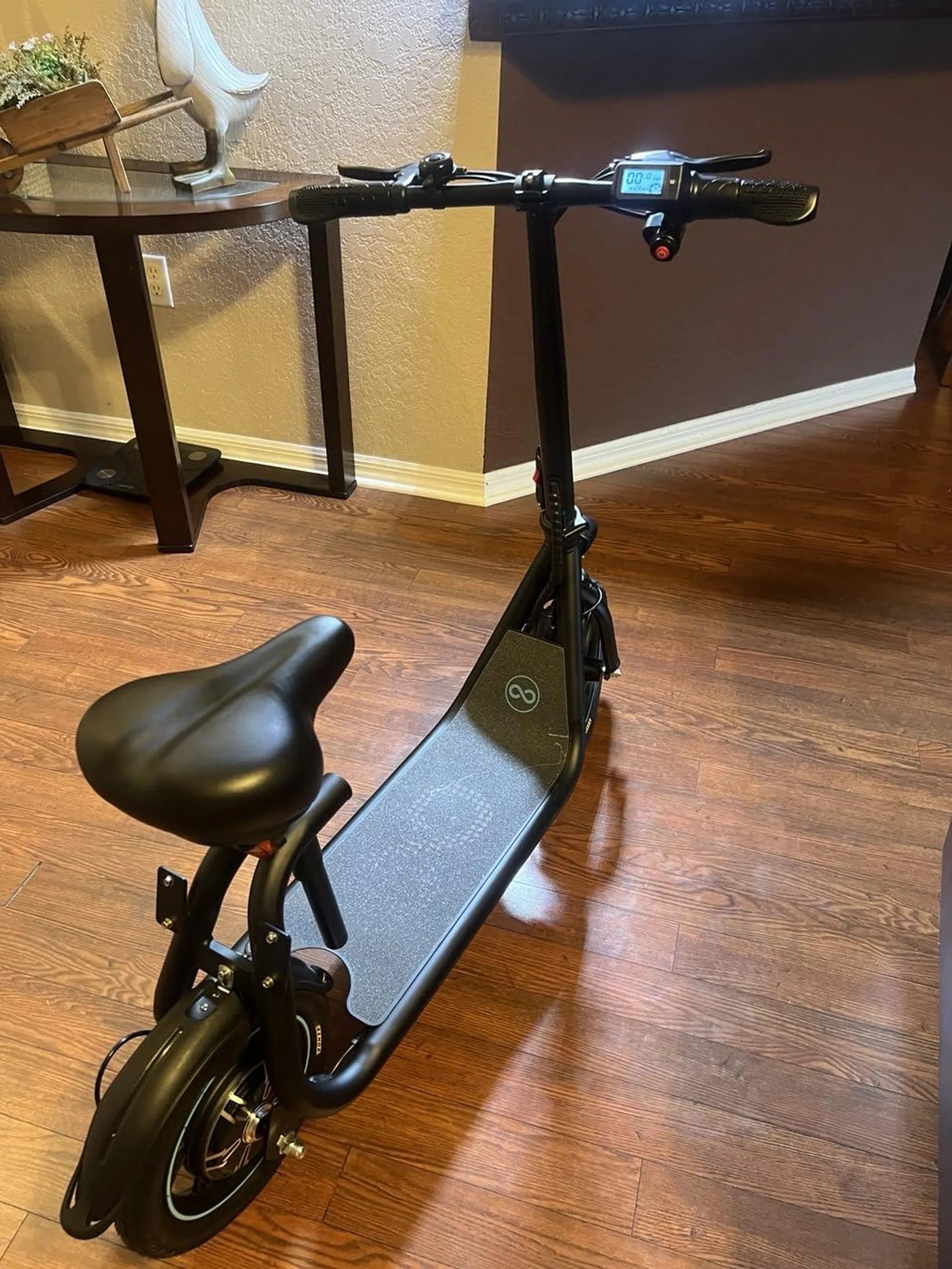
Electric scooters have become a popular mode of transportation, offering convenience, affordability, and eco-friendliness. But how long do they really last? The longevity of electric scooters depends on several factors, from battery care to maintenance habits. Whether you're a daily commuter or a casual rider, understanding these elements can help you get the most out of your scooter.
Factors Affecting the Longevity of Electric Scooters
The lifespan of an electric scooter is influenced by multiple components working together. Here are the most critical factors:
Battery Life and Care
The battery is the heart of an electric scooter, and its condition directly impacts longevity. Most modern scooters use lithium-ion batteries, which typically last between 300 to 500 charge cycles before significant degradation occurs. To maximize battery life:
- Avoid fully draining the battery before recharging.
- Store the scooter in a cool, dry place to prevent overheating.
- Charge the battery to around 80% for daily use, reserving full charges for long trips.
Motor Durability
The motor is another crucial component. Brushless motors are common in electric scooters due to their efficiency and durability. However, excessive strain from steep inclines or overloading can shorten their lifespan. To protect the motor:
- Avoid riding uphill at full throttle for extended periods.
- Keep the scooter within its recommended weight limit.
- Regularly check for unusual noises or vibrations that may indicate wear.
Tire Maintenance
Tires play a significant role in ride quality and longevity. Pneumatic (air-filled) tires offer better shock absorption but are prone to punctures, while solid tires require less maintenance but provide a rougher ride. To extend tire life:
- Maintain proper tire pressure for pneumatic tires.
- Inspect tires regularly for cuts or wear.
- Replace worn-out tires promptly to avoid further damage.
Maintenance Tips for Prolonging Electric Scooter Life
Regular maintenance can significantly extend the lifespan of your electric scooter. Follow these best practices:
Cleaning and Storage
Dirt and moisture can accelerate wear and corrosion. Clean your scooter regularly with a damp cloth and avoid using high-pressure water jets. Store it in a dry, temperature-controlled environment to prevent rust and battery damage.
Firmware and Software Updates
Many modern electric scooters come with firmware that can be updated to improve performance and efficiency. Check for updates periodically to ensure optimal operation.
Brake System Care
Brakes are essential for safety and longevity. Disc brakes require occasional adjustment, while drum and electronic brakes may need less frequent attention. Inspect brake pads and cables regularly to ensure smooth operation.
Common Mistakes That Reduce Electric Scooter Longevity
Even small mistakes can shorten your scooter's lifespan. Avoid these common pitfalls:
- Ignoring Warning Signs: Unusual noises, reduced range, or sluggish performance often indicate underlying issues.
- Overcharging the Battery: Leaving the scooter plugged in for extended periods can degrade battery health.
- Neglecting Regular Inspections: Small problems can escalate if not addressed early.
How to Assess When It's Time for a Replacement
Even with the best care, electric scooters won't last forever. Signs that it may be time for a replacement include:
- Severely reduced battery range (below 50% of original capacity).
- Frequent mechanical failures or costly repairs.
- Outdated technology that no longer meets your needs.
By understanding the factors that influence the longevity of electric scooters and adopting proper maintenance habits, you can enjoy years of reliable performance. Whether you're a seasoned rider or a newcomer, these tips will help you get the most out of your investment while ensuring a smooth and safe ride.
Highest Range Electric Scooter in World: The Future of Long-Distance Commuting
Best Budget Dual Motor Electric Scooter: Affordable Power for Commuters