

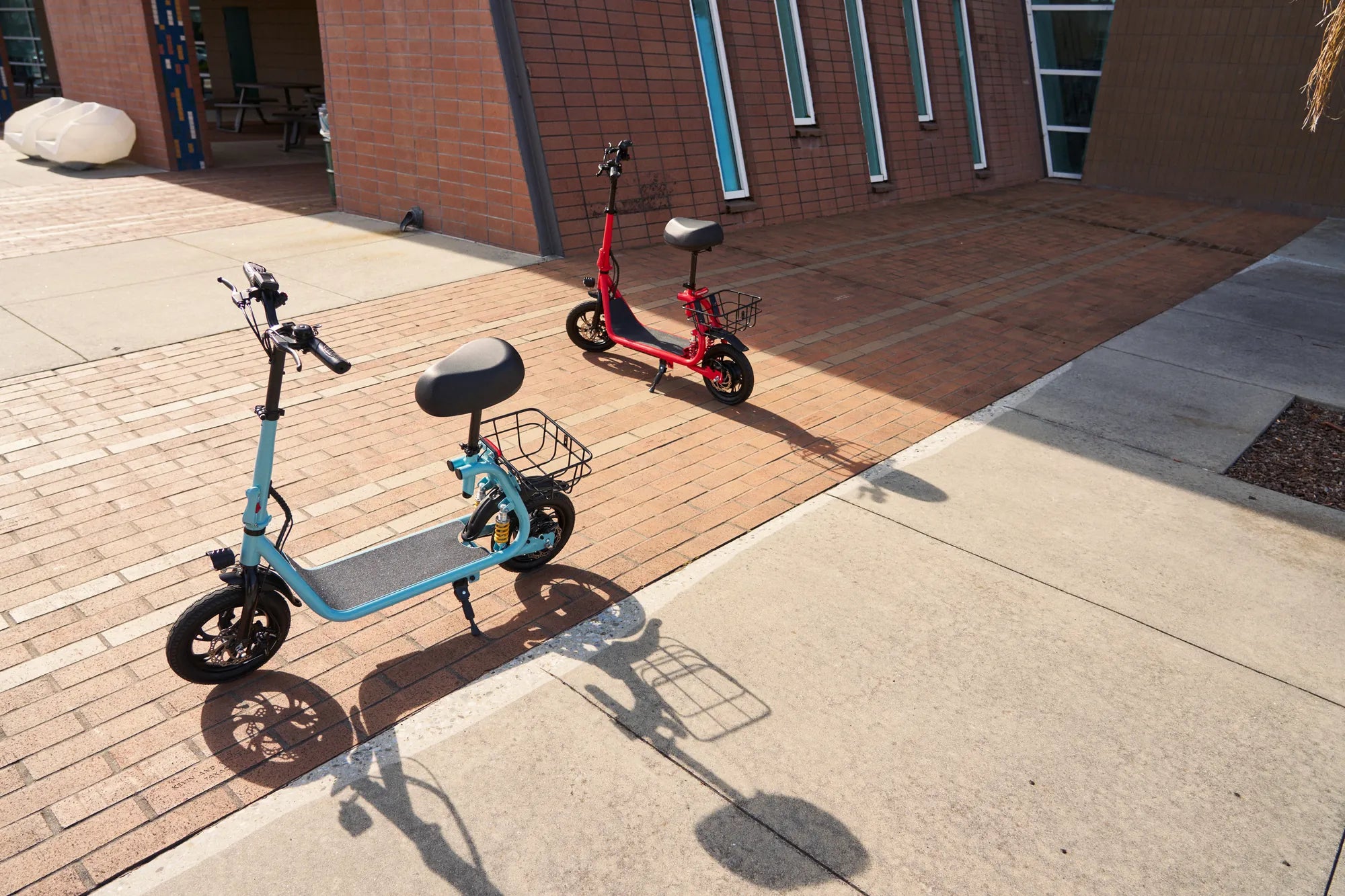
In today's fast-paced world, finding an affordable and eco-friendly mode of transportation can be a challenge, especially for those on a tight budget. Low income electric bikes are emerging as a game-changer, offering a cost-effective and sustainable alternative to traditional vehicles. Whether you're commuting to work, running errands, or simply exploring your city, these bikes provide a practical solution without breaking the bank.
Why Choose a Low Income Electric Bike?
Electric bikes have gained popularity in recent years, but their high price tags often put them out of reach for many. Low income electric bikes bridge this gap by offering the same benefits at a fraction of the cost. These bikes are designed with affordability in mind, without compromising on essential features like battery life, motor power, and durability.
Key Benefits of Low Income Electric Bikes
- Affordability: Significantly cheaper than cars or even public transportation over time.
- Eco-Friendly: Zero emissions, reducing your carbon footprint.
- Cost Savings: No fuel costs, low maintenance, and minimal insurance requirements.
- Convenience: Avoid traffic jams and parking hassles.
- Health Benefits: Combines pedal power with electric assistance for a light workout.
How to Find the Best Low Income Electric Bike
When shopping for a budget-friendly electric bike, it's important to consider several factors to ensure you get the best value for your money. Here are some tips to help you make an informed decision.
1. Set a Budget
Determine how much you're willing to spend and stick to it. While low income electric bikes are affordable, prices can still vary widely. Look for models that offer the best balance of features and cost.
2. Check Battery Life and Range
A good electric bike should have a battery that lasts long enough for your daily commute. Look for bikes with a range of at least 20-30 miles per charge.
3. Consider Motor Power
The motor's power affects the bike's performance, especially on hills. A motor with at least 250W is ideal for most urban commutes.
4. Look for Lightweight Frames
Lightweight frames make the bike easier to maneuver and carry, especially if you need to take it upstairs or on public transport.
5. Read Reviews and Compare
Before making a purchase, read customer reviews and compare different models to find the best fit for your needs.
Government and Community Programs
Many governments and non-profit organizations offer programs to make electric bikes more accessible to low-income individuals. These initiatives may include subsidies, grants, or financing options to help reduce the upfront cost. Research local programs in your area to see if you qualify for assistance.
Maintenance Tips for Longevity
To get the most out of your low income electric bike, regular maintenance is key. Here are some simple tips to keep your bike running smoothly:
- Keep the battery charged and avoid letting it drain completely.
- Regularly check tire pressure and brakes.
- Clean the bike after riding in wet or muddy conditions.
- Store the bike in a dry, sheltered place to protect it from the elements.
The Future of Low Income Electric Bikes
As technology advances and demand grows, low income electric bikes are expected to become even more affordable and efficient. Innovations in battery technology, lightweight materials, and motor efficiency will continue to drive down costs while improving performance. This makes electric bikes an increasingly viable option for budget-conscious commuters.
Ready to make the switch to a greener, more affordable way to get around? A low income electric bike could be the perfect solution for your transportation needs. With their combination of affordability, sustainability, and convenience, these bikes are transforming the way people commute—one pedal at a time.
Cheapest and Fastest Electric Bike: The Ultimate Guide to Affordable Speed
12V 4Ah Lithium Ion Battery for Bike: The Ultimate Power Solution for Your Ride