


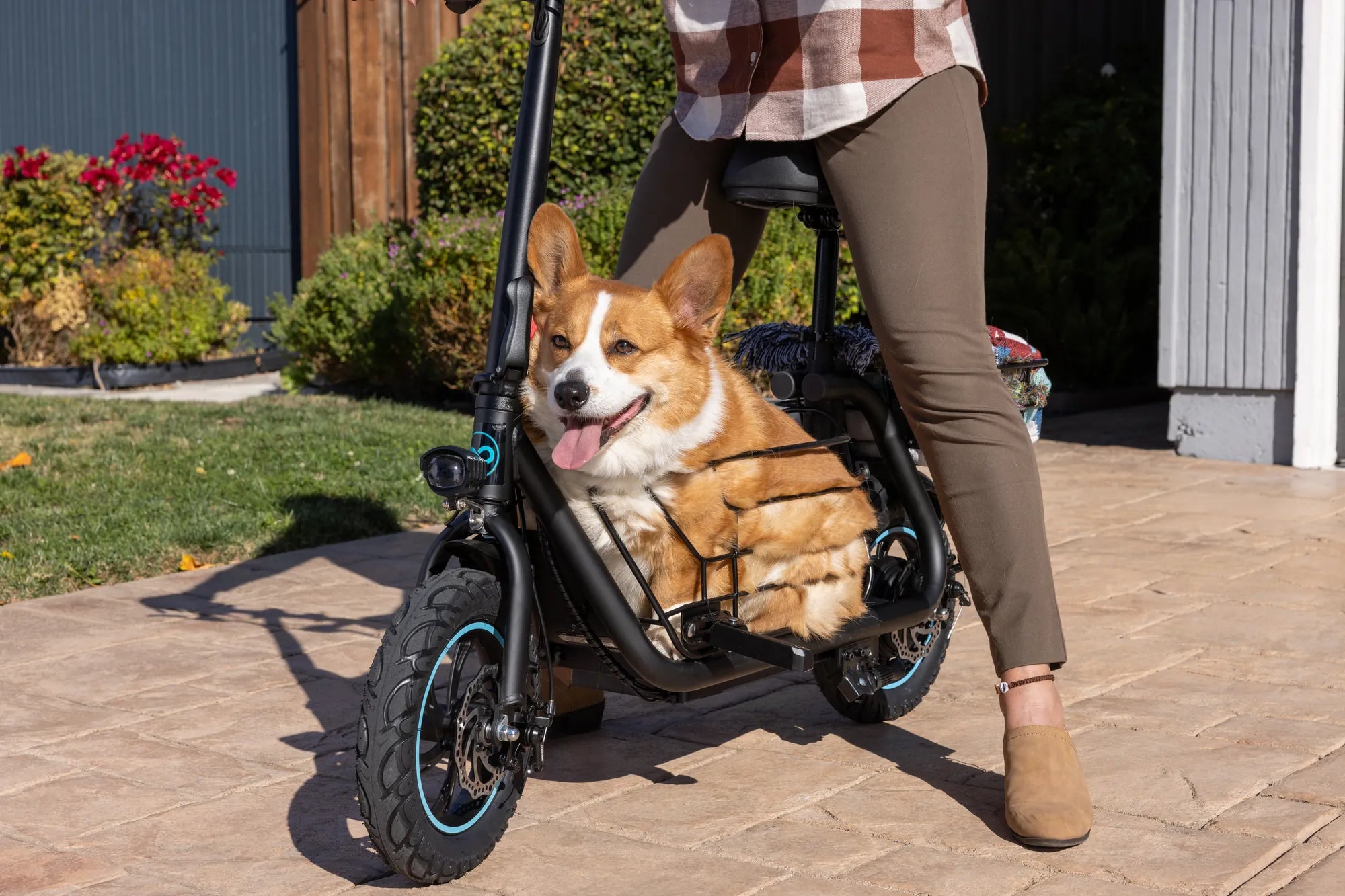
Introduction to the Low Rider Trike
A low rider trike is a three-wheeled personal electric vehicle characterized by a stable, low-slung chassis and a relaxed, seated riding position. This design philosophy prioritizes stability, style, and effortless comfort over the sporty, standing posture of a traditional e-scooter. Evolving from custom motorcycle culture, the modern electric low rider trike has emerged as a compelling solution for urban commuters and leisure riders seeking a confident, easy-to-master mode of transport.
You will learn how its unique engineering directly addresses common concerns like balance and fatigue. We will analyze its core components, the tangible benefits for different rider profiles, and the essential features to evaluate before purchasing. This guide provides the data-driven insights needed to determine if a low rider trike is the right investment for your mobility needs, comparing it objectively against other popular electric vehicles.
The Anatomy of a Modern Low Rider Trike: Stability Meets Technology
The defining feature of any low rider trike is its three-wheeled configuration, which creates a wide, stable base. This triangular footprint eliminates the need for dynamic balancing, making it inherently more stable at rest and at low speeds than any two-wheeled vehicle. The chassis is designed with a low center of gravity, often achieved by placing the battery pack low in the frame, further enhancing stability and handling.
The rider sits in a reclined or upright seated position on a padded saddle, similar to a bicycle but often with a lower seat height. This ergonomic design, combined with a step-through frame, allows for easy mounting and dismounting. The handlebars are typically within easy reach, promoting a comfortable, controlled posture that can be maintained for extended periods without strain.
Electric Powertrain and Performance
The heart of a modern low rider trike is its electric powertrain. A hub-mounted electric motor provides smooth, instantaneous torque from a standstill, which is ideal for navigating city intersections and gentle inclines. This quiet, emission-free operation makes it perfect for shared urban spaces and scenic pathways.
Typical motors for these vehicles range from 350W to 750W, offering top assisted speeds between 15 mph (24 km/h) and 20 mph (32 km/h), aligning with many regional regulations for personal mobility devices. The immediate power delivery and lack of gears create a uniquely simple and intuitive riding experience, distinct from the more physically engaged ride of a pedal-assist e-bike.
Frame, Ergonomics, and Rider Comfort
Ergonomics are paramount in low rider trike design. The frame geometry positions the rider in a natural, relaxed posture that minimizes pressure on the wrists, back, and shoulders. This is a significant departure from standing e-scooters, which can cause fatigue on longer journeys. The wide seat and stable platform allow riders to shift their weight comfortably.
This design philosophy extends to control and confidence. With no need to put a foot down at stops, riders can remain seated and stable in traffic. The easy step-through design is particularly advantageous for riders with limited mobility or those wearing various types of clothing, making the low rider trike a highly accessible form of personal transport.
Why Choose a Low Rider Trike? Key Benefits for Different Riders
The low rider trike is not a one-size-fits-all solution but excels in specific use cases where its core strengths are paramount. Data from rider surveys and market trends indicate its growing popularity among demographics that prioritize stability and comfort over portability and high-speed agility. Understanding these benefits helps match the vehicle to the rider's primary needs.
For many, the decision comes down to a simple trade-off: the unparalleled stability and ease of use of a trike versus the compact storage and nimbleness of a two-wheeler. The following sections break down the key beneficiary groups, providing a clear framework for evaluation.
For Urban Commuters: Navigating City Streets with Ease
For the urban commuter, a low rider trike transforms the daily grind. Its superior stability in stop-and-go traffic reduces rider stress, as you can remain comfortably seated at red lights without balancing. The seated position also elevates your profile slightly compared to a standing scooter rider, potentially improving visibility to other road users.
Practicality is enhanced by the stable platform. Adding a rear basket or panniers allows for secure transport of laptops, groceries, or work bags without affecting the vehicle's handling. The electric assist ensures you arrive at your destination without sweating, making it a reliable alternative to public transport or car travel for short to medium-distance commutes.
For Leisure & Recreational Riders: Comfort for Extended Exploration
Leisure riders find the low rider trike ideal for extended exploration of bike paths, boardwalks, and park trails. The ergonomic seating allows for hours of comfortable riding without the fatigue associated with standing scooters or the physical exertion of a traditional bicycle. It encourages a slower, more observant pace perfect for enjoying scenery.
This makes it an excellent choice for older adults, couples, or anyone who wants to cover more ground than walking allows but isn't seeking a strenuous workout. The stability inspires confidence on varied surfaces, from paved paths to hard-packed gravel, opening up a wider range of recreational routes.
For Riders Seeking Accessibility and Confidence
The low rider trike is a game-changer for individuals with balance concerns, mobility limitations, or those simply new to personal electric vehicles. The act of learning to ride is nearly instantaneous due to the inherent stability; the primary skill is learning to operate the controls, not maintain balance. This lowers the barrier to entry significantly.
This accessibility fosters confidence. Riders who may feel apprehensive on two wheels often report a profound sense of security and freedom on a trike. The low mounting height and step-through design are critical features that make personal electric mobility a viable and enjoyable option for a broader audience.
Critical Considerations Before You Buy: A Practical Checklist
Purchasing a low rider trike is an investment in a new form of mobility. Moving beyond marketing specifications to evaluate practical ownership factors is crucial for long-term satisfaction. This checklist focuses on safety, reliability, and real-world usability to guide your decision-making process.
Key considerations include the quality of core components, the veracity of performance claims, and the support offered by the manufacturer. Prioritizing these elements ensures you select a vehicle that is not only fun to ride but also safe, durable, and backed by reliable customer service.
Safety and Stability Features
Safety is intrinsically linked to the trike's stable design, but specific features are non-negotiable. Look for robust braking systems; hydraulic or mechanical disc brakes on at least the front two wheels provide controlled, reliable stopping power, which is essential for a heavier three-wheeled vehicle. Ensure the frame is constructed from high-tensile steel or aluminum alloy for durability.
Visibility is another critical safety component. Integrated front and rear LED lights, along with reflectors, are essential for riding in low-light conditions. Some models offer additional safety features like electronic braking systems (EBS) or anti-lock braking principles, which can further enhance control during sudden stops.
Battery Range, Certification, and Warranty
Advertised range is often based on ideal conditions. For a realistic estimate, consider that rider weight, terrain, temperature, and assist level usage can reduce the claimed range by 30-40%. A trike with a 500Wh battery claiming 25 miles may realistically achieve 15-18 miles for an average rider.
Battery safety is paramount. Insist on models that use UL-certified battery packs, which have undergone rigorous testing for safety, performance, and longevity, such as those used in Gyroor's lineup. A strong warranty is a key indicator of brand confidence; a comprehensive 1-year warranty on the vehicle, motor, and battery protects your investment and signals reliable post-purchase support.
Portability, Storage, and Weather Resistance
Acknowledge the trike's larger footprint. It is not designed for carrying onto public transport or fitting into a car trunk. Consider your storage space at home and work—does it require folding, and if so, is the mechanism manageable? Weight can range from 50 to 80 lbs, so moving it up stairs may require planning.
For daily utility, weather resistance is crucial. An IPX5 water-resistant rating means the trike can withstand water jets from any direction, allowing you to confidently ride through puddles and light rain without damaging electrical components. This feature is essential for a vehicle meant for regular commuting or recreational use in variable conditions.
Low Rider Trikes vs. Traditional E-Scooters & E-Bikes: Making the Right Choice
Choosing the right personal electric vehicle depends on matching its core attributes to your primary use case. The low rider trike occupies a unique niche, offering a distinct blend of features that differ significantly from both standing electric scooters and pedal-assist e-bikes. The following comparison provides a clear, at-a-glance analysis to guide your decision.
| Attribute | Low Rider Trike | Traditional E-Scooter | E-Bike |
|---|---|---|---|
| Primary Stability | Very High (3 wheels) | Moderate (2 wheels, requires balance) | High (2 wheels, but stable when moving) |
| Ease of Mounting/Dismounting | Very Easy (Step-through, seated) | Easy (Standing kick-off) | Moderate (Requires swinging leg over) |
| Rider Posture & Comfort | Seated, relaxed, low strain | Standing, can cause leg fatigue | Seated, traditional cycling posture |
| Portability & Storage | Low (Larger, heavier) | High (Often foldable, lightweight) | Low (Bulky, similar to bicycle) |
| Typical Primary Use Case | Leisurely commute, recreation, accessible riding | Agile last-mile commute, compact travel | Exercise-focused commute, longer-distance touring |
| Learning Curve | Very Low | Low to Moderate | Moderate (Requires basic cycling skill) |
As the table illustrates, the low rider trike is the superior choice when stability, easy access, and seated comfort are the highest priorities, especially for riders who may find balancing challenging. It sacrifices the portability of a scooter and the exercise potential of an e-bike to deliver a uniquely confident and relaxed riding experience.
Frequently Asked Questions (FAQ)
Q: Do I need a license, registration, or insurance to ride an electric low rider trike?
A: Regulations vary significantly by country, state, and municipality. In most regions of North America and Europe, electric low rider trikes with top speeds under 20 mph (32 km/h) and motor power under 750W are classified similarly to e-bikes or personal mobility devices, requiring no license, registration, or insurance. Always check your local laws before riding.
Q: Are low rider trikes difficult to maneuver compared to two-wheeled scooters?
A: They are different, not difficult. At low speeds, the turning radius is wider, requiring slightly more space for U-turns. However, at cruising speeds, they handle predictably. The key is to understand that you steer a trike more than you lean into turns. Most riders adapt to the handling within minutes, appreciating the stability it provides.
Q: Can a low rider trike handle hills?
A: Yes, but performance depends on motor power and torque. A 500W or 750W motor is generally capable of handling moderate inclines. Steeper hills will reduce speed and battery range more significantly than on flat ground. For hilly areas, prioritize a model with higher wattage and torque for better hill-climbing ability.
Q: Where is it legal to ride a low rider trike?
A: Generally, they are permitted wherever bicycles and e-scooters are allowed: bike lanes, multi-use paths, and roads with speed limits under 35 mph (unless prohibited). They are typically not allowed on sidewalks for pedestrian safety. Again, local ordinances are the final authority, so consult your city's transportation department.
Q: How do I maintain a low rider trike?
A: Maintenance is relatively simple. Regularly check tire pressure, ensure all bolts are tight, and keep the chain (if present) clean and lubricated. Wipe down the frame after wet rides. The most critical maintenance involves the battery: avoid complete discharges, store in a cool, dry place, and use only the provided charger to preserve its lifespan over 500+ charge cycles.
Conclusion: Finding Your Perfect Ride
The low rider trike represents a specialized segment of the personal electric vehicle market, engineered for those who value stability, comfort, and accessible riding above all else. It is the ideal choice for the urban commuter tired of balancing in traffic, the leisure rider seeking comfort for long explorations, or anyone desiring a confident and easy-to-master introduction to electric mobility.
Your perfect ride aligns with your primary use case. If the data-driven benefits outlined here resonate with your needs, prioritize models from reputable brands that emphasize safety certifications like UL for batteries, offer robust warranties, and feature practical designs with adequate weather resistance. This approach ensures a satisfying and reliable ownership experience for years to come.
To explore a range of reliable electric mobility solutions engineered with safety and performance in mind, browse the full Gyroor collection at gyroorboard.com. Discover vehicles built with UL-certified batteries, IPX5 water-resistant designs, and backed by a trusted 1-year warranty, trusted by over 100,000 riders.
Scooter Wheel Sizes: The Complete Guide to Diameter, Performance, and Your Perfect Ride
Minibike Trike: The Ultimate Guide to Three-Wheeled Electric Power