


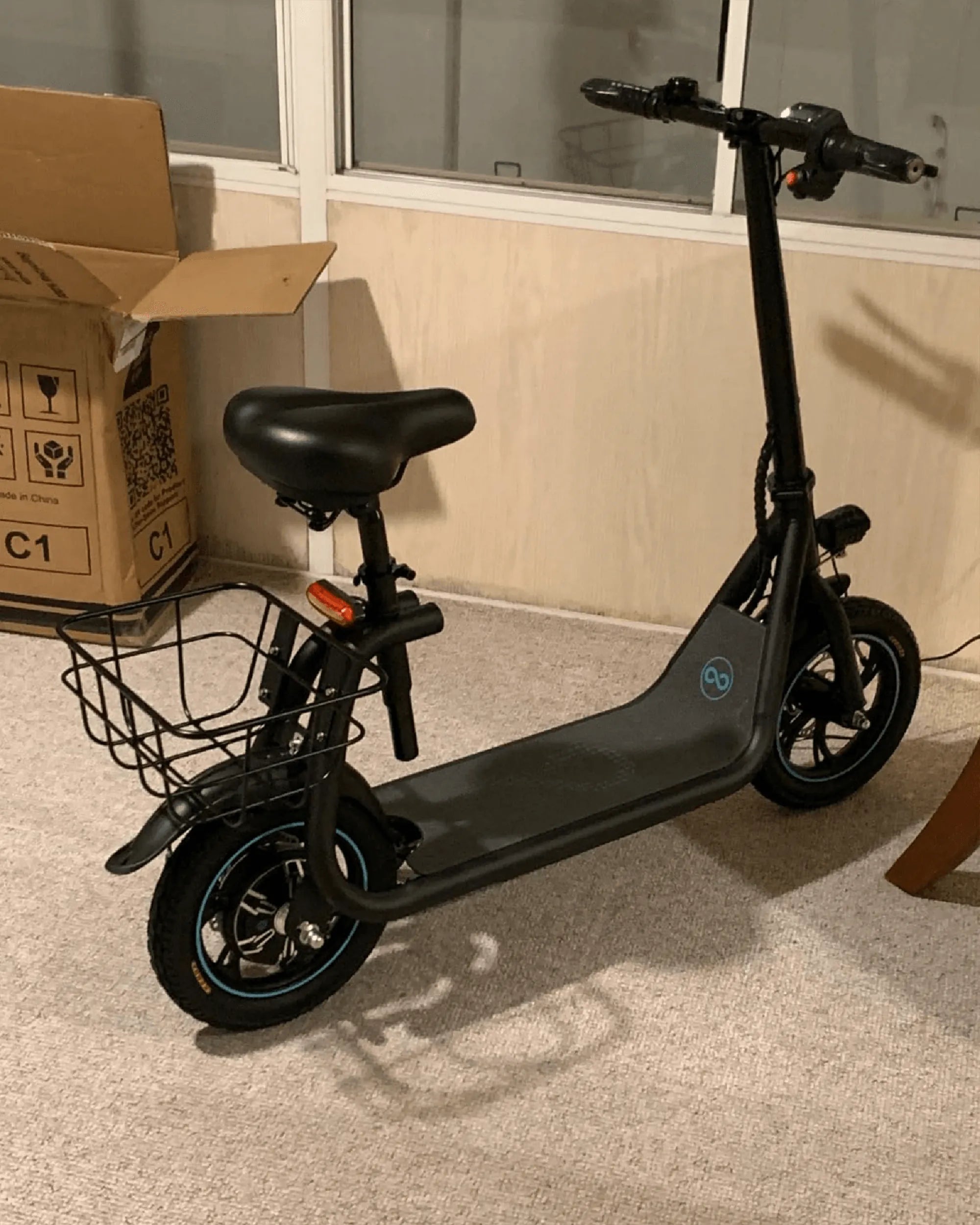
Electric bikes have revolutionized personal transportation, offering an eco-friendly and efficient way to commute, exercise, or simply enjoy the outdoors. At the heart of every ebike is its motor system, and the debate between mid drive vs hub drive ebike designs is one of the most critical decisions riders face. Whether you're a seasoned cyclist or new to the world of electric bikes, understanding these two motor configurations will help you make an informed choice that matches your riding needs.
Understanding the Basics: Mid Drive and Hub Drive Systems
Before diving into comparisons, let's clarify what sets these two systems apart. A hub drive ebike integrates the motor into either the front or rear wheel hub, directly powering the wheel's rotation. In contrast, a mid drive ebike positions the motor at the bike's crankset, transferring power through the chain and drivetrain.
This fundamental difference in placement creates distinct riding experiences, performance characteristics, and maintenance considerations that every potential ebike owner should understand.
Performance Comparison: Power Delivery and Efficiency
Mid Drive Advantages
Mid drive systems excel in several performance aspects:
- Better weight distribution: Central placement improves handling and stability
- Superior hill climbing: Leverages the bike's gears for optimal torque
- Higher efficiency: Maintains optimal power output across varying speeds
- Natural riding feel: Power delivery mimics traditional cycling
Hub Drive Benefits
Hub motors aren't without their advantages:
- Simpler operation: Direct power to the wheel means less complexity
- Lower maintenance: Fewer moving parts compared to mid drives
- Quieter operation: Typically produces less mechanical noise
- Cost-effective: Generally more affordable upfront
Terrain and Riding Style Considerations
Your typical riding environment plays a crucial role in determining which system suits you best. For hilly terrain or off-road riding, mid drive systems often prove superior due to their ability to utilize the bike's gears. The motor's torque works in harmony with your pedaling, making steep inclines more manageable.
Hub drives shine in flat urban environments where consistent speed is more valuable than variable torque. Their simple throttle operation makes them ideal for stop-and-go city commuting where you might want instant power without shifting gears.
Battery Efficiency and Range
Mid drive systems typically offer better energy efficiency, especially in varied terrain. By working through the bike's gears, the motor operates in its optimal RPM range more consistently, which can extend battery life by 10-20% compared to similar hub drive systems.
However, hub drives in flat conditions with consistent speeds can achieve comparable range figures, and their simpler power delivery system means less energy loss through drivetrain components.
Maintenance and Durability Factors
Mid drive systems place additional stress on the chain and drivetrain components, potentially leading to more frequent replacements. The sophisticated electronics and mechanical integration also mean specialized maintenance may be required.
Hub drives, by contrast, are largely self-contained units with minimal impact on other bike components. While they're not immune to wear, their simpler design typically translates to lower long-term maintenance costs.
Cost Comparison: Initial Investment vs Long-Term Value
The price difference between these systems can be significant. Mid drive ebikes generally command a premium of 20-40% over comparable hub drive models due to their complex engineering and performance benefits.
However, the total cost of ownership picture is more nuanced. Mid drives may offer better resale value and, for certain riders, the performance advantages may justify the higher initial cost.
Making Your Decision: Key Questions to Consider
To determine which system aligns with your needs, ask yourself:
- What type of terrain will I primarily ride on?
- Do I prioritize performance or simplicity?
- What's my budget for both purchase and maintenance?
- How important is bike handling and weight distribution to me?
- Will I be carrying heavy loads or towing?
The Future of Ebike Motor Technology
Both systems continue to evolve, with manufacturers improving efficiency, reducing weight, and enhancing integration. Recent advancements in direct drive hub motors and lightweight mid drive units are blurring the lines between these categories, offering riders more options than ever before.
As battery technology improves and motor designs become more sophisticated, the performance gap between these systems may narrow further, making the choice more about personal preference than technical limitations.
Whether you choose a mid drive or hub drive ebike ultimately depends on how and where you plan to ride. Mid drives offer the performance edge for challenging terrain and serious cyclists, while hub drives provide affordable, low-maintenance transportation for casual riders. Test ride both systems if possible, and let your riding experience guide your decision toward the electric bike that will bring you the most joy on every journey.
150cc Motor Scooter: The Ultimate Guide to Power, Efficiency, and Style
Entry Level Commuter Bike: The Ultimate Guide for Beginners