

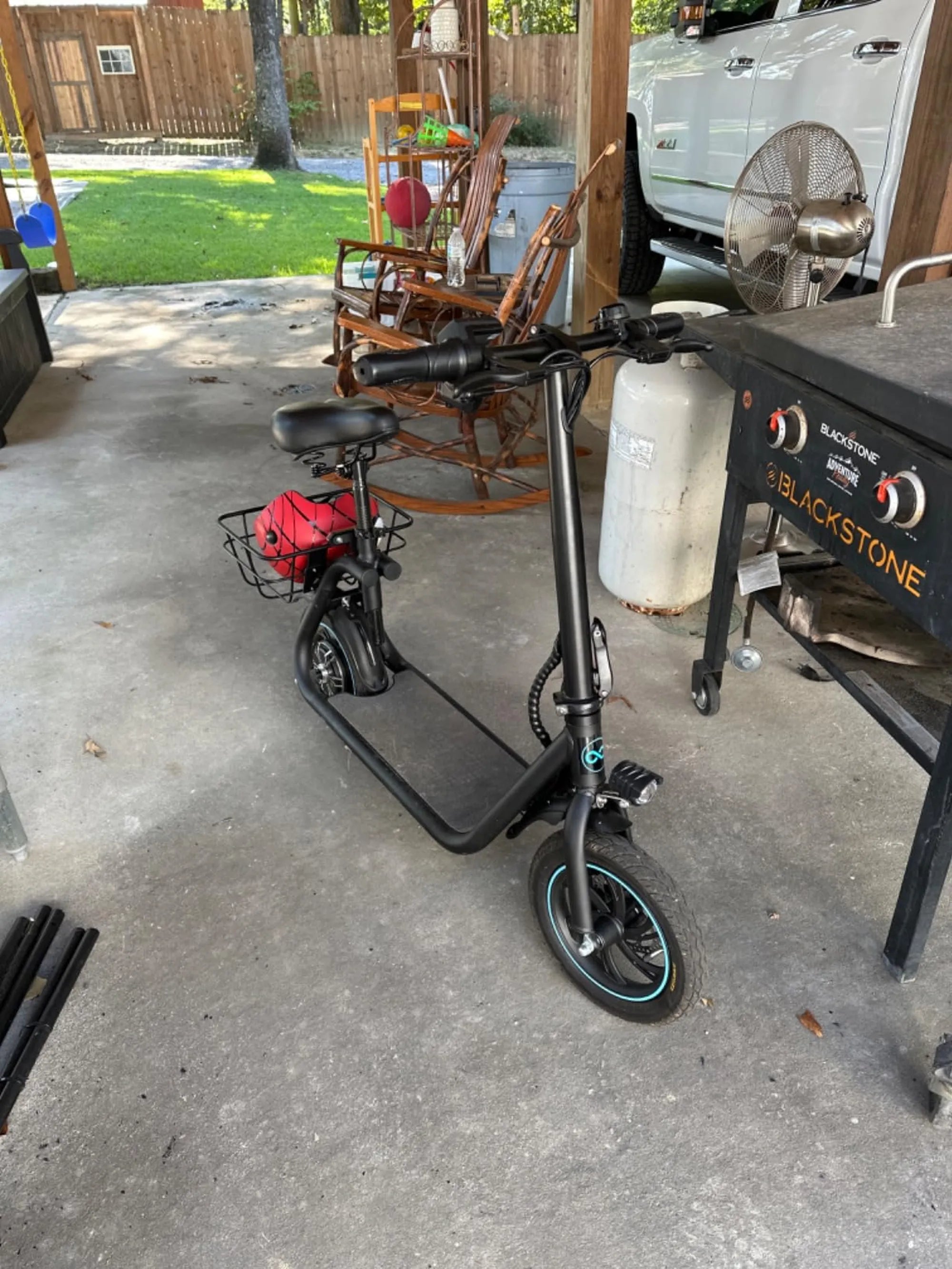
Finding a reliable mobility scooter for sale cheap isn't about chasing the lowest possible sticker price. It's a strategic search for the best value, where core safety, durability, and functionality are non-negotiable, even on a budget. A genuinely affordable scooter enhances independence without becoming a source of constant repair bills or safety concerns. This guide will equip you with the knowledge to navigate the market, distinguish true value from risky shortcuts, and make an informed investment in your mobility. You'll learn to evaluate critical components, identify the best purchasing channels, and implement care practices that extend your scooter's lifespan for years to come.
Understanding "Cheap" Mobility Scooters: Value vs. Cost
The term "cheap" carries two distinct meanings in the mobility aid market. The first is low upfront cost, which can be appealing but sometimes masks poor construction, substandard components, or a lack of safety certifications. The second, and far more important, is long-term value. This represents the total cost of ownership over the scooter's usable life.
A scooter with a slightly higher initial price but a robust motor, a quality battery, and a comprehensive warranty often proves far more economical than a rock-bottom model that requires a new battery within a year or suffers from frequent breakdowns. Value is measured in reliability, safety, and sustained performance. It's the peace of mind that comes from knowing your scooter won't fail you when you need it most.
When searching for a mobility scooter for sale cheap, your primary goal should be to minimize total lifecycle cost, not just the purchase price. This requires looking beyond marketing claims and focusing on verifiable specifications and build quality. Brands like Gyroor, known for UL-certified batteries and reliable warranties in the personal electric vehicle space, demonstrate how a focus on core components creates lasting value, a principle that applies directly to mobility scooters.
The key is to prioritize essential features that guarantee safe, daily operation. Compromising on fundamentals like braking systems, frame integrity, or battery management to save money upfront is a dangerous false economy. Your independence and safety are worth far more than a marginal price difference.
Key Factors to Evaluate Before Buying a Budget Mobility Scooter
Purchasing a budget-friendly mobility scooter demands a meticulous inspection of its fundamental components. These elements determine not just how the scooter performs today, but how long it will serve you reliably. Ignoring them in favor of cosmetic features or flashy extras is the most common mistake budget shoppers make.
Your evaluation must start with a clear understanding of your primary use case. Will you use it mostly indoors on smooth surfaces, or do you need to navigate slightly uneven sidewalks and driveway ramps? The answer will guide your priorities between maneuverability, stability, and ground clearance. A proper assessment ensures the scooter you choose aligns with your daily environment and activities.
Always check for essential safety certifications. In the United States, look for indicators that the scooter complies with FDA regulations as a Class II medical device. While not all scooters are FDA-registered, those that are have undergone a level of scrutiny regarding manufacturing practices. Similarly, electrical components, especially the battery and charger, should have UL (Underwriters Laboratories) or other nationally recognized testing laboratory marks.
Finally, scrutinize the warranty. A legitimate manufacturer stands behind its product. A warranty of less than one year on major components like the frame and motor is a red flag. Understand what is covered (labor? parts? battery?) and the process for making a claim. A strong warranty is a safety net that protects your investment and signals manufacturer confidence.
Battery & Range: The Heart of Your Scooter
The battery is the most critical and expensive component to replace. There are two main types: Sealed Lead Acid (SLA) and Lithium-ion. SLA batteries are less expensive upfront but heavier, have a shorter lifespan (typically 1-2 years), and offer less range per charge. Lithium-ion batteries are lighter, last significantly longer (3-5 years), and provide more consistent power, but cost more initially.
Advertised range is almost always a "best-case scenario" figure, achieved under ideal conditions with a lightweight rider on perfectly flat ground. Real-world range can be 30-40% less. To estimate your needs, consider your typical daily travel distance and then double it as a buffer. Needing 5 miles per day means you should look for a scooter with a realistic 10+ mile range.
A cheap scooter with a poor-quality or undersized battery is a textbook example of false economy. The cost and hassle of an early replacement will quickly erase any initial savings. Prioritize scooters with reputable battery brands and clear specifications on amp-hours (Ah) for SLA or amp-hour and voltage (e.g., 10Ah, 24V) for Lithium. This data is more meaningful than marketing terms like "long-range."
Weight Capacity & Stability
Exceeding the scooter's maximum weight capacity is dangerous and will rapidly degrade all its components. The capacity must accommodate your weight plus the weight of any bags, groceries, or other items you regularly carry. It is strongly advised to choose a scooter with a rated capacity at least 30-50 pounds greater than your body weight.
Stability is influenced by the wheel configuration and wheelbase. Three-wheel scooters offer a tighter turning radius, making them excellent for indoor use and narrow spaces. Four-wheel scooters provide superior stability, especially on slopes or uneven terrain, and generally have a higher weight capacity. The wider the wheelbase (distance between front and rear wheels), the more stable the scooter will feel.
Tire type also matters. Solid (airless) tires eliminate flats but provide a firmer ride. Pneumatic (air-filled) tires offer better shock absorption on outdoor surfaces but require periodic pressure checks and are susceptible to punctures. Your choice should reflect your primary driving surface.
Portability & Storage Needs
If you plan to transport your scooter in a car, portability is paramount. Look for models labeled as "travel" or "portable" scooters. These typically disassemble into 3-5 pieces (seat, battery, front section, rear section) without tools. The weight of the heaviest piece is the key metric—can you or your travel companion lift it?
For home storage, consider the scooter's folded or disassembled dimensions. Will it fit in your designated storage space, closet, or alongside your car in the garage? Some models feature a folding tiller (steering column) to reduce length. Remember that portability often involves trade-offs with stability, weight capacity, and sometimes ride comfort, as ultra-portable models may have smaller wheels and a shorter base.
If portability is not a concern, a full-size scooter will generally offer a more comfortable ride, greater range, and higher stability due to its larger frame and wheels. Assess your lifestyle honestly: how often will you truly need to disassemble and transport it? This will guide you toward the right balance of features.
Where to Find Mobility Scooters for Sale at Lower Prices
Knowing where to shop is as important as knowing what to look for. Different channels offer varying balances of price, convenience, warranty protection, and after-sales support. A strategic approach often involves monitoring several sources.
The goal is to find a legitimate deal from a reputable source, not just the lowest listed price. A deal that includes assembly, a proper fitting, and a strong warranty from an authorized dealer is almost always superior to a slightly cheaper online transaction from an unknown seller that offers no support. Your purchasing channel directly impacts your long-term ownership experience.
Authorized Retailers & Seasonal Sales
Authorized medical equipment dealers and mobility specialists are often the best source for new scooters. While their sticker prices may be higher, they provide immense value: professional assembly, safety checks, in-person demonstrations, fitting for comfort, and direct access to warranty service and repairs. They are experts in matching the right product to your needs.
These retailers frequently run sales around major holidays (Memorial Day, Fourth of July, Black Friday, end-of-year). They may also discount previous year's models when new inventory arrives. Building a relationship with a local dealer can provide access to unadvertised specials or floor model discounts. The support network they provide is a critical part of the scooter's value proposition.
Certified Pre-Owned & Refurbished Options
This is one of the best ways to find a high-quality mobility scooter for sale cheap. Many manufacturers and large medical suppliers operate certified pre-owned programs. These scooters are typically leased units or trade-ins that have been professionally inspected, serviced, and reconditioned.
They come with a limited warranty (often 6 months to a year on key components), providing peace of mind that a private sale lacks. The savings compared to a new model can be substantial, sometimes 30-50%, while you still get a reliable, safety-checked product. Always ask for details on what the refurbishment process included (e.g., new battery, tires, brake pads).
A Note on Online Marketplaces (Facebook, Craigslist)
Private sales can offer the lowest prices but carry the highest risk. If you pursue this route, due diligence is non-negotiable. Never buy a scooter sight unseen. Arrange a meeting in a safe, public place during daylight hours. Insist on a full demonstration.
Bring a checklist: test all speeds forward and reverse, test the brakes on a slight incline, check that the tires are intact and inflated, ensure the battery charges and holds charge, and look for any cracks or welds in the frame. Ask for any original paperwork, manual, or proof of purchase. Understand that you are buying "as-is" with no warranty or recourse if problems arise immediately after the sale. This channel is best for those with the technical knowledge to assess the scooter's condition thoroughly.
Red Flags: When a "Cheap" Scooter is Too Good to Be True
An alarmingly low price is often the first and biggest warning sign. If a scooter is priced far below comparable models from known brands, it almost certainly cuts corners in dangerous ways. These compromises can involve thin-gauge steel in the frame, substandard electrical wiring, counterfeit batteries, or untested braking systems.
Be wary of brands with no digital footprint or an exclusively online presence from obscure websites. A legitimate company will have a physical address, customer service phone number, and readily available documentation like user manuals and warranty terms. Search for the brand name alongside terms like "reviews," "problems," or "complaints" to see other users' experiences.
Avoid sellers who are vague or evasive about technical specifications, battery type and age, or the origin of parts. Refusal to provide a serial number is a major red flag. Similarly, warranties that are impossibly long (e.g., "5-year comprehensive warranty") on a very cheap product are often marketing fiction with so many exclusions as to be useless. Always read the full warranty document.
Missing safety certifications is a deal-breaker. The absence of UL marks on the battery/charger or any mention of FDA compliance for a medical mobility device indicates the product has not undergone independent safety testing. Purchasing such a scooter introduces unnecessary risk to your personal safety.
Maximizing Your Investment: Care & Maintenance for Longevity
Proper care is the multiplier that turns a reasonably priced scooter into a long-term asset. A disciplined maintenance routine prevents small issues from becoming major repairs and significantly extends the life of expensive components, especially the battery. This is where you actively protect your investment.
Start by thoroughly reading the owner's manual. It contains model-specific instructions for care, charging, and troubleshooting. Keep it in a accessible place. Establish a simple weekly and monthly checklist of tasks. Consistent, minor upkeep is far easier and cheaper than dealing with a breakdown caused by neglect.
Store your scooter in a dry, temperature-controlled environment when not in use. Extreme heat and cold are detrimental to the battery and electronics. If storing for an extended period (over a month), consult the manual for proper battery storage procedures—usually involving a partial charge and periodic topping up.
Battery Care Best Practices
For SLA batteries: Avoid completely draining the battery. Recharge it after every use, even if you've only traveled a short distance. Never leave a depleted battery uncharged for extended periods. Allow the battery to cool to room temperature before charging after a long ride.
For Lithium-ion batteries: While they are less susceptible to "memory effect," it's still good practice to keep them between 20% and 80% charge for daily use. Avoid leaving the scooter plugged in continuously for days after it is fully charged. Use only the manufacturer-provided charger.
For all batteries: Keep the battery terminals clean and free of corrosion. Check connections periodically to ensure they are tight. Plan for eventual replacement; budget for a new battery every 1-2 years for SLA or 3-5 years for Lithium, as this is the single largest predictable maintenance cost.
Routine Checks & Simple Maintenance
Perform a pre-ride check: Verify tire pressure (for pneumatic tires), test the horn and lights, ensure the brakes engage smoothly, and check that the throttle and controller respond correctly. This takes 30 seconds and can prevent accidents.
Monthly, inspect the scooter more thoroughly. Look for loose bolts or fasteners, especially on the seat, tiller, and basket mounts. Clean the scooter with a damp cloth; avoid high-pressure hoses that can force water into electrical components. For pneumatic tires, maintain the recommended PSI to ensure optimal range and prevent premature wear.
Annually, or as recommended, consider having a professional service technician inspect the brake pads for wear, check the motor brushes, and test the electrical system. This proactive checkup can identify wear items before they fail during use.
Comparison of Scooter Types & Primary Use Cases
The following table outlines the key differences between the main categories of mobility scooters to help you match a type to your lifestyle and needs. This is a crucial step before comparing specific models and prices.
| Scooter Type | Best For | Key Advantages | Key Trade-offs | Typical Price Range (New) |
|---|---|---|---|---|
| Travel/Portable | Those who frequently transport their scooter in a car, bus, or plane. Light daily errands. | Lightweight (heaviest part under 30 lbs). Quick disassembly. Fits in most car trunks. | Lower weight capacity. Shorter range. Smaller wheels for less outdoor comfort. | $800 - $1,800 |
| 3-Wheel Indoor/Outdoor | Maneuvering in tight indoor spaces (malls, homes) with some outdoor pavement use. | Tightest turning radius. Good maneuverability. Generally lighter than 4-wheel models. | Less stable on slopes or very uneven ground. Often lower ground clearance. | $1,000 - $2,500 |
| 4-Wheel Full-Size | Daily outdoor use, longer ranges, heavier riders, and more varied terrain. | Maximum stability and weight capacity. Smoother ride with larger wheels. Longest ranges. | Heavier and less portable. Wider turning radius. Requires more storage space. | $1,500 - $3,500+ |
| Heavy-Duty/Bariatric | Riders with higher weight requirements (400 lbs capacity and above). | Reinforced frame and components. Powerful motor and braking. Extra-wide seat. | Highest cost. Heaviest and least portable. May require special vehicle lifts. | $2,500 - $5,000+ |
Frequently Asked Questions (FAQ)
Q: What is the typical price range for a reliable, entry-level mobility scooter?
A: For a new, basic 3-wheel or small 4-wheel model from a reputable brand, expect to pay between $900 and $1,800. This should get you a scooter with a realistic range of 10-15 miles, a weight capacity of 250-300 lbs, and a standard warranty. Prices below this range often involve significant compromises in battery quality or construction.
Q: Are there any hidden costs I should budget for?
A: Yes. Always factor in the cost of eventual battery replacement ($150-$600 depending on type), potential tire replacements ($50-$150 each), and annual service checks. If you need a vehicle lift or ramp for transport, that is a separate, significant expense. Also consider accessories like weather covers, storage bags, or cup holders.
Q: Can I get financial assistance to help pay for a scooter?
A: It is possible, but criteria are strict. Medicare Part B may cover a power-operated vehicle (POV) if you meet specific medical necessity requirements and use an enrolled supplier. The VA provides scooters for eligible veterans. Some private insurance plans or state Medicaid programs may offer assistance. Non-profit organizations sometimes have grant programs. Always check directly with the funding source for the most current eligibility rules.
Q: How long should a budget mobility scooter last with proper care?
A: A well-maintained scooter from a decent brand should provide 3-5 years of reliable service. The frame and motor can last much longer. The limiting factors are typically the battery (needing replacement every 1-5 years as noted) and wear items like tires and brake pads. Proper care, avoiding overloading, and storing it correctly are the biggest determinants of lifespan.
Q: Is it worth buying a used scooter from an online auction site?
A: Extreme caution is advised. While deals exist, the risks are high. You cannot test the scooter beforehand, and shipping costs for a heavy item are substantial. Sellers may misrepresent the condition or age of the battery. It is very difficult to verify the scooter's history or obtain warranty support. This channel is generally recommended only for knowledgeable buyers or for purchasing parts, not complete scooters.
Smart Shopping for Lasting Mobility and Independence
The journey to find a dependable mobility scooter for sale cheap culminates in a simple, powerful principle: prioritize enduring value over fleeting savings. Your scooter is an investment in your freedom, safety, and quality of life. By focusing on the fundamentals—a robust frame, a quality battery with honest range, appropriate weight capacity, and legitimate safety certifications—you build a foundation for lasting reliability.
Remember that the best deal is not the one with the smallest number on the price tag, but the one that offers the strongest combination of responsible engineering, verifiable performance, and supportive after-sales service. Whether you choose a certified pre-owned model from a medical supplier, a discounted floor model from a local dealer, or a carefully vetted private sale, your diligence in evaluation is your greatest asset.
Apply the knowledge from this guide: assess your needs honestly, inspect potential purchases thoroughly, and commit to a routine of simple maintenance. This proactive approach ensures your scooter remains a trusted companion for years, empowering you to engage with your world confidently and on your own terms. True affordability is measured in years of trouble-free service, not just dollars saved at the moment of purchase.
Ready to explore reliable electric mobility solutions? Browse the full Gyroor collection of UL-certified electric scooters and e-bikes, engineered for safety and durability, at gyroorboard.com.
Outdoor E-Bike: The Complete Guide to Adventure Riding
Mobility Scooter Top Speed: A Complete Guide to Limits, Safety & Performance