


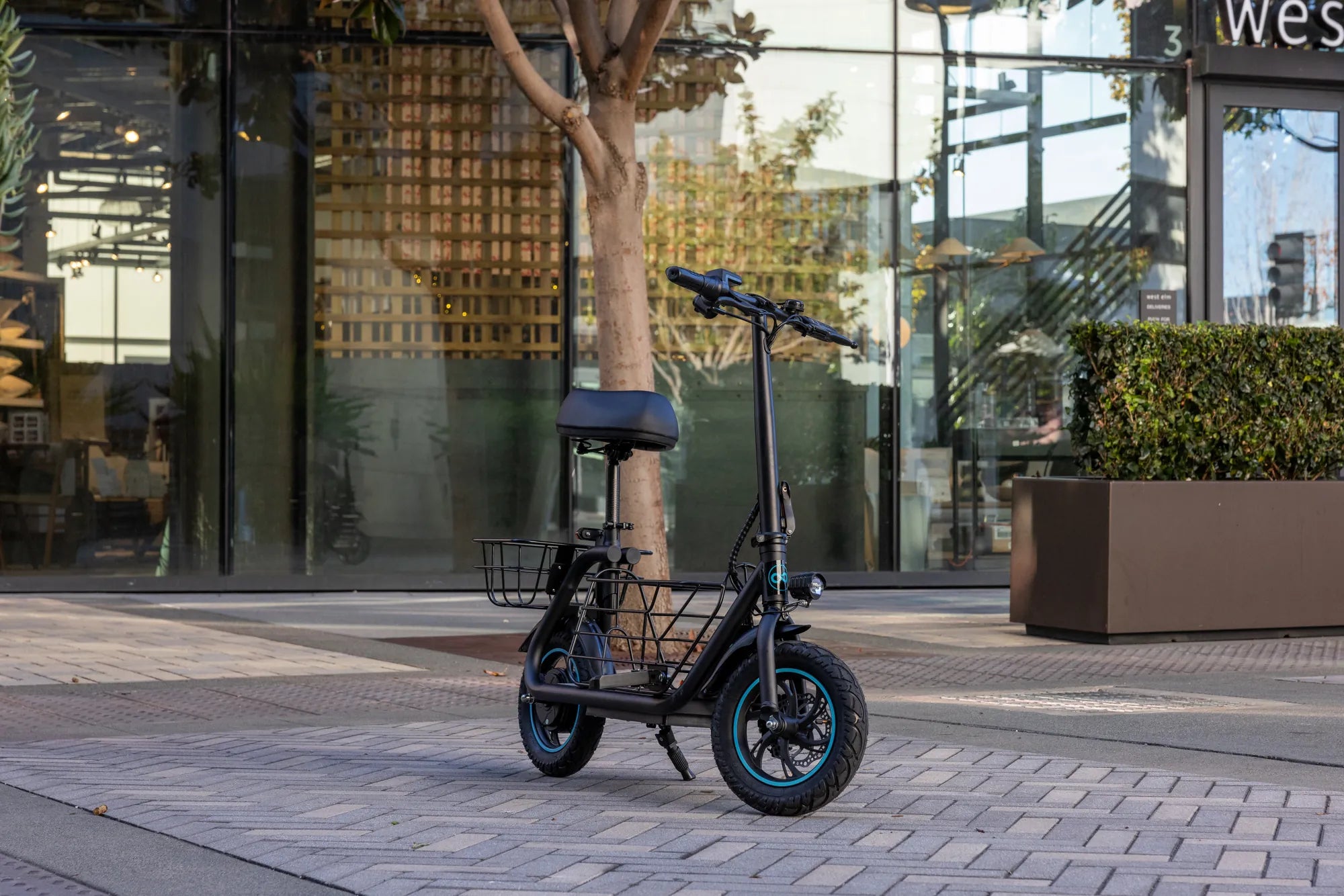
When it comes to mobility scooters, the front wheels play a crucial role in ensuring a smooth and safe ride. Whether you're navigating tight corners or rough terrain, the quality and condition of your front wheels can make all the difference. In this comprehensive guide, we'll explore everything you need to know about mobility scooter front wheels, from their essential features to maintenance tips that will keep you rolling effortlessly.
Why Mobility Scooter Front Wheels Matter
The front wheels of a mobility scooter are responsible for steering and stability. Unlike rear wheels, which primarily provide propulsion, front wheels determine how easily you can maneuver your scooter. Poorly maintained or low-quality front wheels can lead to uneven wear, reduced control, and even accidents. Understanding the importance of these components is the first step to ensuring a safer and more comfortable ride.
Key Features of Mobility Scooter Front Wheels
Not all front wheels are created equal. Here are some essential features to consider:
- Size and Diameter: Larger wheels provide better stability and can handle rough surfaces more effectively.
- Tire Type: Solid tires are puncture-proof but may offer less cushioning, while pneumatic tires provide a smoother ride but require regular inflation.
- Material: Durable materials like polyurethane or rubber ensure longevity and better traction.
- Swivel Mechanism: Some front wheels feature a swivel design for tighter turning radiuses, ideal for indoor use.
Common Issues with Mobility Scooter Front Wheels
Even the best front wheels can encounter problems over time. Some common issues include:
- Uneven Wear: Often caused by misalignment or improper inflation.
- Steering Difficulties: Worn-out bearings or damaged swivel mechanisms can make steering cumbersome.
- Vibrations: Loose fittings or imbalanced wheels can create uncomfortable vibrations during rides.
How to Maintain Your Mobility Scooter Front Wheels
Regular maintenance can extend the life of your front wheels and improve performance. Follow these tips:
- Check Tire Pressure: If your scooter has pneumatic tires, ensure they are properly inflated to the manufacturer's recommended levels.
- Inspect for Wear: Look for cracks, bald spots, or uneven tread wear, and replace tires as needed.
- Clean Regularly: Dirt and debris can accumulate in the wheel mechanisms, so clean them with a damp cloth and mild detergent.
- Lubricate Moving Parts: Apply lubricant to swivel joints and bearings to prevent stiffness and ensure smooth operation.
When to Replace Your Front Wheels
Even with proper care, front wheels will eventually need replacement. Signs it's time for new wheels include:
- Excessive Wear: Visible cracks, flat spots, or significantly reduced tread depth.
- Persistent Steering Issues: If adjustments and lubrication don't resolve steering problems, the wheels may be beyond repair.
- Unusual Noises: Squeaking, grinding, or clicking sounds often indicate worn-out components.
Your mobility scooter's front wheels are the unsung heroes of your daily rides. By understanding their role, choosing the right features, and keeping up with maintenance, you can enjoy smoother, safer, and more reliable mobility for years to come. Don't wait until a problem arises—take proactive steps today to ensure your scooter performs at its best!
Is It Illegal to Ride an Electric Dirt Bike on the Road? What You Need to Know
Cheapest Electric Bike 2025: The Ultimate Budget-Friendly Commuter Guide