

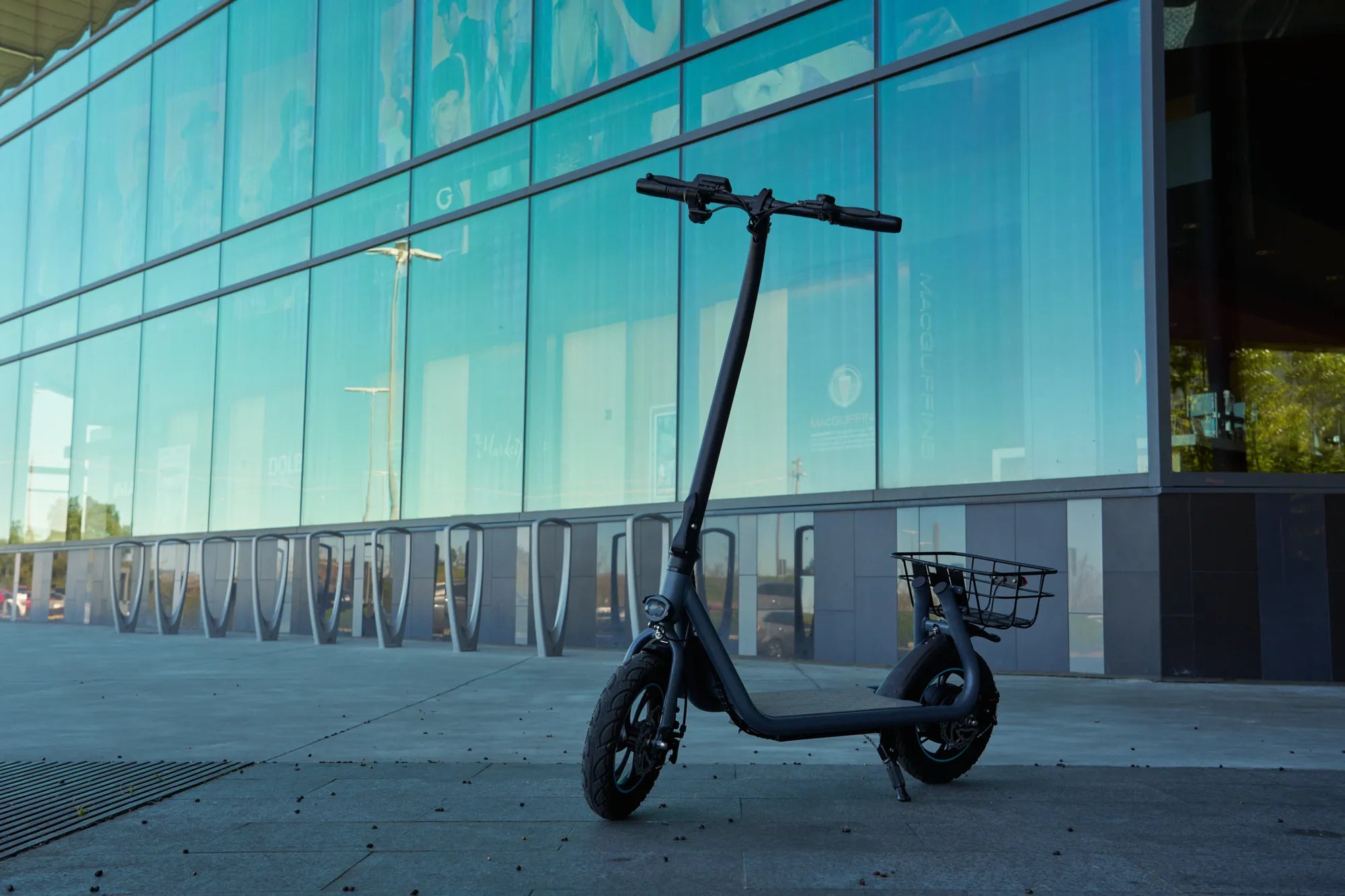
Imagine cruising down a motorway on your mobility scooter, the wind in your hair, and the open road ahead. While this might sound exhilarating, the reality is far more complicated—and dangerous. Mobility scooters are not designed for high-speed motorway travel, and using them in such environments can pose serious risks. This article dives into the legalities, safety concerns, and practical alternatives for those who rely on mobility scooters but need to navigate fast-paced roads.
Understanding the Legal Restrictions
In most countries, mobility scooters are classified as pedestrian aids rather than vehicles. This means they are not permitted on motorways, where speeds exceed 60 mph (97 km/h) and traffic flows at a relentless pace. The law explicitly prohibits their use on these high-speed roads due to the obvious dangers they present to both the rider and other motorists.
Why Motorways Are Unsuitable for Mobility Scooters
Mobility scooters typically have a top speed of 8 mph (13 km/h), making them ill-suited for motorway travel. Their small size and low visibility increase the risk of accidents, especially when surrounded by fast-moving vehicles. Additionally, motorways lack the infrastructure—such as pedestrian crossings or sidewalks—that mobility scooter users rely on for safe navigation.
Safety Risks for Riders and Other Road Users
Riding a mobility scooter on a motorway is not just illegal; it’s incredibly hazardous. The speed differential between scooters and cars creates a high risk of rear-end collisions. Poor visibility, especially at night or in bad weather, further compounds the danger. Even a minor accident at motorway speeds could have catastrophic consequences.
Alternatives to Motorway Travel
For those who need to travel long distances, public transport or accessible taxis are far safer options. Many buses and trains are equipped to accommodate mobility scooters, ensuring a smooth and stress-free journey. Planning your route in advance can help you avoid motorways altogether, sticking to quieter roads or dedicated cycle paths where scooters are permitted.
What to Do If You Accidentally Enter a Motorway
If you find yourself on a motorway unintentionally, stay calm and move to the hard shoulder immediately. Use your scooter’s lights or reflective panels to increase visibility, and call for assistance. Never attempt to cross lanes or exit the motorway on your own—wait for help to arrive.
Advocating for Better Infrastructure
While motorways are off-limits, there’s a growing need for better infrastructure to support mobility scooter users. Dedicated lanes, improved signage, and public awareness campaigns can help create a safer environment for all road users. Pushing for these changes can make a real difference in the lives of those who depend on mobility aids.
Using a mobility scooter on a motorway is a recipe for disaster, but that doesn’t mean you’re out of options. By understanding the risks, exploring alternatives, and advocating for better infrastructure, you can stay mobile without compromising safety. The open road might be calling, but it’s best to answer that call on routes designed for your scooter’s capabilities.
Mountain Biking Trails in TN: The Ultimate Guide to Thrilling Rides
Birthplace of Mountain Biking: The Untold Story of a Global Phenomenon