

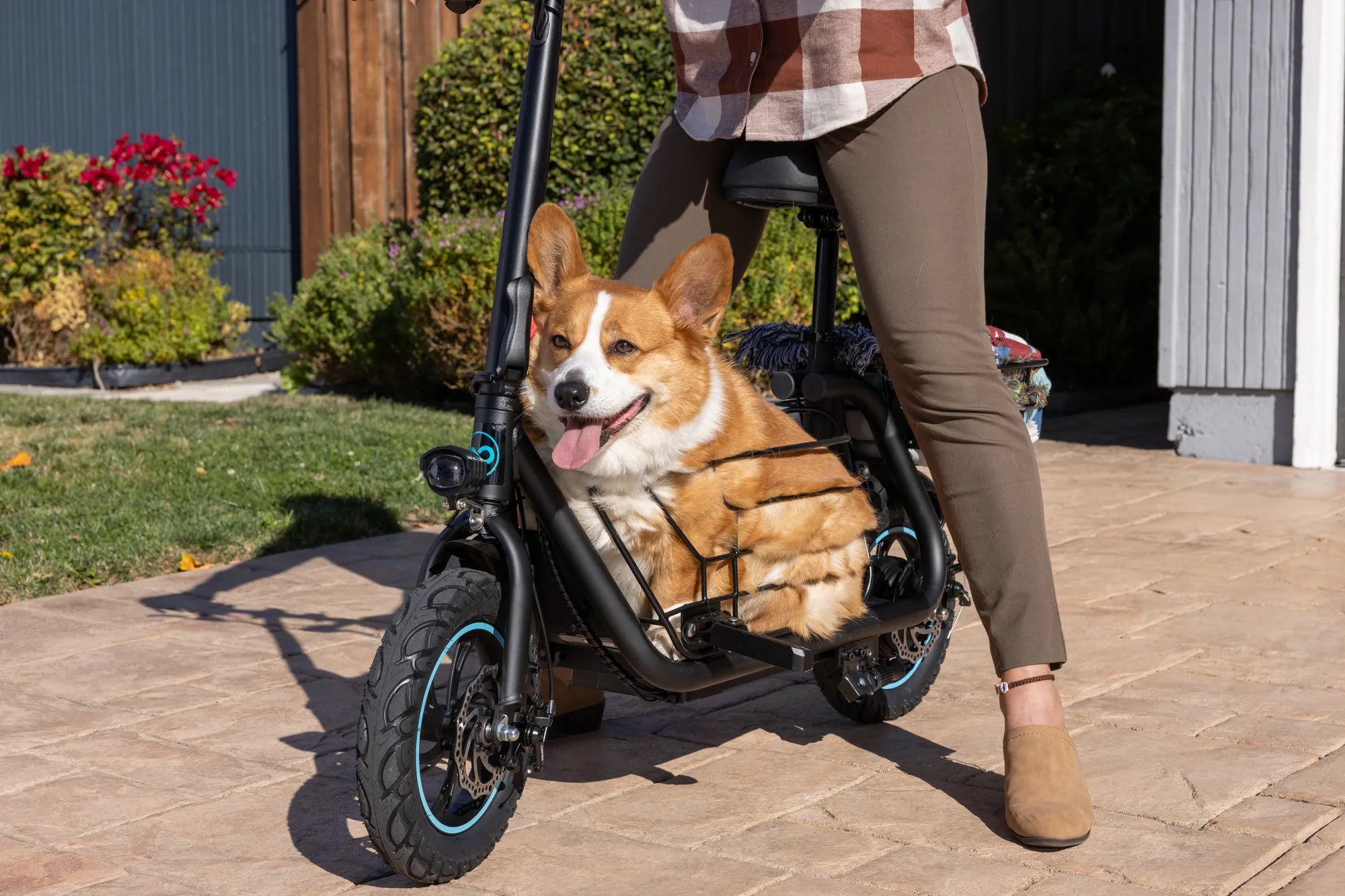
Your mobility scooter is a vital tool for independence, but its reliability hinges on the quality of its components and the care it receives. Understanding mobility scooter parts and accessories is not just about repairs; it's about proactive maintenance, safety, and personalization. This guide provides a data-driven, practical roadmap for sourcing, maintaining, and upgrading your scooter, whether you own a Gyroor model or another trusted brand. You'll learn to identify wear, choose compatible parts, and select accessories that enhance safety and convenience, ensuring your scooter supports your freedom for years to come.
Introduction to Mobility Scooter Maintenance and Customization
Regular maintenance and strategic customization are the cornerstones of scooter longevity and user safety. A well-maintained scooter is less likely to suffer catastrophic failures that could strand the user or cause an accident. Investing in quality mobility scooter parts and accessories directly translates to predictable performance and sustained independence.
Beyond basic upkeep, accessories allow you to tailor the scooter to your specific environment and needs. From enhanced lighting for evening rides to storage solutions for daily errands, the right add-ons transform a standard scooter into a personalized mobility solution. This guide will navigate you through both realms, emphasizing safety, compatibility, and smart sourcing.
Essential Replacement Parts: Keeping Your Scooter Roadworthy
Critical components degrade over time and require replacement to maintain safety and performance. Using substandard or incompatible parts can compromise the entire system. Always prioritize manufacturer-recommended or rigorously vetted components, especially for the following systems.
Batteries: The Heart of Your Scooter's Power
The battery is the most crucial and frequently replaced component. Most modern scooters use either Sealed Lead-Acid (SLA) or Lithium-Ion batteries. SLA batteries are cost-effective but heavier and offer a shorter lifespan (typically 1-2 years). Lithium-Ion batteries, like those used in Gyroor scooters, are lighter, last longer (3-5 years), and maintain a more consistent voltage output.
Signs of battery failure include dramatically reduced range, failure to hold a full charge, or the scooter struggling on inclines. For safety, always replace with a battery that matches the original's voltage (e.g., 12V, 24V, 48V) and amp-hour (Ah) rating. Using UL-certified battery packs, as standard in Gyroor products, ensures rigorous testing for over 500 charge cycles and protection against overcharge, short-circuit, and thermal runaway.
Tires and Tubes: Traction and Stability
Tires are your only contact with the ground, making their condition paramount. There are three main types: pneumatic (air-filled), solid (airless), and foam-filled. Pneumatic tires offer the smoothest ride but are susceptible to punctures. Solid tires are puncture-proof but provide a firmer ride. Foam-filled are a middle-ground, offering some cushioning without air.
Check tires monthly for cracks, uneven wear, or loss of tread. Worn tires reduce traction and stability, especially on wet surfaces. Replacement requires matching the exact diameter and width (e.g., 8" x 2"). Always ensure the new tire's load rating meets or exceeds the scooter's maximum weight capacity.
Controllers, Motors, and Throttles
These components form the scooter's "central nervous system." The controller regulates power from the battery to the motor based on throttle input. Symptoms of failure include jerky acceleration, complete loss of power, or the motor running uncontrollably.
Diagnosing issues here often requires a professional. Swapping a controller or motor is not a simple plug-and-play task; it requires electrical knowledge and compatibility with the scooter's voltage and software. Throttles, whether thumb-lever or twist-grip, can wear out and become unresponsive. Replacing these is generally simpler but still requires ensuring the connector type matches the controller.
Must-Have Accessories for Safety and Convenience
Accessories are not mere luxuries; they are practical tools that expand your scooter's functionality and your safety margin. The right accessories can make daily travel more comfortable, secure, and efficient.
Visibility and Lighting Upgrades
Built-in lights are often minimal. Enhancing visibility is critical for safety. Adding bright LED headlights or strip lights to the frame improves your view of the path ahead. Attaching red LED taillights and reflective tape to the rear and sides makes you conspicuous to drivers from all angles.
A tall safety flag, often in bright orange or yellow with reflective strips, increases your profile significantly, especially at intersections or in parking lots. These upgrades are relatively inexpensive and easy to install, offering a high return on safety investment.
Storage Solutions: Baskets, Bags, and Carriers
Carrying personal items, groceries, or medical supplies requires secure storage. Front-mounted wire baskets are popular for easy access but can affect steering balance if overloaded. Under-seat bags offer discreet, balanced storage without altering the scooter's center of gravity.
For larger loads, rear-mounted cargo carriers or waterproof bags that attach to the frame are excellent options. When selecting storage, consider the weight limit and how it attaches to ensure it doesn't interfere with the scooter's mechanics or your ability to dismount safely.
Comfort and Protection Add-ons
Longer rides demand comfort. Gel or memory foam seat cushions can reduce pressure points and fatigue. Similarly, padded armrest covers improve comfort. For weather protection, a canopy or umbrella holder provides shade, while a full-body rain poncho keeps you dry.
A durable, waterproof storage cover is essential for protecting your scooter from dust, rain, and sun damage when parked outdoors. These covers extend the life of the upholstery and electrical components by shielding them from UV degradation and moisture.
Performance and Customization Upgrades
For users seeking to optimize their scooter's capabilities or personalize its look, a range of upgrades exists. However, performance modifications must be approached with extreme caution to avoid compromising safety and voiding warranties.
Range Extenders and Battery Upgrades
Range anxiety is common. Auxiliary battery packs, wired in parallel with the main battery, can extend travel distance by 30-50%. This is a significant upgrade but requires careful consideration. The added battery must match the system voltage precisely and be securely mounted to avoid shifting weight.
It is crucial to consult the scooter manufacturer or a qualified technician before attempting this upgrade. Incorrect installation can damage the controller and pose a fire risk. Brands like Gyroor design their battery systems with safety as a core principle, using UL-certified cells and integrated Battery Management Systems (BMS), making them reliable foundations for any upgrade path.
Custom Seats, Cushions, and Armrests
Ergonomics are key to comfort. Upgrading to a contouring, high-back seat with lumbar support can dramatically improve posture and reduce back strain on long journeys. Adjustable or wider armrests provide better support.
When selecting a custom seat, ensure the mounting hardware is compatible with your scooter's seat post or base plate. Proper installation is vital to ensure the seat is secure and does not wobble, which could lead to instability while riding.
Sourcing Parts & Accessories: A Buyer's Guide
Finding the right component involves more than a simple web search. Safety, compatibility, and seller reputation are the most important factors. Here’s a practical framework for making informed purchases.
OEM vs. Third-Party: Understanding Compatibility
Original Equipment Manufacturer (OEM) parts are made by or for your scooter's brand. They guarantee perfect fit and performance but can be more expensive. Third-party or universal parts are often cheaper and more widely available.
The rule of thumb: for critical, safety-related components like batteries, controllers, and motor assemblies, strongly prefer OEM or highly reputable third-party brands with proven compatibility. For non-critical items like baskets, covers, or certain lights, quality third-party options are often perfectly suitable.
Trusted Retailers and What to Look For
Purchase from established retailers, whether online or local mobility shops. Key indicators of a trustworthy seller include detailed compatibility charts, clear product specifications, robust customer service, and a meaningful warranty. A one-year warranty on parts is a strong sign of manufacturer confidence.
Brands that sell directly to consumers, like Gyroor, offer the advantage of genuine parts, direct technical support, and warranties that are straightforward to claim. With over 100,000 riders served, such brands build their reputation on reliable after-sales support and certified components.
Installation Tips: DIY vs. Professional Service
Knowing when to DIY and when to call a pro is crucial for safety and cost-effectiveness. Simple accessory installations—attaching a basket, installing a flag, or putting on a cover—are well within most users' capabilities with basic tools.
However, tasks involving the electrical system (battery, controller, motor, wiring), brake adjustments, or structural components should be performed by a certified mobility scooter technician. They have the tools, diagnostic equipment, and expertise to ensure the repair is safe and correct. Attempting complex repairs yourself can lead to further damage, injury, and voided warranties.
Comparison of Key Mobility Scooter Components
| Component | OEM Part | High-Quality Third-Party | Considerations |
|---|---|---|---|
| Battery | Guaranteed compatibility, full warranty support, often with safety certs (UL). | May offer higher capacity or lower cost; must match voltage/Ah exactly. | Safety is paramount. UL certification (like Gyroor's) is a key indicator of quality. Incorrect specs can damage scooter. |
| Tire Set | Perfect fit for model, correct ply rating for load. | Wide variety (pneumatic/solid); must match exact size (e.g., 10" x 3"). | Check load rating. Solid tires trade ride comfort for puncture resistance. |
| Lighting Kit | Plugs directly into existing harness; matched brightness to system. | More options (LED strips, brighter outputs); may require separate wiring. | Ensure added draw doesn't overload electrical system. Easy DIY install for most. |
| Storage Basket | Designed for specific frame; secure attachment points. | Often universal clamp-on; more size/style options. | Check weight limit. Ensure it doesn't impede steering or access to controls. |
Frequently Asked Questions (FAQ)
How often should I replace my mobility scooter battery?
Battery lifespan depends on type and usage. A typical Sealed Lead-Acid (SLA) battery lasts 1-2 years with daily use, while a quality Lithium-Ion battery, like those in Gyroor scooters, can last 3-5 years. Proper charging habits—avoiding complete discharges and not leaving the battery depleted for long periods—are the best ways to maximize lifespan.
Are universal tires safe for my specific scooter model?
Universal tires can be safe if you meticulously match three specifications: the outer diameter (e.g., 8 inches), the width (e.g., 2.5 inches), and the load rating (ply rating). The load rating must meet or exceed your scooter's maximum weight capacity. Always consult your owner's manual for the exact tire specifications before purchasing.
Can I install a speed potentiometer to make my scooter faster?
We strongly advise against modifying the speed controller or installing "speed chips." Doing so can overstress the motor, controller, and brakes, leading to premature failure and creating serious safety hazards. It will almost certainly void your warranty and may make the scooter illegal to use on public paths due to local speed regulations.
Where can I find the model number to order the correct parts?
The model and serial number are typically on a metal or plastic plate located under the seat, on the frame near the battery compartment, or on the rear frame. This information is essential for ordering compatible parts. Always have this number ready when contacting a parts supplier or technician.
What is the most important accessory for safety?
While all safety accessories are beneficial, enhanced lighting and reflectivity are arguably the most critical for users who ride near traffic or in low-light conditions. Making yourself highly visible to drivers, cyclists, and pedestrians is the most effective way to prevent collisions.
Conclusion: Investing in Reliability and Independence
Your mobility scooter is an investment in your freedom and quality of life. Proactively maintaining it with quality parts and thoughtfully selecting accessories that match your lifestyle protects that investment. Choosing components from reputable sources that prioritize safety certifications—like UL for batteries and IPX ratings for water resistance—ensures peace of mind with every journey.
Whether you need a reliable replacement battery, a new set of tires, or a simple storage basket, prioritizing compatibility and quality over initial cost leads to greater long-term satisfaction and safety. For riders who value this engineering-first approach, exploring a brand built on these principles is a logical next step. Discover scooters designed with durability, certified safety, and user-centric features in mind. Browse the full Gyroor collection at gyroorboard.com to see mobility solutions engineered for reliability.
Ebike 750 Watt Motor: The Power Sweet Spot for Commuters & Adventurers
What Is the Legal Watts for an Ebike? A Complete Global Guide