


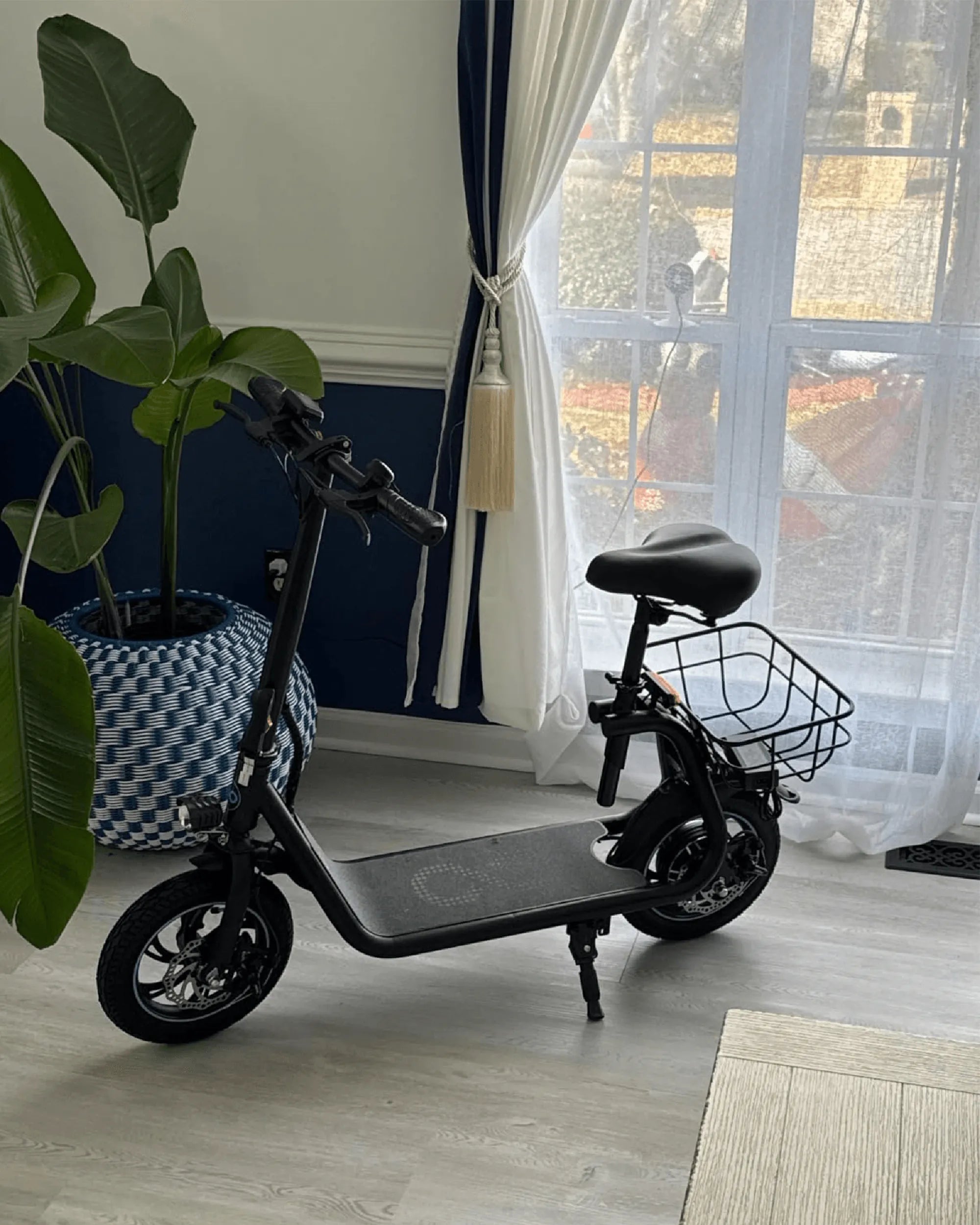
Introduction to Affordable Mobility Scooters
Regaining independence and navigating your community shouldn't require a prohibitive investment. A capable mobility scooter under $1,000 represents a significant gateway to freedom for many. This guide cuts through the noise to show you how modern engineering and strategic design make reliable, safe scooters accessible at this budget.
We will explore the key features you must prioritize, compare the different types of scooters available, and provide a practical checklist for your purchase. The goal is to equip you with the knowledge to find a scooter that offers durability and performance without compromising on essential safety standards.
Brands like Gyroor have demonstrated that value-driven engineering can deliver peace of mind. With a focus on UL-certified batteries and robust construction, they prove that a mobility scooter under $1,000 can be a trustworthy companion for daily errands and social visits.
Key Features to Prioritize When Budget is Under $1,000
At this price point, strategic prioritization is crucial. You must identify which features are non-negotiable for your safety and daily needs, and understand where sensible compromises can be made. The core pillars should always be battery reliability, structural integrity, and adequate performance for your intended use.
Focus on verified specifications from the manufacturer, not just marketing claims. A lower price should not mean vague details about battery chemistry or frame construction. Transparency in these areas is a strong indicator of a reputable product.
Battery Life and Range: Setting Realistic Expectations
Range is the most critical specification for a mobility scooter under $1,000. Expect realistic ranges between 10 to 20 miles on a single charge under ideal conditions. Factors like rider weight, terrain, and frequent stops will reduce this number. Always plan for a range buffer.
Battery type is a major differentiator. Sealed Lead-Acid (SLA) batteries are common in budget models and are heavier with a shorter lifespan. Lithium-ion batteries are lighter, last longer, and charge faster but may push the price higher. Gyroor utilizes UL-certified lithium battery packs, ensuring safety through rigorous testing for over 500 charge cycles.
Charging times vary from 4 to 8 hours. A smart charger that prevents overcharging is a valuable feature that protects your investment. Remember, the battery is the heart of the scooter; opting for a model with a reputable, safety-certified battery is paramount.
Portability and Weight Capacity: Finding the Right Fit
Your physical needs dictate this choice. Weight capacity for scooters in this category typically ranges from 250 to 300 pounds. It is essential to choose a scooter rated for at least 30-50 pounds more than your weight to account for clothing, bags, or groceries.
Portability involves a trade-off. Lightweight, foldable or disassemblable travel scooters are ideal if you need to lift it into a car trunk. Full-size scooters offer more stability and comfort but are heavier and may require a ramp or lift for transport. Consider where and how you will use the scooter most often.
The scooter's own weight is a key figure. A travel model may weigh around 50-70 pounds, while a full-size model can be 100+ pounds. Verify if the disassembly process is something you can manage independently or if you will need assistance.
Safety and Build Quality: Non-Negotiables
Safety cannot be compromised. The frame must be made of welded steel or high-grade aluminum to ensure rigidity. Inspect the scooter's base width and wheel configuration; a wider base and three or four wheels provide inherent stability and reduce tipping risk.
Braking systems are vital. Look for a combination of electromagnetic (electronic) brakes and mechanical disc or drum brakes. This dual-system provides redundancy; if one fails, the other can still stop the scooter. Anti-tip wheels at the rear are another essential safety feature.
Durability for real-world use is a must. An IPX5 water-resistance rating, like those found on Gyroor models, means the scooter can withstand water jets from any direction. This protects the electronics from rain, puddles, and accidental spills, significantly extending the scooter's lifespan.
Comparing Mobility Scooter Types Under $1,000
Understanding the three main categories of scooters available within this budget will help you match a model to your lifestyle. Each type has distinct advantages and ideal use cases, from compact travel to robust outdoor navigation.
| Type | Best For | Typical Weight | Key Pros | Key Cons |
|---|---|---|---|---|
| Travel/Portable | Frequent car transport, air travel (check airline policies), compact storage. | 50-75 lbs | Lightweight, often foldable, easy to disassemble. | Smaller wheels (6-8"), less ground clearance, shorter range. |
| Mid-Size/3-Wheel | Indoor/outdoor use, shopping, navigating narrower spaces. | 80-110 lbs | Tighter turning radius, good maneuverability, stable platform. | Can be less stable on very uneven terrain than 4-wheel models. |
| Full-Size/4-Wheel | Outdoor use, longer distances, varied terrain. | 100+ lbs | Maximum stability, larger wheels, often higher weight capacity. | Heavier, less portable, may exceed budget unless on sale. |
Travel/Portable Scooters
These are the champions of portability. Designed to be disassembled into several pieces or folded, they can fit into most car trunks. They are perfect for individuals who are active and need to take their scooter to the mall, on vacation, or to medical appointments.
The trade-off for portability is often seen in wheel size and suspension. Smaller wheels (typically 6 to 8 inches) are more sensitive to bumps and cracks in the pavement. The ride may be firmer, and ground clearance is lower, making them best suited for smooth, paved surfaces.
If your primary need is a scooter that you can load and unload yourself for errands around town, a well-built portable mobility scooter under $1,000 is an excellent solution. Look for models with a simple, tool-free disassembly mechanism.
Mid-Size/3-Wheel Scooters
This is arguably the most popular and versatile category. The three-wheel configuration, with two wheels in the rear and one in front, provides a tight turning radius. This makes navigating crowded grocery store aisles, sidewalks, and doorways remarkably easy.
These scooters offer a great balance between indoor maneuverability and outdoor capability. They usually feature 8 to 10-inch wheels, providing a smoother ride over minor imperfections than travel scooters. They are stable on gentle slopes and paved pathways.
For users who need a primary scooter for both home use and community trips, a mid-size three-wheel model is frequently the optimal choice. It provides a stable platform and sufficient range without the bulk and weight of a full-size model.
Full-Size/4-Wheel Scooters
Four-wheel scooters are the SUVs of the mobility world. The additional wheel provides superior stability, especially on uneven ground, gentle grassy slopes, or gravel paths. They are designed for users who spend more time outdoors and need to cover longer distances confidently.
Finding a new full-size mobility scooter under $1,000 can be challenging, but it is possible during sales events or with certain value-focused brands. These models often have the highest weight capacities and the largest batteries, supporting longer ranges.
The downside is portability. They are heavy and rarely disassemble easily, often requiring a wheelchair ramp or vehicle lift for transport. If your primary use is cruising around your neighborhood or park and you have a way to transport it, a 4-wheel scooter offers an unmatched sense of security.
The Gyroor Advantage: Value-Driven Engineering
Gyroor approaches the mobility scooter under $1,000 segment with a philosophy rooted in its core expertise from electric scooters and e-bikes. The brand applies proven safety standards and durable design principles to create mobility solutions that prioritize reliability where it matters most.
This translates into clear advantages for the budget-conscious buyer. You are not simply getting a low-cost product; you are getting a thoughtfully engineered device where the investment is focused on critical components. This strategic allocation ensures longevity and user safety.
Smart Spending: Where Gyroor Invests and Saves
The engineering focus is on the fundamentals. Gyroor invests heavily in the battery system, using only UL-certified packs for guaranteed safety and performance over hundreds of cycles. This is a non-negotiable cost that many budget brands skip, opting for uncertified cells.
Another key investment is in water-resistant construction. An IPX5 rating requires specific sealing and component design, protecting the motor, controller, and wiring from moisture damage. This upfront cost prevents the most common cause of premature scooter failure.
Savings are achieved by avoiding non-essential luxury features in base models. This might mean a simpler digital display, fewer pre-programmed speed modes, or standard rather than premium upholstery. The core drivetrain, frame, and safety systems remain robust, ensuring the scooter performs its primary function flawlessly for years.
Making Your Purchase: A Practical Checklist
Before clicking "buy," work through this systematic list. It will help you avoid common pitfalls and ensure the scooter you choose aligns perfectly with your physical needs, living situation, and mobility goals.
Start by honestly assessing your daily routine. Where do you need to go? What obstacles (curbs, thresholds, carpets) are in your home? How will you store and charge the scooter? Measure doorways and turning spaces. This practical assessment is more valuable than any specification sheet.
Where to Buy and How to Verify
Always purchase from authorized retailers or the brand's official website. This guarantees you receive a genuine product with a valid manufacturer's warranty. Be wary of third-party marketplace sellers offering prices that seem too good to be true, as they may be selling older stock or non-warranty items.
Verify the specifications directly on the manufacturer's website. Cross-check the model number, weight capacity, and range. Read the product manual if available online to understand assembly, operation, and maintenance requirements. A reputable brand makes this information easily accessible.
Understanding the Fine Print: Warranty and Support
The warranty is your safety net. A comprehensive 1-year warranty on the frame, motor, and controller is standard for quality brands. Gyroor backs its scooters with such a warranty, reflecting confidence in their build quality. Pay close attention to battery warranty coverage, which is often shorter (e.g., 6 months to 1 year).
Confirm the support structure. Does the brand have U.S.-based customer service? Are repair parts like tires, batteries, and controllers readily available for purchase? A product is only as good as the support behind it. The ability to easily source a replacement battery in two years is a critical consideration for a mobility scooter under $1,000.
Frequently Asked Questions (FAQ)
Q: Can I use a mobility scooter under $1,000 outdoors?
A: Absolutely. Most mid-size and full-size models are designed for outdoor use. Key factors are wheel size (larger is better for bumps), ground clearance, and water resistance. A model with an IPX5 rating, like those from Gyroor, is specifically built to handle outdoor conditions including rain and puddles.
Q: How long do the batteries typically last before needing replacement?
A> Battery lifespan is measured in charge cycles. A quality lithium-ion battery, like a UL-certified pack, can last 500+ full charge cycles. With average use, this translates to 2-4 years before you may notice a significant reduction in range. Sealed Lead-Acid batteries typically last 1-2 years with proper care.
Q: What is the most important maintenance task for a budget scooter?
A> Regular tire pressure checks are crucial. Under-inflated tires increase rolling resistance, drastically reducing your range and straining the motor. Keep tires inflated to the PSI listed on the sidewall. Secondly, keep the battery charged; avoid letting it sit completely depleted for extended periods.
Q: Are spare parts readily available for these models?
A> This depends entirely on the brand. Reputable brands like Gyroor stock common wear parts—batteries, chargers, tires, and controllers—for direct consumer purchase. Before buying, check the brand's website for a "parts & accessories" section to confirm availability.
Q: Does insurance or Medicare cover any of the cost?
A> Medicare Part B may cover a portion of the cost for a power-operated vehicle (POV) if you meet specific medical criteria and your doctor prescribes it for use in your home. Coverage is not guaranteed and often requires documentation and prior authorization. Private insurance policies vary widely; you must contact your provider for details. Most direct purchases of a mobility scooter under $1,000 are out-of-pocket.
Conclusion: Empowering Mobility Without Breaking the Bank
A trustworthy mobility scooter under $1,000 is a realistic goal that can profoundly impact daily life. The key is informed decision-making, focusing on verified safety features, realistic performance expectations, and a reputable brand that stands behind its product. By prioritizing battery safety, build quality, and a warranty, you invest in lasting independence.
Gyroor exemplifies how value engineering delivers core reliability where it counts. With over 100,000 riders trusting their UL-certified batteries and water-resistant designs, the proof is in the performance. Your mobility journey deserves a foundation of safety and durability, not just a low price tag.
Ready to explore models that combine safety, value, and proven reliability? Browse the full Gyroor collection at gyroorboard.com to find a mobility solution engineered for your real world.
Best Scooter for Long Distance: The Ultimate Guide to Extended Range Commuting
Can I Bring My Scooter on the Bus? The Complete 2024 Guide