

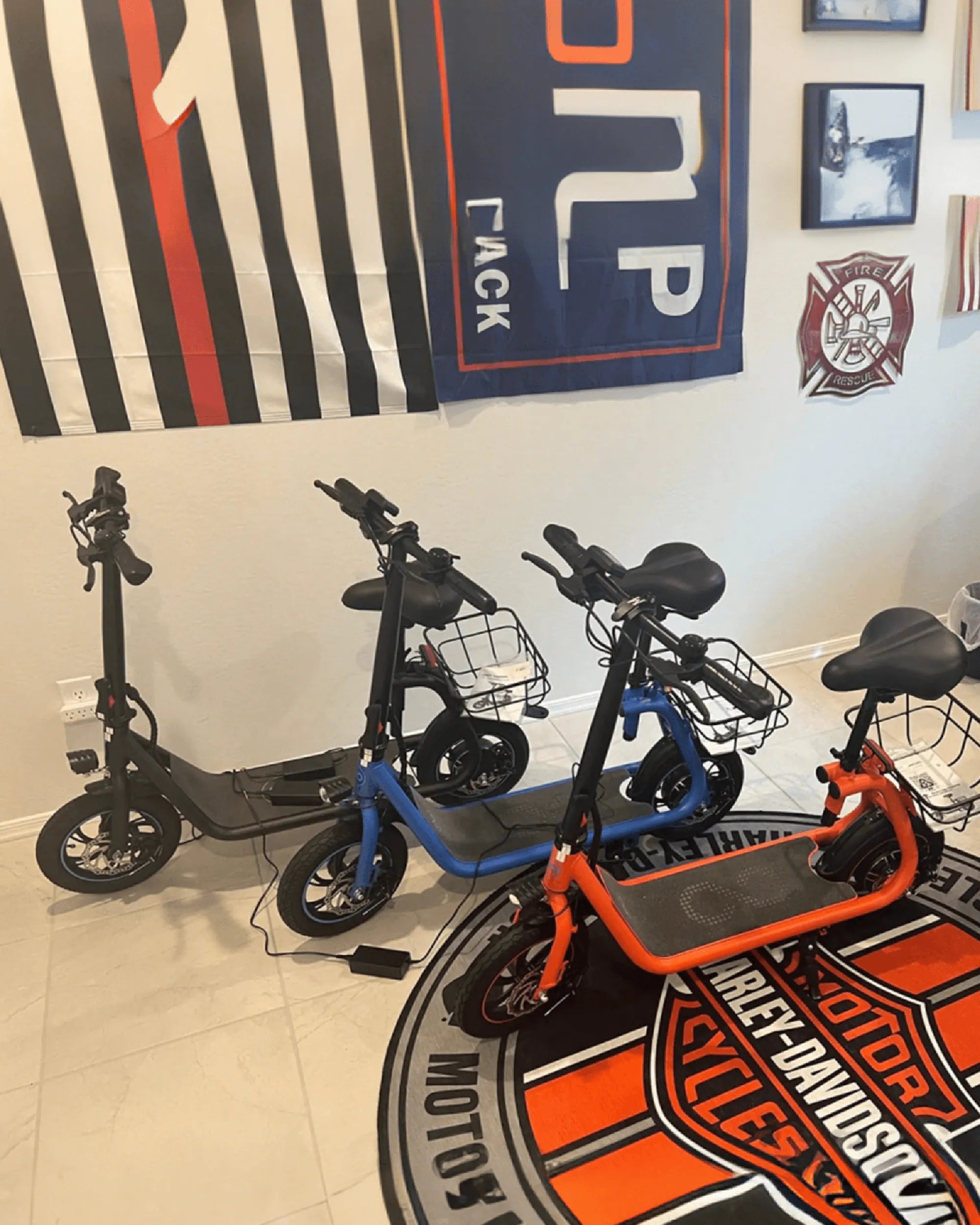
When it comes to personal transportation, the choice between a mobility scooter and a moped can be a tough one. Both offer unique advantages, but which one suits your lifestyle better? Whether you're looking for convenience, affordability, or speed, understanding the differences between these two options is crucial. Let's dive into the details to help you decide.
What is a Mobility Scooter?
A mobility scooter is an electric-powered vehicle designed primarily for individuals with limited mobility. These scooters are built for comfort and stability, often featuring a seat, handlebars, and a small storage compartment. They are ideal for short-distance travel, such as running errands or navigating large indoor spaces like malls or hospitals.
Pros of Mobility Scooters
- Accessibility: Designed for users with mobility challenges, making them easy to operate.
- Comfort: Equipped with padded seats and ergonomic controls for a smooth ride.
- Safety: Low speeds and sturdy construction reduce the risk of accidents.
- No License Required: In most regions, you don't need a driver's license to operate one.
Cons of Mobility Scooters
- Limited Speed: Typically max out at 8-10 mph, making them unsuitable for longer commutes.
- Range: Battery life restricts travel distance, often requiring frequent recharges.
- Terrain Limitations: Not designed for rough or uneven surfaces.
What is a Moped?
A moped is a lightweight motorized vehicle that combines the features of a bicycle and a motorcycle. Mopeds are powered by small engines or electric motors and are designed for urban commuting. They offer higher speeds and greater range than mobility scooters, making them a popular choice for daily travel.
Pros of Mopeds
- Speed: Can reach speeds of 30-40 mph, ideal for city commuting.
- Range: Longer travel distances on a single tank or charge.
- Versatility: Suitable for various terrains, including hills and busy streets.
- Fuel Efficiency: More economical than cars, with lower operating costs.
Cons of Mopeds
- License Requirements: Often require a driver's license or special permit.
- Safety Concerns: Higher speeds increase the risk of accidents.
- Less Comfortable: Lack of seating support compared to mobility scooters.
Key Differences Between Mobility Scooters and Mopeds
| Feature | Mobility Scooter | Moped |
|---|---|---|
| Primary Use | Assisted mobility for short distances | Urban commuting |
| Speed | 8-10 mph | 30-40 mph |
| Range | 10-20 miles per charge | 50-100 miles per tank/charge |
| License Required | No | Yes |
| Terrain | Smooth surfaces | Varied, including hills |
Which One Should You Choose?
The decision between a mobility scooter and a moped ultimately depends on your specific needs. If you require a reliable, easy-to-use vehicle for short trips and have mobility limitations, a mobility scooter is the better choice. On the other hand, if you need a faster, more versatile option for daily commuting and don't mind the licensing requirements, a moped might be the way to go.
Still unsure? Consider your daily routine, budget, and comfort preferences. Test-driving both options can also provide valuable insights. Whichever you choose, both mobility scooters and mopeds offer convenient alternatives to traditional transportation methods.
Ready to make your move? Whether it's the ease of a mobility scooter or the thrill of a moped, the perfect ride is waiting for you. Explore your options today and take the first step toward a more mobile lifestyle!
Scooter Tyres: The Ultimate Guide to Performance, Safety, and Maintenance
How Fast Can a 110cc Dirt Bike Go: Speed, Performance, and Factors Explained