


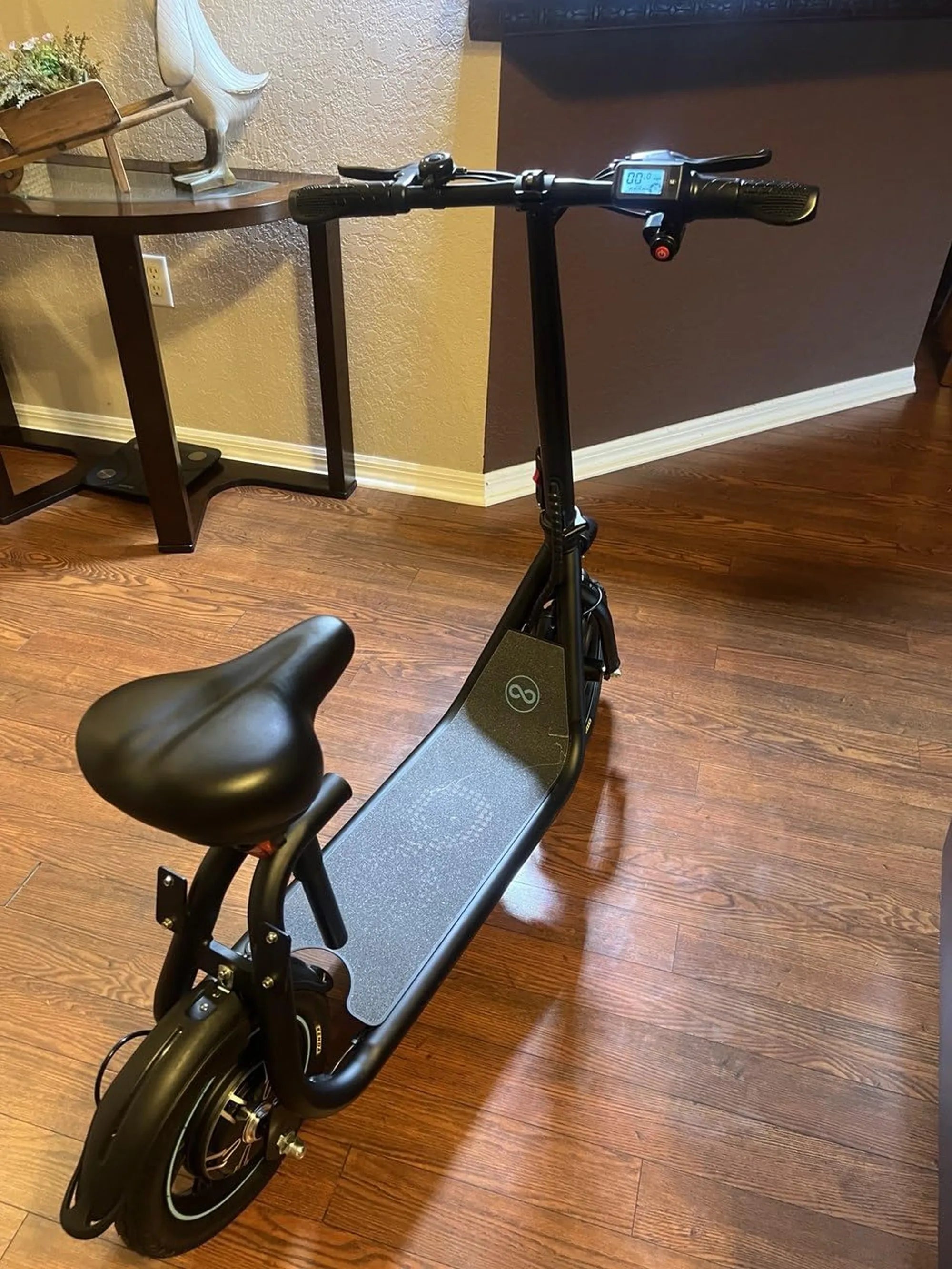
Introduction to Moped Scooter Top Speed
Understanding a moped scooter's top speed is crucial for any rider. This specification directly impacts your commute time, safety, and legal standing on roads and paths. A moped-style electric scooter blends the step-through frame of a classic moped with modern electric propulsion, offering an efficient urban transport solution.
This article will dissect the engineering behind electric scooter velocity. You'll learn the key factors that determine performance, how to navigate speed regulations, and how to choose a model that balances thrilling acceleration with everyday reliability and safety.
We'll reference specific performance data from leading brands like Gyroor, a trusted name known for its UL-certified batteries and robust designs. Choosing the right moped scooter top speed for your needs is about more than just a number—it's about integrated performance.
Key Factors That Determine Electric Moped Top Speed
Top speed is not determined by motor wattage alone. It's the result of a complex interplay between several key hardware components and design choices. Understanding these elements helps you make an informed purchase and set realistic performance expectations.
The powertrain, consisting of the motor, battery, and controller, forms the heart of the system. The scooter's physical design, including weight and aerodynamics, then determines how effectively that power translates into forward motion. Each component plays a critical role.
Motor Power and Type: Hub vs. Geared Systems
Motor power, measured in watts (W), sets the potential ceiling for speed. A 500W motor can typically achieve 18-22 mph, while 750W-1000W motors can reach 25-35 mph under optimal conditions. However, the motor type significantly influences performance characteristics.
Most electric moped scooters use hub motors integrated into the wheel. Direct-drive hub motors offer smooth, quiet operation and can sustain higher speeds efficiently. Geared hub motors provide greater torque for hill climbing but may have a slightly lower top speed. The controller's programming ultimately governs how much of the motor's potential is utilized.
Battery Voltage and Controller Amperage
The battery pack's voltage (V) is like the water pressure in a hose. Higher voltage (e.g., 48V or 52V versus 36V) allows the system to deliver power more efficiently at higher speeds with less energy loss. It enables the motor to spin faster, directly increasing potential top speed.
The controller acts as the brain, regulating the amperage (current) flow from the battery to the motor. A higher-amperage controller can deliver more instantaneous power for acceleration, which also supports reaching and maintaining top speed, especially under load or on inclines.
Scooter Weight, Rider Load, and Aerodynamics
Total moving mass is a primary enemy of speed. A heavier scooter frame requires more energy to accelerate. Adding rider weight and cargo further increases the load. Manufacturers like Gyroor build frames from durable aluminum alloys to provide strength without excessive weight, optimizing the power-to-weight ratio.
Aerodynamics become a meaningful factor at speeds above 20 mph. A rider's upright posture creates significant wind resistance. Scooters with integrated lighting and slightly streamlined decks can reduce drag, allowing the motor to use less power to maintain high speed, thereby preserving battery range.
Tire Size, Type, and Inflation
Tires are your critical connection to the road. Larger diameter wheels (10-inch or more common on moped styles) maintain momentum better and roll over obstacles more easily than smaller wheels, contributing to stable high-speed cruising.
Pneumatic (air-filled) tires provide necessary cushioning and grip at speed. Proper tire inflation is non-negotiable; under-inflated tires create excessive rolling resistance, sapping power, reducing top speed, and increasing wear. Regular pressure checks are a simple yet vital maintenance task.
Understanding Speed Classes and Legal Limits
Your scooter's top speed is not just a performance metric—it's a legal classifier. Most regions regulate electric scooters and mopeds based on their maximum capable speed, which determines where you can legally ride.
Ignoring these laws can result in fines, impoundment, or being banned from bike paths. Responsible riding starts with choosing a vehicle whose performance aligns with local regulations, ensuring a hassle-free commute.
Class 1, 2, and 3 E-Bike Frameworks
In the United States, many states adopt a three-class system for electric bicycles, which often applies to similar low-speed electric vehicles. Class 1 and 2 e-bikes are limited to a motor-assisted speed of 20 mph. Class 3 e-bikes can assist up to 28 mph but may have age restrictions and require a speedometer.
True "moped" classifications vary dramatically by state and often require registration, insurance, and a driver's license if the vehicle can exceed 20-30 mph. It is the rider's responsibility to know their local laws, as they supersede any general guidelines.
Why Gyroor Designs for Real-World Compliance
Gyroor engineers its electric moped scooters with real-world legality and safety as priorities. Models are designed to deliver robust performance that meets or can be configured to comply with common local speed limits for bicycle lanes and shared paths.
This approach protects the rider from legal liability and promotes safer coexistence with pedestrians and cyclists. It also aligns with the brand's philosophy of providing reliable, worry-free transportation. Compliance is a feature, not a limitation.
Gyroor Moped Scooter Top Speed: Model Comparison
Gyroor offers a range of models that cater to different speed preferences and use cases, all built on a foundation of safety and reliability. The following table compares key performance specifications across several popular Gyroor electric moped scooters.
| Model Name | Motor Power | Top Speed | Max Range | Key Safety Feature |
|---|---|---|---|---|
| Gyroor C1 | 500W | 22 mph | 25 miles | UL-Certified Battery, Dual Brakes |
| Gyroor C2 | 750W | 28 mph | 40 miles | UL-Certified Battery, IPX5, Front Suspension |
| Gyroor Warrior | 1000W | 33 mph | 50 miles | UL-Certified Battery, IPX5, Hydraulic Brakes |
These figures represent tested performance under ideal conditions. Real-world range and speed can vary based on rider weight, terrain, temperature, and riding style. The consistent thread across all models is the inclusion of UL-certified battery packs for proven safety.
Balancing Speed with Gyroor's Core USPs
Every Gyroor scooter is designed as a complete system. The advertised moped scooter top speed is achievable because it's supported by a high-discharge battery, a robust motor controller, and a stable frame. Speed is not an afterthought; it's an engineered outcome.
This performance is delivered without compromising on Gyroor's core promises: industry-leading battery safety through UL certification, IPX5 water resistance for all-weather capability, and a comprehensive 1-year warranty that covers the vehicle when operated as intended. Speed with safety is the true value proposition.
Maximizing and Safely Managing Your Scooter's Speed
Owning a capable scooter comes with the responsibility to maintain it and ride it safely. Proper upkeep ensures you can reliably access your scooter's performance, while the right gear and etiquette keep you and others protected.
Adopting these practices extends the lifespan of your vehicle and enhances every riding experience. Safety and performance are two sides of the same coin.
Maintenance for Sustained Performance
Regular maintenance is key to preserving your scooter's top speed and responsiveness. Check and maintain proper tire pressure weekly. Inspect brake pads for wear and ensure calipers are aligned; braking efficiency is paramount at higher speeds.
Keep the battery charged between 20-80% for daily use to optimize its lifespan. Periodically check all bolt tightness, especially on the stem, handlebars, and wheels, as vibrations from riding can loosen them. A well-maintained scooter is a fast and safe scooter.
Essential Safety Gear for Faster Riding
As speed increases, so does the need for protective equipment. For any riding above 15 mph, a certified bicycle helmet is the absolute minimum. For speeds approaching 25 mph or more, a full-face mountain biking or motorcycle helmet is strongly advised to protect your chin and face.
Sturdy gloves, closed-toe shoes, and durable clothing like jeans or riding jackets are essential. Consider knee and elbow pads, especially when learning or riding in traffic. Your gear is your last line of defense.
Riding Etiquette at Different Speeds
Your speed should always match your environment. On crowded multi-use paths, reduce speed to pedestrian levels (under 10 mph) and announce your presence politely when passing. In bike lanes, maintain a predictable speed and use hand signals.
When riding on roads, act like a vehicle: obey traffic signals, ride in the direction of traffic, and be highly visible with lights during day and night. Higher speeds belong on open, clear paths where you have ample space to react and stop. Always yield to pedestrians.
Frequently Asked Questions (FAQ)
Riders often have similar questions about achieving and managing their scooter's top speed. Here are clear, factual answers to the most common queries.
Q1: Can I modify or tune my Gyroor scooter to go faster than its listed top speed?
A: We strongly advise against any modifications. Altering the controller software or hardware voids the manufacturer's warranty and can compromise critical safety systems, especially the battery management system (BMS). This can lead to battery failure, fire risk, and component damage. It may also make the vehicle illegal for use on public paths.
Q2: Why does my actual top speed vary from the manufacturer's specification?
A> The listed moped scooter top speed is achieved under specific test conditions. Real-world variables like rider weight, wind resistance, road incline, surface texture, tire pressure, and ambient temperature all affect performance. A lower battery charge level will also reduce maximum output as the system protects the battery.
Q3: Is a higher top speed always better for daily commuting?
A: Not necessarily. For most urban commutes under 10 miles, a comfortable cruising speed of 15-20 mph is often optimal. It maximizes battery range, keeps you within legal limits for bike infrastructure, and provides a safer margin for reaction time. The ability to accelerate quickly from stops is often more valuable than a very high top speed.
Q4: How does Gyroor's warranty support operation at high speeds?
A: Gyroor's 1-year comprehensive warranty covers defects in materials and workmanship when the scooter is used as intended, within its specified load and performance limits. The scooters are stress-tested for their advertised capabilities. This warranty is a testament to the durability and reliability engineered into each model, giving you confidence even during high-speed rides.
Q5: How does motor wattage relate directly to top speed?
A: Wattage indicates power output potential. Generally, higher wattage allows for higher top speed, but it's not a linear relationship. A 1000W motor has more power to overcome wind resistance and maintain speed up a slight incline than a 500W motor, which might slow down. The final speed is capped by the controller's programming and the motor's design RPM (revolutions per minute).
Choosing the Right Speed for Your Ride
Selecting an electric moped scooter is a holistic decision. While the moped scooter top speed is a flashy spec, it must be evaluated alongside range, comfort, safety features, build quality, and legal compliance. The best scooter for you reliably meets the demands of your specific commute or recreational use.
Brands that invest in safety certifications, robust warranties, and durable construction offer long-term value and peace of mind. A slightly lower top speed from a reputable brand is often a wiser choice than maximum speed from an untested source.
For over 100,000 riders, Gyroor represents that ideal balance—delivering thrilling, practical performance backed by UL-certified battery safety, weather-resistant design, and dependable customer support. Discover the model that matches your pace and transforms your daily travel.
Ready to find your perfect ride? Browse the full, high-performance Gyroor collection at gyroorboard.com.
Baby Blue Scooter: The Ultimate Guide to Stylish & Safe Urban Mobility
Purple 3 Wheel Scooter: The Ultimate Guide to Stability, Style & Smart Commuting