



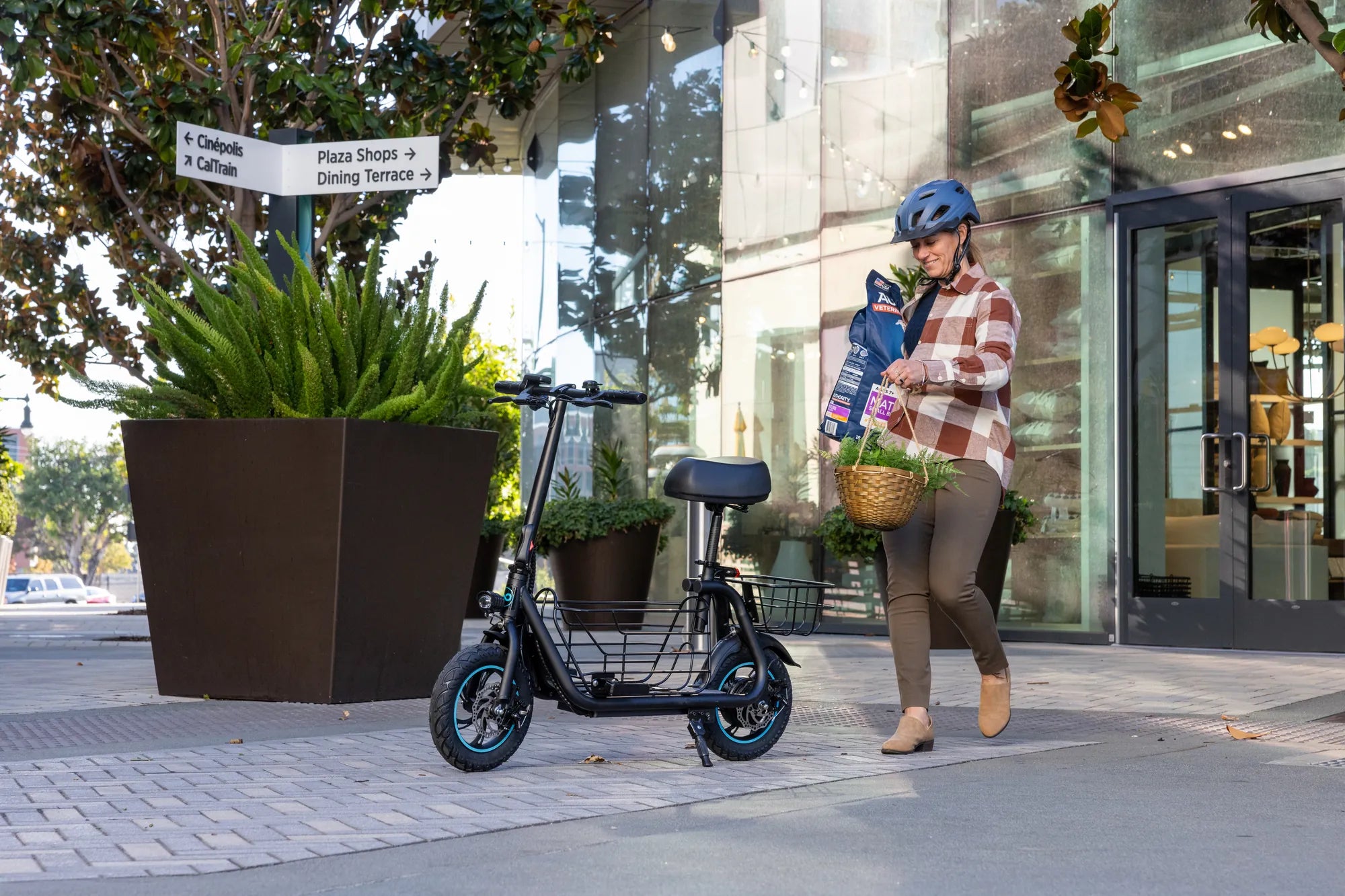
Electric scooters and mopeds have surged in popularity as eco-friendly, cost-effective alternatives to traditional transportation. With rising fuel prices and growing environmental concerns, more people are turning to electric two-wheelers for their daily commutes. But what exactly determines the price of an electric scooter? Let’s dive into the factors that shape pricing and how you can find the best value for your money.
Key Factors Influencing Electric Scooter Prices
The cost of an electric scooter isn’t just about the brand or model—it’s a combination of several critical elements. Here are the primary factors that impact pricing:
Battery Technology and Range
One of the biggest contributors to an electric scooter’s price is its battery. Lithium-ion batteries, while more expensive, offer longer lifespans and better performance compared to lead-acid alternatives. Higher-capacity batteries that provide extended range (50+ miles per charge) will naturally drive up the cost.
Motor Power and Performance
The motor’s wattage directly affects speed, acceleration, and hill-climbing ability. Entry-level scooters may feature 250W motors, while high-performance models can exceed 2000W. More powerful motors mean higher prices but also a smoother, more responsive ride.
Build Quality and Materials
Lightweight yet durable materials like aluminum alloy or carbon fiber increase manufacturing costs but improve portability and longevity. Cheaper models often use heavier, less resilient materials, which can affect both performance and durability.
Features and Accessories
Additional features such as LED displays, smartphone connectivity, anti-theft systems, and regenerative braking can add to the price. While these aren’t essential, they enhance convenience and safety.
Market Trends Affecting Electric Scooter Prices
Beyond the scooter’s specifications, broader market trends play a role in pricing. Here’s what’s shaping costs in 2023:
Supply Chain and Component Costs
Global supply chain disruptions have impacted the availability of key components like batteries and semiconductors, leading to price fluctuations. As production stabilizes, prices may become more competitive.
Government Incentives and Subsidies
Many regions offer tax credits or rebates for electric vehicle purchases, which can significantly reduce the effective price. Always check local policies to see if you qualify for savings.
Growing Competition and Innovation
As more manufacturers enter the market, competition drives innovation and price adjustments. Newer models often offer better features at similar or lower prices than older versions.
How to Find the Best Electric Scooter for Your Budget
With so many options available, finding the right balance between cost and quality can be challenging. Here’s a quick guide:
- Set a Budget: Determine how much you’re willing to spend before browsing.
- Prioritize Needs: Focus on essential features like range and motor power over extras.
- Compare Reviews: Look for unbiased reviews to gauge real-world performance.
- Check Warranty: A longer warranty can save money on future repairs.
Electric scooters and mopeds are more than just a trend—they’re a smart investment in sustainable mobility. By understanding what drives pricing, you can make a confident purchase that fits both your lifestyle and budget. Whether you’re commuting to work or exploring the city, the right electric scooter can transform your daily rides.
E Runner Scooter: The Future of Urban Mobility
2 Wheel Stand on Electric Scooters: The Ultimate Guide to Stability and Safety