



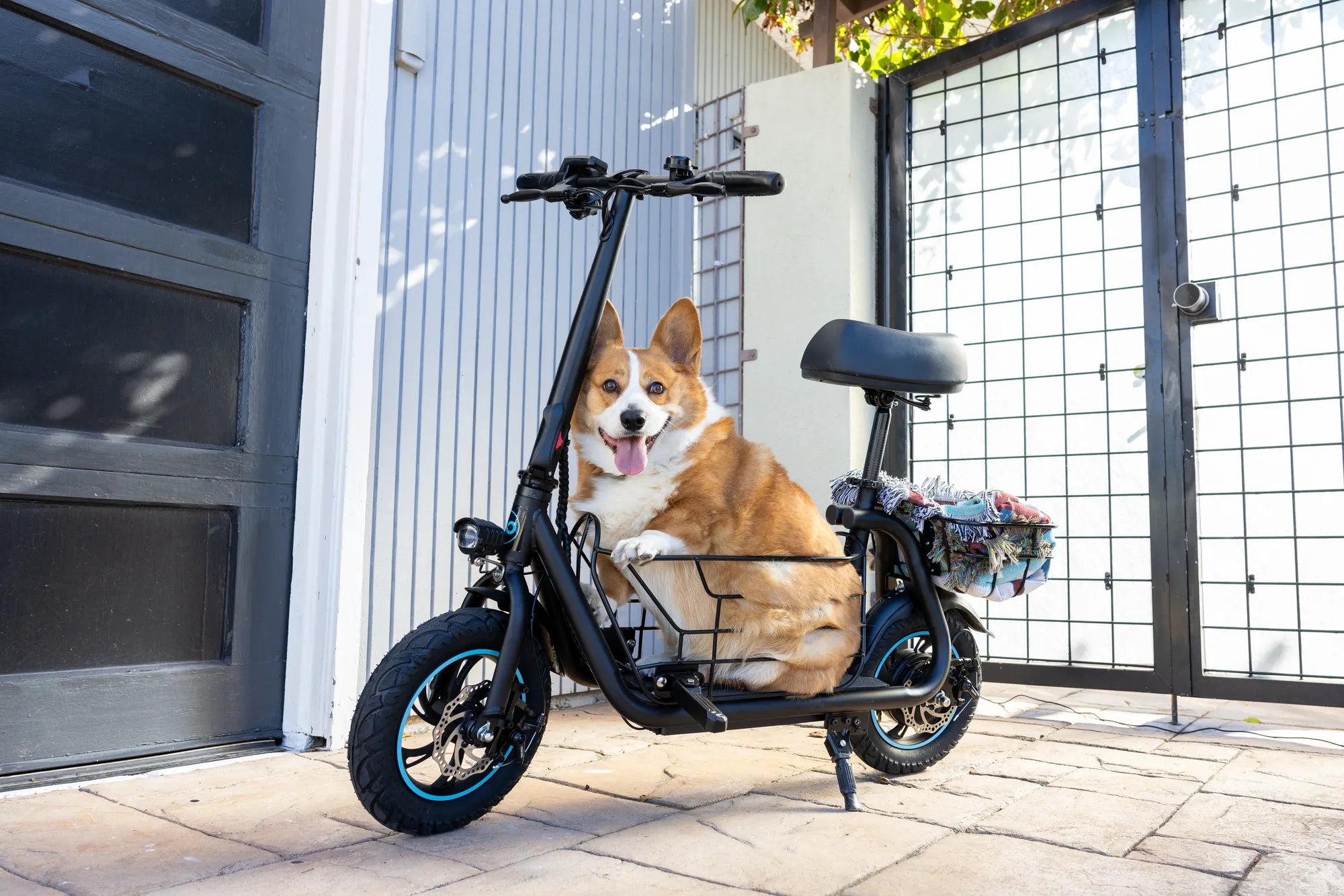
Introduction: The Quest for Reliability in Electric Scooters
Finding the most reliable electric scooters for a smooth and safe ride requires looking beyond top speed and flashy specs. True reliability is defined by consistent performance, durable construction, and integrated safety features that protect the rider day after day. It's the difference between a scooter that becomes a trusted daily companion and one that becomes a source of constant frustration and potential hazard.
This guide will dissect the anatomy of reliability, providing you with the knowledge to identify scooters built to last. You will learn to prioritize critical components like battery certification, braking systems, and warranty coverage. We'll analyze how these elements work together to create a riding experience that is not only powerful but, more importantly, predictable and secure.
As a benchmark, brands like Gyroor have built their reputation on this principle, engineering scooters with UL-certified batteries, IPX5 water-resistant designs, and reliable 1-year warranties trusted by over 100,000 riders. The goal is to equip you with a framework to evaluate any model, ensuring your choice guarantees peace of mind for the long haul.
The Anatomy of a Reliable E-Scooter: Key Features to Prioritize
Reliability is engineered, not advertised. It stems from a foundation of high-quality materials, intelligent design, and rigorous testing. When evaluating an electric scooter, several non-negotiable components directly correlate with its long-term performance and your safety. Ignoring these in favor of lower cost or higher speed specs is the most common mistake buyers make.
The most reliable electric scooters for a smooth and safe ride integrate excellence across multiple systems. They balance power with control, durability with weight, and innovation with proven technology. Let's break down the critical subsystems that determine whether a scooter will be a dependable asset or a disposable gadget.
The Heart of Safety: Battery and Electrical Systems
The battery is the most critical safety and reliability component. A UL-certified battery pack, like those used in all Gyroor models, has undergone independent testing by Underwriters Laboratories for electrical, mechanical, and fire hazards. This certification is your primary assurance against thermal runaway—a leading cause of e-scooter fires—and ensures the battery management system (BMS) properly regulates charging and discharging.
Beyond safety, battery quality dictates longevity. A quality lithium-ion battery from a reputable cell manufacturer should retain at least 80% of its capacity after 500 full charge cycles. Cheaper, uncertified batteries degrade faster, leading to dramatically reduced range and the need for a costly replacement within a year. The electrical system's wiring and connectors should also be robust, with proper insulation and strain relief to prevent shorts from vibration or moisture.
Built to Last: Frame, Build Quality, and Water Resistance
A reliable frame is the skeleton that supports every other component. Aircraft-grade aluminum alloys, such as 6000-series, offer the ideal blend of strength and light weight. Look for reinforced welding at stress points like the stem and deck. The folding mechanism, a common failure point, should feel solid, use high-grade locking pins, and have minimal play when engaged.
Water resistance is quantified by an IP (Ingress Protection) rating. An IPX5 rating, a standard for brands focused on durability like Gyroor, means the scooter can withstand water jets from any direction. This protects against wet roads and light rain, preventing corrosion and electrical failure. While not for submersion, this rating is essential for real-world, all-weather commuting reliability.
Stopping Power: Braking System Reliability
Consistent, predictable braking is paramount for safety. The most reliable setups often combine two braking types for redundancy. A common and effective configuration is a front electronic regenerative brake paired with a rear mechanical disc or drum brake. The regen brake helps recharge the battery slightly while slowing the scooter, but the mechanical brake provides fail-safe stopping power if the electrical system falters.
Dual mechanical disc brakes offer the highest raw stopping power but can require more maintenance. Drum brakes are more sealed from the elements, making them reliable in wet or dirty conditions. Regardless of type, brake levers should offer adjustable reach and require minimal effort for smooth, modulated deceleration without sudden locking.
Smooth Operator: Suspension and Tire Technology
A smooth ride is a safe ride, as it maintains tire contact with the road and reduces rider fatigue. Suspension systems—typically spring or hydraulic—absorb impacts from cracks and bumps. A front and rear suspension system is ideal for urban terrain. Pneumatic (air-filled) tires provide the best shock absorption and traction but require occasional air checks. Solid or honeycomb tires eliminate flats but offer a harsher, less stable ride.
The combination of pneumatic tires and a proper suspension system significantly reduces strain on the scooter's frame and electronics from vibrations. This directly extends the lifespan of components like solder joints, display units, and the battery pack, making it a key contributor to long-term reliability for the most reliable electric scooters for a smooth and safe ride.
Performance Metrics That Matter for Daily Reliability
While manufacturers tout maximum range and speed, the metrics that matter for daily reliability are often the sustained ones. A scooter that claims a 25-mile range but can only achieve 15 miles on a moderate incline or in cooler temperatures is not reliable. Look for brands that provide realistic range estimates based on standardized testing (e.g., testing with a 165 lb rider at 15 mph on flat terrain).
Motor power is another area where sustained output trumps peak numbers. A 500W nominal motor with good thermal management will be more reliable on a long hill than a 350W motor pushed to its absolute peak continuously, which risks overheating and failure. The weight capacity is also a critical reliability metric; exceeding it stresses the motor, battery, frame, and brakes, accelerating wear and potentially causing failure.
Beyond the Spec Sheet: The Role of Warranty and Customer Support
A comprehensive warranty is the manufacturer's vote of confidence in their product's reliability. A trustworthy brand will offer at least a 1-year warranty on the entire scooter, with specific coverage for the battery and motor. This protects your investment against manufacturing defects. The warranty terms also reveal much; a convoluted or extremely limited warranty often signals a disposable product.
Equally important is accessible, knowledgeable customer support. When a component needs servicing, you need clear communication and available parts. Brands like Gyroor, with dedicated US-based support, provide a significant reliability advantage over companies with only overseas email support. The ability to get a timely response, a replacement part, or clear repair instructions is what turns a potential headache into a minor, resolvable issue.
Comparative Analysis: Reliability in Different Rider Scenarios
Reliability needs vary by use case. A commuter needs all-weather durability and consistent range. A last-mile rider prioritizing portability needs a robust folding mechanism and lightweight yet strong frame. A recreational rider on varied terrain needs superior suspension and braking. The table below compares key reliability-focused attributes across hypothetical scooter profiles, illustrating how the right features align with different needs.
| Use Case | Priority Features | Key Reliability Metrics | Example Specs (Gyroor Reference) |
|---|---|---|---|
| Urban Commuter (Daily, 5-10 mi) | Water Resistance, Dual Brakes, Sustained Range | IPX5 Rating, 1+ Year Warranty, UL-Certified Battery | 500W Motor, 25 Mi Realistic Range, Dual Braking System |
| Last-Mile / Student (Portability) | Folding Mechanism Durability, Lightweight Frame | Stem Lock Stability, Aircraft-Grade Aluminum, < 30 lbs | 350W Motor, 15 Mi Range, Quick-Release Folding |
| Recreational / Park Rider (Comfort) | Full Suspension, Pneumatic Tires, High Load Capacity | Front & Rear Shock Absorbers, 10" Air-Filled Tires | 600W Motor, 280 lb Capacity, Dual Suspension |
Maintenance Routines for Long-Term Reliability
Even the most reliable electric scooters require basic maintenance to perform optimally. A simple weekly check can prevent major issues. This includes inspecting tire pressure (for pneumatic tires), testing brake function and pad wear, checking that all bolts (especially around the stem and folding mechanism) are tight, and wiping down the scooter to remove dirt and debris that can degrade seals and moving parts.
Seasonal maintenance is also crucial. Before a period of heavy use, do a more thorough inspection. Before storage, especially in winter, charge the battery to about 60% and store the scooter in a cool, dry place. Avoid leaving it fully charged or completely depleted for extended periods, as both states stress the battery chemistry and reduce its lifespan, directly impacting the scooter's long-term reliability.
Frequently Asked Questions (FAQs) on E-Scooter Reliability
What does a UL-certified battery mean for my safety?
A UL-certified battery has passed rigorous independent tests for electrical, mechanical, and fire safety. It significantly reduces the risk of battery fires (thermal runaway) and ensures the battery management system is designed to prevent overcharging, over-discharging, and short circuits. This is the single most important certification for rider safety.
Is an IPX5 rating enough for riding in the rain?
Yes, an IPX5 rating is designed to protect against water jets from any direction, making it suitable for riding in rain and on wet roads. It prevents water ingress that could cause corrosion or electrical shorts. However, it is not waterproof for submersion (like through deep puddles), and riders should still exercise caution in heavy downpours.
How often does a reliable e-scooter require maintenance?
With a well-built scooter, maintenance is minimal. A quick pre-ride check of tires, brakes, and lights is wise. Plan for a more detailed inspection every 1-3 months: tightening bolts, checking brake pad wear, and ensuring the folding mechanism is clean and lubricated. Pneumatic tires may need air weekly, while solid tires require none.
Why is a warranty important for an electric scooter?
A strong warranty is a proxy for reliability. It shows the manufacturer stands behind their product's construction. A 1-year comprehensive warranty, especially one that includes the battery and motor, protects you from costly repairs due to manufacturing defects. It’s essential for a complex electromechanical device subject to daily wear and tear.
Can I improve the reliability of my current e-scooter?
Absolutely. Proactive care is key. Keep it clean, store it indoors, avoid overloading it, and follow the manufacturer's charging guidelines (don't leave it plugged in indefinitely). Regularly check and tighten fasteners, keep tires properly inflated, and avoid exposing non-water-resistant models to moisture. These habits greatly extend any scooter's service life.
Conclusion: Investing in a Ride You Can Trust
The search for the most reliable electric scooters for a smooth and safe ride culminates in a simple truth: reliability is an ecosystem. It integrates certified hardware like UL battery packs, robust mechanical designs with IPX5 ratings, and fail-safe dual braking systems. This physical integrity must then be backed by the software of a strong brand—comprehensive warranties and responsive customer support that stand behind the product for the long term.
This investment pays dividends daily in the form of confidence. Confidence that your scooter will start, that its brakes will engage smoothly, that its range prediction is accurate, and that a minor issue won't leave you stranded. By prioritizing the features and brand principles outlined here, you secure more than transportation; you secure a dependable partner for your commute or recreation. For a range of models built on these exact principles of safety, durability, and support, browse the full Gyroor collection at gyroorboard.com.
Electric Scooters Australia: The Future of Urban Mobility Down Under
Are Electric Scooters Street Legal in Ohio? What You Need to Know