

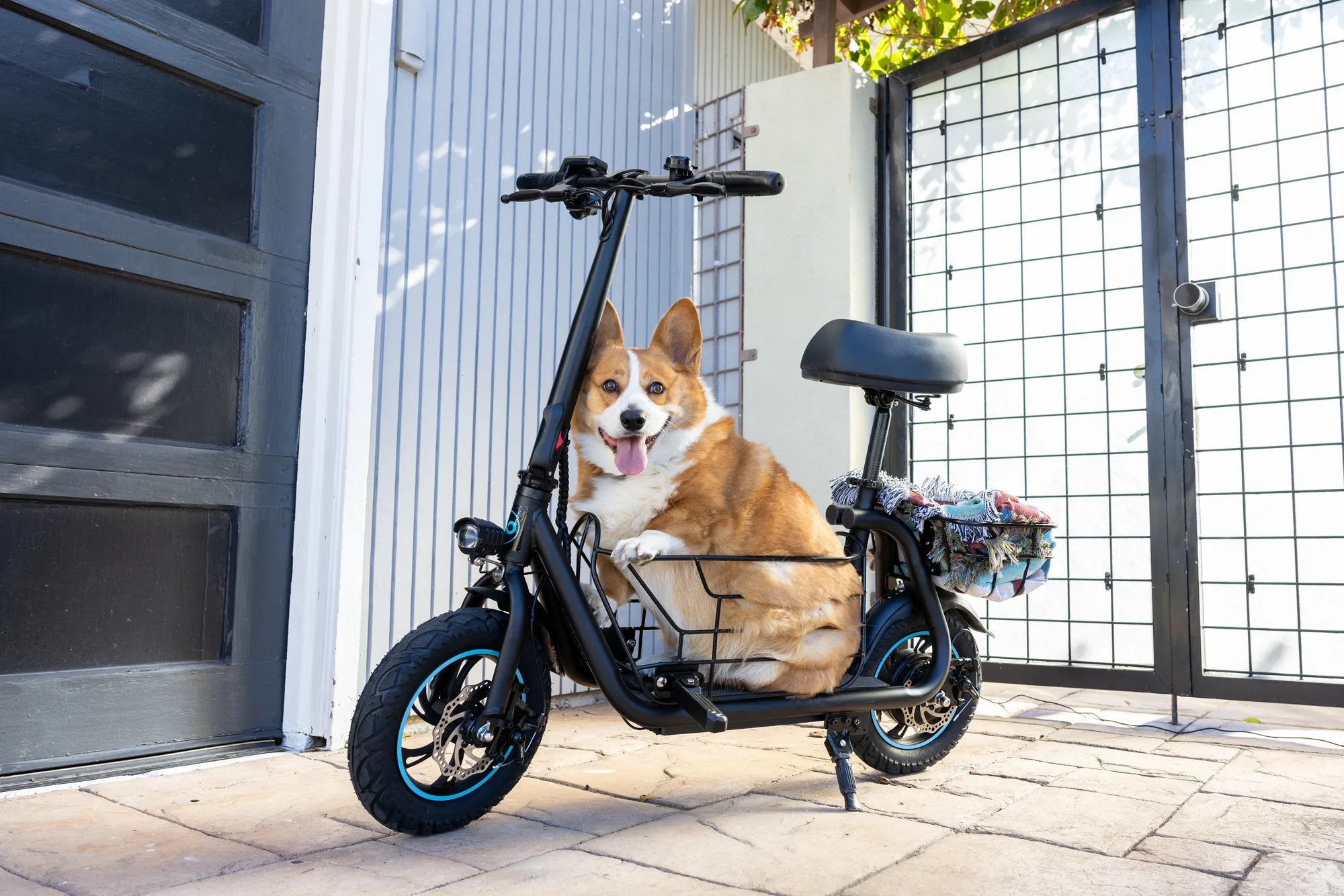
Nothing ruins your day like hopping on your electric scooter, pressing the power button, and... nothing happens. If your electric scooter won't turn on, it can feel like a major setback, but don't worry—many of these issues have simple fixes. Whether it's a dead battery, a loose connection, or a more complex electrical problem, this guide will walk you through the troubleshooting process to get your scooter running again.
Check the Battery First
The most common reason an electric scooter won't turn on is a dead or improperly connected battery. Start by ensuring the battery is charged. Plug in the charger and wait for the indicator light to confirm it's receiving power. If the charger doesn't light up, try a different outlet or check the charger for damage.
If the battery is charged but the scooter still won't turn on, inspect the battery connections. Over time, vibrations can loosen wires or corrode terminals. Disconnect the battery (if possible) and clean the contacts with a dry cloth. Reconnect it securely and try powering the scooter on again.
Inspect the Power Button and Wiring
If the battery isn't the issue, the problem might lie with the power button or internal wiring. Gently press the power button multiple times—sometimes dirt or debris can prevent proper contact. If the button feels stuck or unresponsive, it may need replacement.
For more advanced users, opening the scooter's control panel (if accessible) can reveal loose or damaged wires. Look for frayed cables, disconnected plugs, or burnt components. Be cautious—tampering with electronics can void warranties or cause further damage if done incorrectly.
Test the Motor and Controller
A faulty motor or controller can also prevent your scooter from turning on. Listen for any unusual sounds when attempting to power it up—a clicking noise might indicate a motor issue. If the scooter has a display screen, check for error codes that could point to a specific problem.
The controller, which regulates power between the battery and motor, can fail due to overheating or water damage. If you suspect a controller issue, professional repair may be necessary unless you're experienced with electric scooter electronics.
Look for Water Damage or Physical Damage
Electric scooters and water don't mix well. If your scooter was exposed to rain or splashes, moisture could have short-circuited the system. Let it dry completely in a warm, ventilated area for at least 24 hours before attempting to turn it on again.
Physical damage from drops or collisions can also disrupt the scooter's functionality. Check the frame for cracks, bent components, or loose parts that might affect the electrical system.
When to Seek Professional Help
If you've tried all the basic troubleshooting steps and your electric scooter still won't turn on, it's time to consult a professional. Continuing to disassemble or test components without expertise could lead to costly mistakes or safety hazards.
Many repair shops specialize in electric scooters and can diagnose issues quickly. They have the tools and knowledge to handle complex electrical problems, battery replacements, or motor repairs that go beyond DIY fixes.
Don't let a non-starting scooter leave you stranded. With patience and careful troubleshooting, you can often identify and resolve the issue yourself. But if all else fails, a professional can get you back on the move in no time—because every minute without your electric scooter is a minute too long.
How to Connect Electric Scooter Batteries: A Step-by-Step Guide
Best Electric Scooter with Seat Australia: Top Picks for Comfort and Convenience