

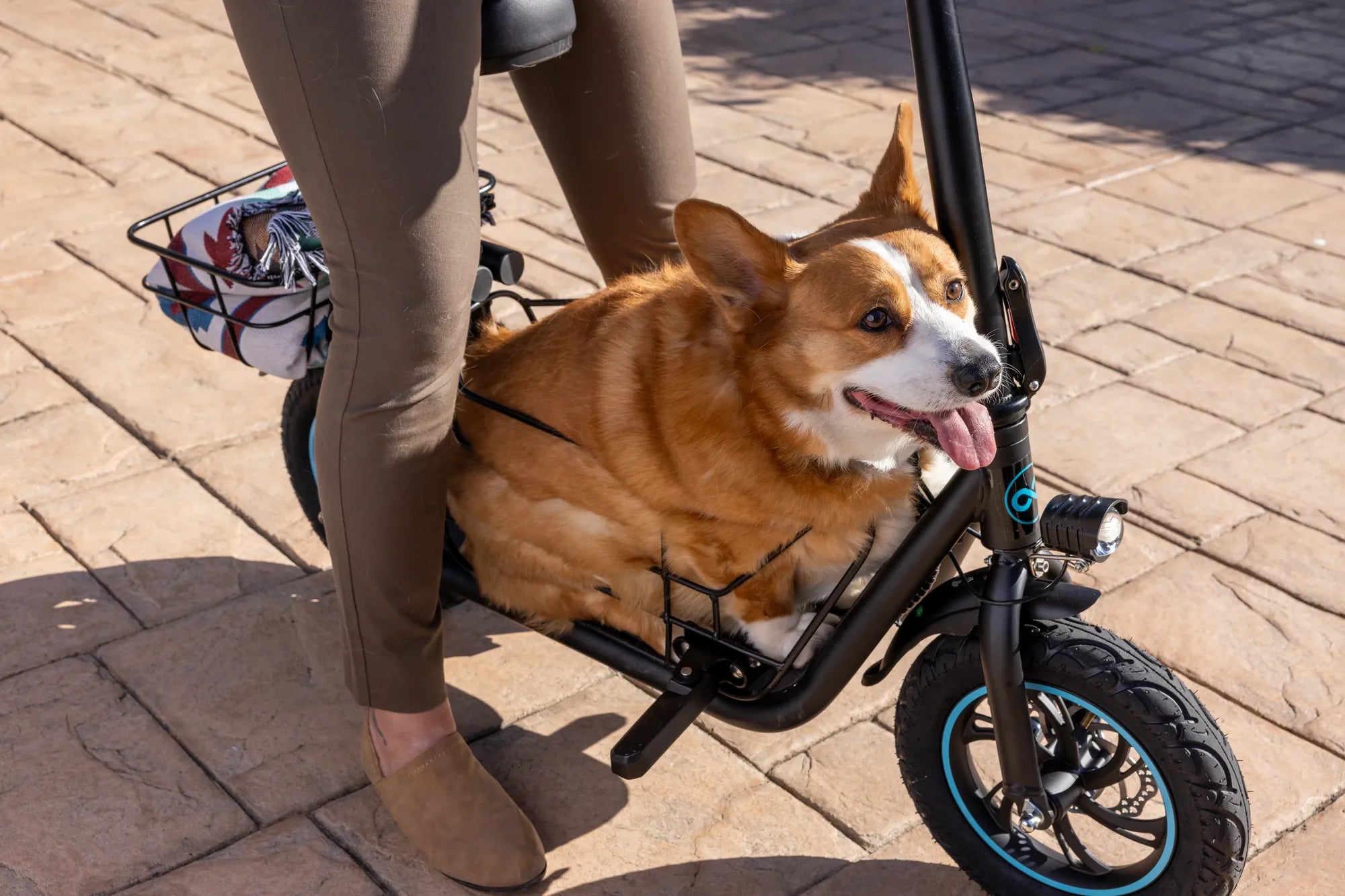
Imagine a world where mobility isn't limited by batteries, charging stations, or complex mechanics. Non electric mobility scooters offer a simple, eco-friendly, and reliable way to stay active and independent. Whether you're navigating tight spaces, enjoying the outdoors, or looking for a low-maintenance mobility solution, these devices provide a practical alternative to their electric counterparts. Let's explore why non electric mobility scooters are gaining popularity and how they can improve your quality of life.
What Is a Non Electric Mobility Scooter?
A non electric mobility scooter is a manually operated device designed to assist individuals with limited mobility. Unlike electric scooters, which rely on batteries and motors, these scooters are propelled by the user's physical effort or by a companion pushing the device. They are often lighter, more compact, and easier to maintain than electric models, making them an excellent choice for short-distance travel.
Benefits of Non Electric Mobility Scooters
Non electric mobility scooters come with several advantages that make them a preferred choice for many users. Here are some key benefits:
1. Eco-Friendly and Sustainable
Since they don't require electricity or batteries, non electric mobility scooters have a minimal environmental impact. They produce no emissions and don't contribute to electronic waste, making them a sustainable option for eco-conscious individuals.
2. Lightweight and Portable
Without heavy batteries or motors, these scooters are significantly lighter than electric models. Many designs are foldable or easily disassembled, allowing for convenient storage and transportation.
3. Low Maintenance
Electric scooters often require regular battery replacements, charging, and motor maintenance. Non electric models, on the other hand, have fewer moving parts, reducing the need for repairs and upkeep.
4. Cost-Effective
Non electric mobility scooters are generally more affordable than electric versions. With no need for expensive batteries or charging equipment, they offer a budget-friendly mobility solution.
5. Ideal for Short Distances
These scooters are perfect for short trips, such as navigating a home, garden, or local park. They provide just enough support to enhance mobility without the complexity of electric systems.
Who Can Benefit from a Non Electric Mobility Scooter?
Non electric mobility scooters are suitable for a wide range of individuals, including:
- Seniors: Older adults who need occasional support for walking or standing.
- Individuals with Temporary Injuries: Those recovering from surgery or an injury who require short-term mobility assistance.
- Caregivers: People who assist others with mobility challenges and need a lightweight, easy-to-use device.
- Outdoor Enthusiasts: Users who enjoy spending time in nature and want a simple, reliable way to move around.
How to Choose the Right Non Electric Mobility Scooter
Selecting the perfect scooter depends on your specific needs and preferences. Consider the following factors:
1. Weight Capacity
Ensure the scooter can support your weight comfortably. Check the manufacturer's specifications to avoid overloading the device.
2. Comfort and Ergonomics
Look for features like padded seats, adjustable handles, and sturdy frames to ensure a comfortable ride.
3. Maneuverability
Test the scooter's turning radius and ease of movement, especially if you'll be using it in tight spaces.
4. Portability
If you plan to transport the scooter frequently, opt for a foldable or lightweight model.
5. Terrain Compatibility
Consider where you'll use the scooter most often. Some models are designed for smooth indoor surfaces, while others can handle outdoor terrain.
Maintenance Tips for Non Electric Mobility Scooters
While these scooters require less maintenance than electric models, a few simple steps can keep them in top condition:
- Regularly inspect the wheels and axles for wear and tear.
- Keep the frame clean and free of debris.
- Lubricate moving parts as needed to ensure smooth operation.
- Store the scooter in a dry, sheltered area to prevent rust or damage.
Non Electric vs. Electric Mobility Scooters
While both types of scooters serve the same purpose, they cater to different needs. Here's a quick comparison:
| Feature | Non Electric Scooter | Electric Scooter |
|---|---|---|
| Power Source | Manual or push-assisted | Battery-powered |
| Weight | Lightweight | Heavier due to batteries |
| Maintenance | Low | Higher (battery care, charging) |
| Cost | Affordable | More expensive |
| Best For | Short distances, light use | Longer trips, frequent use |
Real-Life Applications of Non Electric Mobility Scooters
These scooters are versatile and can be used in various settings, such as:
- At Home: Moving around the house or garden with ease.
- In Healthcare Facilities: Assisting patients in hospitals or nursing homes.
- During Travel: Lightweight models are easy to take on trips or outings.
- For Recreational Use: Enjoying parks, malls, or other public spaces without fatigue.
Frequently Asked Questions
Are non electric mobility scooters difficult to use?
Not at all! They are designed for ease of use, with simple mechanisms that require minimal effort.
Can they be used outdoors?
Yes, many models are built to handle outdoor terrain, though smooth surfaces are ideal for the best experience.
How do I transport a non electric mobility scooter?
Most models are lightweight and foldable, making them easy to carry in a car trunk or store in small spaces.
Do they require assembly?
Some scooters may need minor assembly upon delivery, but instructions are typically straightforward.
Non electric mobility scooters are more than just a practical solution—they're a gateway to freedom and independence. Whether you're looking for a sustainable option, a budget-friendly device, or a lightweight alternative to electric scooters, these models deliver on all fronts. Embrace the simplicity and reliability of non electric mobility scooters and rediscover the joy of effortless movement.
Can You Make Your Electric Scooter Go Faster? Tips to Boost Speed Safely
How to Get Rid of an Electric Scooter: A Complete Guide