


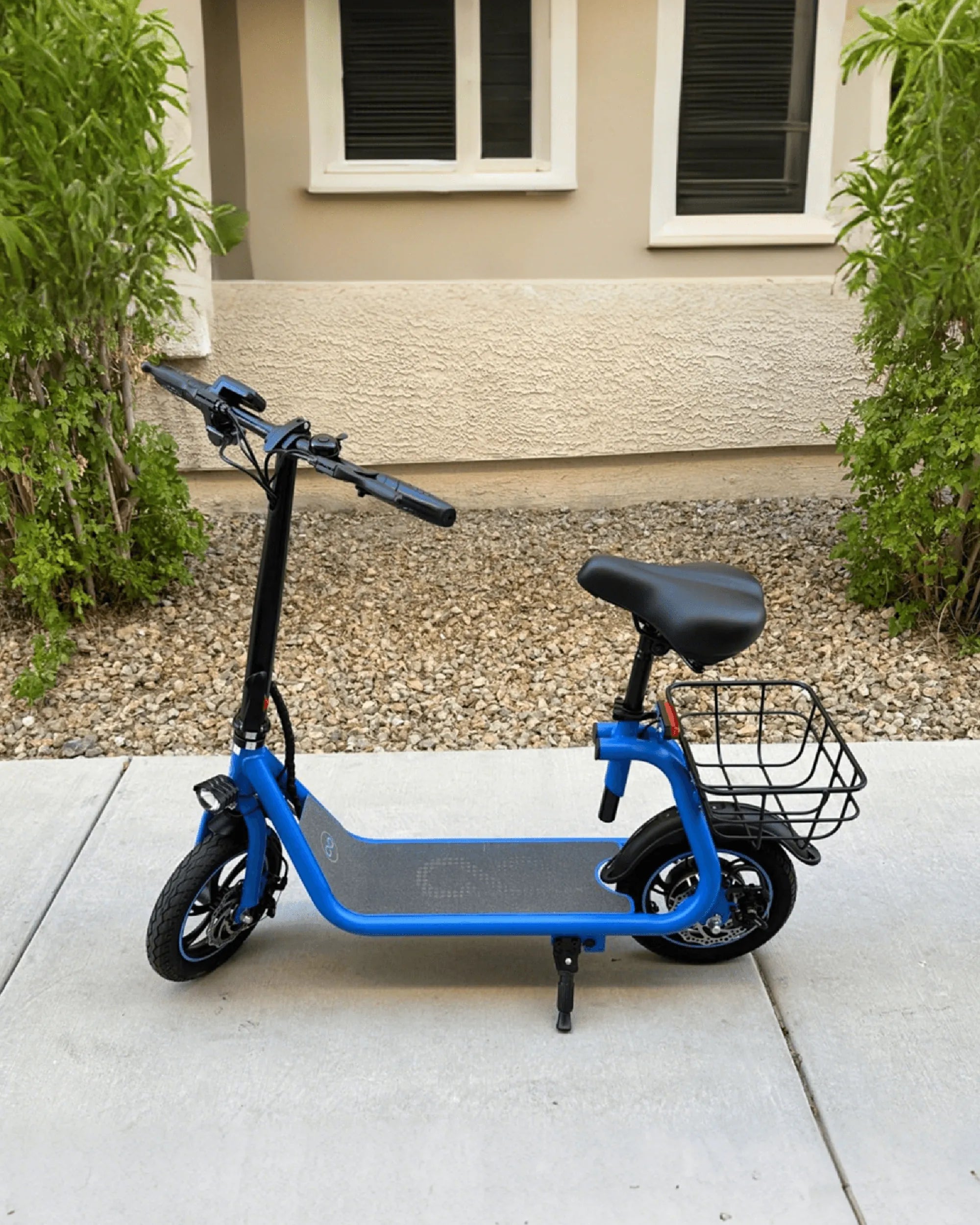
Introduction to Off-Road Scooter Bikes
An off road scooter bike is a high-performance electric vehicle engineered to conquer terrain where standard urban scooters and e-bikes fear to tread. These machines blend the agility of a scooter with the rugged capability of a trail bike, featuring powerful motors, robust suspension, and knobby tires designed for dirt, gravel, sand, and mud. Unlike their pavement-bound cousins, they are built from the ground up for durability and control in unpredictable environments.
This guide will dissect the critical components that define a genuine off-road electric vehicle. You will learn how to evaluate motor power, tire design, and frame construction for trail readiness. We'll also explore the practical realities of off-road riding, from battery performance on hills to essential safety gear, providing a comprehensive roadmap for your adventure.
Leading this category are brands like Gyroor, which designs its electric scooter and e-bike lineup with adventure in mind. Trusted by over 100,000 riders, Gyroor integrates UL-certified batteries, IPX5 water-resistant designs, and a reliable 1-year warranty into vehicles made for exploration. Understanding these engineering principles is key to choosing a machine that won't let you down when you venture off the map.
Key Features for a Genuine Off-Road Scooter Bike
Not all electric scooters labeled "off-road" are created equal. True capability stems from a synergy of specific, high-performance features. Compromising on any of these core elements can lead to a frustrating and potentially unsafe experience on challenging trails. The following specifications are non-negotiable for riders who plan to leave smooth pavement behind.
These features work together to provide the power, traction, stability, and endurance needed for off-road adventures. A scooter bike excelling in one area but lacking in another will be ill-suited for the demands of rough terrain. Careful evaluation against this checklist is essential before making a purchase.
Motor Power and Torque: The Heart of the Climb
For off-road use, motor power is paramount. Look for a continuous power rating of at least 500 watts, with 750W to 1000W being ideal for serious inclines and soft surfaces. Peak power ratings can be much higher, providing bursts for steep climbs. More critical than peak wattage alone is torque—the rotational force that gets you moving from a stop and powers up hills.
A high-torque motor, often found in hub-drive or mid-drive systems, delivers immediate power to the wheel, allowing you to navigate over roots, rocks, and through mud without stalling. This is a stark contrast to urban scooters optimized for efficient cruising on flat ground. The motor must be paired with a controller capable of managing heat dissipation during sustained, high-load use on trails.
Tire Design and Suspension: Traction and Impact Absorption
Tires are your only contact with the ground. For off-road use, pneumatic (air-filled) tires are essential. They should be wide (at least 3 inches) and feature deep, knobby tread patterns to dig into loose dirt, gravel, and grass. Tubeless setups can offer additional puncture resistance, a valuable trait when far from home.
Suspension is equally critical. A quality front fork suspension with ample travel (80mm or more) absorbs impacts from rocks and ruts, maintaining control and comfort. Some advanced models feature dual suspension (front and rear) for the smoothest ride over the roughest terrain. This system protects both the rider and the vehicle's frame and electronics from constant jarring impacts.
Frame Construction and Durability: Built to Take a Beating
The frame must be incredibly robust. Aerospace-grade aluminum alloys or reinforced steel are common, offering a strong yet relatively lightweight structure. Look for welded joints that are clean and reinforced at stress points. High ground clearance is a must to avoid scraping the undercarriage on obstacles, rocks, and through dips in the trail.
The overall design should feel solid, with no flex or creaking when handling the bike. Components like the stem, handlebars, and deck should be oversized and securely fastened. This rugged construction ensures the vehicle can withstand the occasional jump, drop, or hard landing that comes with adventurous riding, providing long-term reliability.
Battery Range and Reliability: Powering the Adventure
Advertised range figures are typically based on ideal conditions: smooth pavement, light riders, and moderate speeds. Off-road riding drastically reduces range due to constant acceleration, hill climbing, and rolling resistance from soft surfaces. A battery rated for 25 miles on city streets may only deliver 12-15 miles on a hilly, dirt trail.
Therefore, opting for the largest battery capacity (measured in Watt-hours, Wh) you can afford is wise. More importantly, battery safety and reliability are critical. Brands like Gyroor use UL-certified battery packs, which have undergone rigorous testing for safety, stability, and longevity (typically rated for 500+ charge cycles). This certification is crucial for peace of mind when riding in remote areas.
Gyroor’s Off-Road Engineering: Built for the Trail
Gyroor's approach to off-road electric vehicles is defined by integrating trail-essential features with a focus on safety and durability. Their design philosophy recognizes that an adventure vehicle must be as reliable as it is capable, ensuring riders can focus on the experience, not mechanical worries. This is achieved through specific engineering choices that go beyond marketing claims.
From waterproofing to warranty support, Gyroor builds its off-road scooter bikes to meet the real-world challenges of trail riding. These features represent a commitment to creating products that empower exploration without compromise, a key reason for their strong reputation among a community of over 100,000 riders.
Water and Dust Resistance (IPX5 Rating)
An IPX5 rating is a game-changer for off-road riding. This certification means the scooter bike's electrical components can withstand water jets from any direction, making it resistant to rain, puddles, mud splashes, and even a quick rinse after a dirty ride. It protects the motor, controller, battery compartment, and display from ingress that could cause short circuits or corrosion.
This level of protection allows riders to confidently tackle trails in various weather conditions and cross shallow streams without anxiety. It's a practical feature that significantly enhances the vehicle's versatility and longevity, ensuring that a sudden downpour or a muddy section doesn't end your ride or damage your investment.
Warranty and Support for Adventurers
A comprehensive 1-year warranty on the frame, motor, battery, and controller provides a critical safety net for off-road enthusiasts. Gyroor's warranty underscores confidence in their product's durability. For riders who push their equipment, knowing that manufacturing defects or premature failures are covered allows for more confident exploration.
This is complemented by accessible customer support. Having a reliable point of contact for troubleshooting or warranty claims is invaluable, transforming a potential logistical headache into a manageable process. This support structure is part of the product's value, offering long-term reassurance that extends far beyond the initial purchase.
Urban Commute vs. Off-Road Adventure: A Detailed Comparison
Choosing between an urban electric scooter and a dedicated off road scooter bike depends entirely on your primary use case. They are specialized tools for different environments. The table below highlights the key differences in design, performance, and practicality.
| Feature | Urban Commuter Scooter | Off-Road Scooter Bike |
|---|---|---|
| Primary Terrain | Paved roads, bike paths, smooth surfaces. | Dirt trails, gravel, grass, mud, uneven ground. |
| Motor Power | 250W - 500W (efficiency-focused). | 500W - 1000W+ (torque-focused). |
| Tires | Solid or small pneumatic (slick/semi-slick). | Large, wide pneumatic with knobby tread. |
| Suspension | Basic or none; small wheels for agility. | Front fork or dual suspension with long travel. |
| Frame/Weight | Lightweight, folding for portability. | Heavier, reinforced, rigid for durability. |
| Battery Range | Optimized for flat, efficient cruising. | Larger capacity; reduced by terrain demands. |
| Key Strength | Portability, convenience, low maintenance. | Capability, traction, durability, adventure-ready. |
An urban scooter prioritizes portability and efficiency for daily errands and commutes. An off-road scooter bike sacrifices some of that convenience for the sheer capability to handle challenging terrain. Using an urban model off-road risks damage and offers poor performance, while using a heavy off-road model for a daily city commute may be overkill and less maneuverable.
Performance on Different Surfaces
On pavement, an off-road scooter bike will feel stable but less nimble than an urban model due to its heavier weight and knobby tires, which can create more rolling resistance and noise. Its suspension, however, makes it exceptionally comfortable over city potholes and cracks.
On trails, the roles reverse. The knobby tires provide essential grip, the suspension absorbs impacts, and the high-torque motor maintains momentum. The urban scooter would struggle with traction, suffer from a harsh ride, and its motor could overheat on climbs. The off-road bike's design truly comes alive when the pavement ends.
Practicality and Use Cases
The ideal use case for an off road scooter bike is recreational trail riding, exploring parks, camping trips, or use on rural properties. It's for the rider who sees the journey itself as the destination. It can handle a commute, especially if it involves unpaved shortcuts, but it is not optimized for frequent carrying onto public transit or compact storage.
An urban scooter is a tool for point A-to-B transportation in a built environment. Its practicality lies in its integration with public transit and easy storage under a desk or in a closet. Understanding this distinction is crucial to matching the right vehicle to your lifestyle and avoiding disappointment.
Safety and Maintenance for Off-Road Riding
Venturing off-road introduces unique risks and demands greater diligence in vehicle care. Proper preparation and maintenance are not just about prolonging the life of your scooter bike; they are fundamental to rider safety. A mechanical failure on a remote trail is more than an inconvenience—it can be a serious hazard.
Adopting a consistent pre-ride and post-ride routine is the hallmark of a responsible off-road rider. This proactive approach ensures your vehicle is always in top condition and that you are properly equipped to handle the challenges of the trail.
Essential Riding Gear
Never ride off-road without full protective gear. A certified bicycle or mountain bike helmet is the absolute minimum. A full-face mountain biking helmet is highly recommended for added protection. Gloves improve grip and protect your hands in a fall.
Knee and elbow pads are crucial, as off-road falls often involve impacts on uneven ground. Sturdy, closed-toe shoes with good grip are essential for foot placement and control. This gear can prevent or drastically reduce the severity of injuries, making it a non-negotiable investment for every ride.
Pre-Ride Checks and Post-Ride Care
Pre-Ride: Inspect tire pressure (crucial for pneumatic tires). Test both front and rear brakes for firm engagement. Check that all bolts (especially on handlebars, stem, and wheels) are tight. Ensure the battery is fully charged and securely locked. Verify that lights are functional if riding near dusk.
Post-Ride: Clean the scooter bike thoroughly after muddy or dusty rides. Use a damp cloth to wipe down the frame, tires, and undercarriage. Avoid direct high-pressure water sprays on bearings and electrical ports. Check for any new damage, loose components, or wear on tires and brake pads. Store in a dry place and avoid leaving the battery fully depleted.
Frequently Asked Questions (FAQ)
Q1: Can a Gyroor off-road scooter bike also be used for daily commuting?
Yes, absolutely. While optimized for trails, a Gyroor off-road scooter bike is fully capable on pavement. Its suspension provides a very smooth commute, and the powerful motor handles hills with ease. The trade-off is that it is typically heavier and less portable than a dedicated urban commuter scooter.
Q2: How does the IPX5 rating protect my scooter bike?
The IPX5 rating means the electrical components are protected against low-pressure water jets from any direction. This allows you to ride in rain, through puddles, and on wet trails without worrying about water damage to the motor, battery, or controller. It is a key feature for all-weather and all-terrain capability.
Q3: What is the realistic range I can expect on a rough trail?
Expect your range to be reduced by 35-50% compared to the advertised pavement range. If a model claims 25 miles on city streets, plan for 12-15 miles on a hilly, technical dirt trail. Factors like rider weight, incline, and riding style (aggressive vs. conservative) will also significantly impact real-world range.
Q4: Are these bikes legal to ride on public hiking or mountain biking trails?
Laws vary dramatically by country, state, and even local park regulations. Many public hiking trails prohibit motorized vehicles. Some mountain bike trails may allow Class 1 e-bikes (pedal-assist only). It is your responsibility to research and obey all local laws and trail signage. Never assume an electric scooter bike is permitted on any non-motorized trail.
Q5: How often should I perform maintenance on an off-road scooter bike?
Due to the higher stress from rough terrain, off-road models require more frequent checks. Perform the basic pre-ride inspection before every outing. A more thorough check of brake pad wear, bolt tightness, and suspension should be done weekly with regular use. Professional servicing (e.g., for brake bleeding or suspension tuning) is recommended annually or after 500 miles of heavy use.
Choosing Your Path to Adventure
An off road scooter bike represents a ticket to unparalleled freedom, unlocking landscapes and experiences inaccessible to standard urban electric vehicles. The choice to invest in one is a commitment to exploration, adventure, and embracing the journey beyond the endpoint. It requires selecting a machine built with the right components—power, suspension, tires, and durability—to match your ambitions.
Brands that prioritize safety certifications, like UL for batteries and IP ratings for water resistance, demonstrate a commitment to rider security and product longevity. This engineering integrity, backed by strong warranty support, transforms a purchase from a simple transaction into a partnership for adventure. Your off-road electric vehicle should be a reliable companion, not a source of uncertainty.
Ready to explore where the pavement ends? Discover the engineered durability and trail-ready performance of Gyroor's lineup. Browse the full Gyroor collection at gyroorboard.com to find the off-road scooter bike built to empower your next adventure.
Bike Scooter City: The Ultimate Guide to Urban Electric Mobility
Most Popular Scooter Brands: A Data-Driven Guide to Choosing Your Ride