



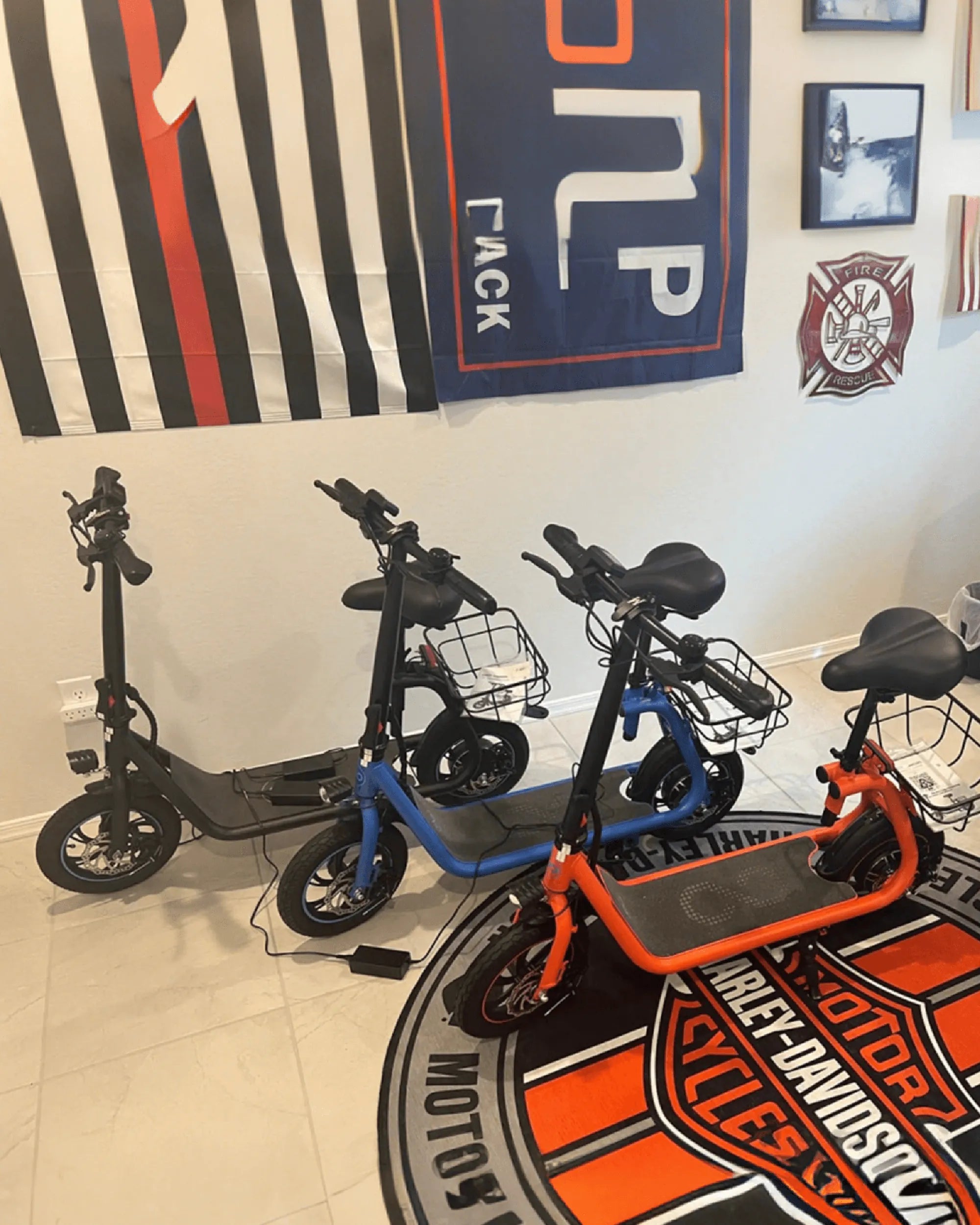
Introduction: The Rise of the Performance Electric Scooter
Performance electric scooters are no longer just toys or last-mile gadgets; they are sophisticated, high-powered vehicles engineered to replace car trips and transform urban commutes. This evolution addresses the core frustrations of modern city life: gridlocked traffic, soaring parking costs, and the environmental toll of internal combustion engines. Unlike basic models, these scooters deliver the speed, range, and durability required for serious daily transportation.
The future of urban mobility is agile, efficient, and electric. Performance electric scooters sit at the forefront of this shift, offering a compelling blend of practicality and exhilaration. Brands like Gyroor are leading this charge by integrating professional-grade components with rigorous safety standards, creating vehicles trusted by over 100,000 riders. This article will dissect what makes a scooter truly "performance," compare its real-world impact, and guide you toward a smarter commute.
What Defines a "Performance" Electric Scooter?
A performance electric scooter is distinguished by a suite of technical specifications that elevate it from a casual device to a primary mode of transport. It combines robust power, extended range, and commercial-grade durability to handle diverse urban terrains and commuting demands reliably. These scooters are built for adults seeking a legitimate alternative to cars, not just a supplement to public transit.
The benchmark is set by components that prioritize safety, longevity, and rider experience. This includes high-torque motors, large-capacity batteries from certified cells, advanced suspension, and hydraulic or dual disc braking systems. When these elements converge, the result is a vehicle capable of consistent, high-speed travel over distances that make car replacement a viable reality.
Power & Speed: Beyond Basic Commuting
Motor power is the heartbeat of a performance scooter. While commuter models often feature 250W to 350W motors, performance scooters start at 500W and can exceed 1000W or even 2000W for dual-motor configurations. This translates to top speeds typically ranging from 20 mph to over 40 mph, enabling riders to keep pace with urban traffic flow safely.
High wattage isn't just about top speed; it provides essential torque for acceleration from a stop and, crucially, for climbing steep inclines. A 500W motor may struggle on a 15% grade, but an 800W or 1000W motor will maintain speed and stability. This hill-climbing ability is a key differentiator, expanding the viable commute radius and making more neighborhoods accessible.
Range & Battery Technology: Going the Distance
Range anxiety disappears with a true performance scooter. Battery capacities for these models often range from 500Wh to over 1000Wh, enabling real-world ranges of 25 to 50 miles on a single charge. This comfortably covers most round-trip commutes and errand runs without needing a midday top-up.
The technology inside the battery pack is as important as its size. Performance electric scooters must use high-quality, UL-certified lithium-ion cells. Certification from Underwriters Laboratories (UL) is a non-negotiable safety benchmark, indicating the battery has passed rigorous tests for thermal stability, short-circuit protection, and long-term durability. Gyroor, for instance, equips all its models with these UL-certified packs, tested for 500+ charge cycles, ensuring both safety and sustained performance over years of use.
Build Quality & Durability: Built for the Real World
A performance scooter's frame must withstand daily punishment. Aerospace-grade aluminum alloys and reinforced carbon steel are standard, providing a rigid yet lightweight structure. The suspension system—often dual spring or hydraulic—is critical for absorbing bumps from potholes and uneven pavement, improving control and rider comfort at higher speeds.
Braking and weather resistance are paramount for safety. High-performance scooters employ disc brakes (mechanical or hydraulic) combined with electronic regenerative braking for confident stopping power. Furthermore, an IPX5 water-resistance rating is essential. This rating means the scooter can withstand water jets from any direction, making it resilient against rain, wet roads, and street cleaning. This durability is a core tenet of Gyroor's design philosophy, ensuring reliability in all-weather commuting.
Performance Scooters vs. Traditional Urban Transport: A Data-Driven Comparison
To understand the transformative potential of performance electric scooters, a direct comparison with conventional transport modes is essential. The advantages extend beyond convenience to measurable savings in time, money, and environmental impact. The following analysis uses aggregated data from urban transport studies to illustrate these differences clearly.
The agility of a scooter in dense urban cores fundamentally changes the commute calculus. While cars are stuck in traffic and transit is bound to schedules and routes, a scooter offers a direct, point-to-point journey. This section breaks down the key metrics of cost, time, and carbon footprint to demonstrate the compelling case for high-powered e-scooters as primary vehicles.
Cost-Per-Mile Analysis
The operational cost difference is staggering. A private car incurs costs for fuel, insurance, parking, maintenance, and depreciation. Public transit requires recurring fares. A performance electric scooter, however, runs on pennies of electricity.
Consider a 10-mile round-trip commute:
- Car: Fuel ($1.50), Parking ($10-$25), Wear & Tear (~$0.50) = $12-$27 per day.
- Public Transit: Average round-trip fare = $5-$10 per day.
- Performance E-Scooter: Electricity cost for 10 miles ≈ $0.05-$0.10. Annual savings can easily exceed $3,000 compared to car ownership.
Time Efficiency in City Cores
In congested downtown areas, average car speeds can drop below 10 mph. A performance scooter, using bike lanes and avoiding traffic, can maintain a consistent 15-20 mph door-to-door average.
For a 5-mile commute:
- Car: 30-45 minutes (with traffic and parking search).
- Transit: 35-50 minutes (including walk/wait/transfer time).
- Performance E-Scooter: 15-25 minutes (direct route, no parking delay). The time savings are profound and daily.
Environmental Impact Metrics
The environmental argument is clear-cut. Electric scooters produce zero direct emissions. Even when accounting for the electricity generation footprint and manufacturing, their lifecycle CO2 emissions are a fraction of a car's.
| Transport Mode | Grams CO2 per Passenger Mile* | Notes |
|---|---|---|
| Gasoline Car (Solo) | ~404 g | Average sedan, direct emissions only. |
| Bus (Public Transit) | ~200 g | Highly dependent on occupancy and fuel. |
| Performance E-Scooter | ~30 g | Includes grid electricity generation & manufacturing. |
Key Considerations Before Investing in a Performance E-Scooter
Selecting the right performance electric scooter requires aligning its specifications with your specific needs, local laws, and safety expectations. This is a significant investment in your daily mobility, and informed choices prevent disappointment and ensure a safe, enjoyable experience. The goal is to match the machine's capabilities to your personal commute profile.
Beyond raw power and speed, factors like terrain, legal restrictions, and essential safety features must guide your decision. A scooter that is illegal to ride in your area or cannot handle your route's hills is not a practical solution. This buyer's guide focuses on the critical, often overlooked, aspects of ownership.
Matching Specs to Your Commute & Terrain
Analyze your daily route. Distance and elevation are the primary determinants for battery and motor selection. For a hilly 10-mile commute, a 1000W motor and a 15Ah (approx. 675Wh) battery are a sensible minimum. For flatter, shorter trips, a 500W-800W motor may suffice.
Tire size and suspension matter for comfort and safety. Larger pneumatic (air-filled) tires (10"+) and dual suspension better absorb shocks from rough roads. Solid tires require less maintenance but offer a harsher ride. Your local road quality should inform this choice.
Safety Features You Shouldn't Compromise On
Never prioritize speed over safety. Essential features include:
- Lighting: A bright headlight, brake light, and side reflectors are mandatory for visibility.
- Braking: A dual braking system (e.g., disc + electronic) provides redundancy and shorter stopping distances.
- Battery Certification: As emphasized, insist on a UL-certified battery pack. This is the most critical component for preventing fire hazards.
- Water Resistance: An IPX5 rating or higher is necessary for all-weather capability and long-term electronics protection.
Understanding Local Laws & Regulations
E-scooter laws vary wildly by city, state, and country. Common regulations include:
- Speed Limits: Many cities cap scooter speed at 15-20 mph, even if the scooter can go faster.
- Helmet Laws: Often mandatory for all riders, or for those under a certain age.
- Where to Ride: Typically restricted to bike lanes and roads with speed limits under 25-35 mph; riding on sidewalks is frequently prohibited.
- Age & Licensing: Some regions require a driver's license and set a minimum age (often 16+).
The Gyroor Advantage: Engineering Trust into Every Ride
In a market filled with options, Gyroor distinguishes itself by building performance electric scooters that prioritize foundational safety and durability as much as exhilarating speed. The brand's philosophy centers on creating reliable vehicles that riders can trust for their daily commute, year after year. This is achieved through transparent engineering choices and a strong customer commitment.
With a product range of over 20 models and a community of 100,000+ riders, Gyroor's focus on UL-certification, IPX5 water-resistance, and comprehensive warranty support addresses the major concerns of performance scooter ownership. This approach transforms the scooter from a potential liability into a dependable asset for urban mobility.
UL-Certification: The Gold Standard in Battery Safety
UL certification is not a marketing term; it is an independent verification of safety. Gyroor's use of UL-certified battery packs means each cell and the entire pack assembly has been tested for electrical, mechanical, and environmental hazards. This drastically reduces the risk of thermal runaway—a leading cause of e-scooter fires.
For the rider, this translates to peace of mind when charging at home or office and confidence in the scooter's long-term health. A certified battery maintains its capacity over more charge cycles, protecting your investment. In an industry where battery quality is often opaque, Gyroor's commitment to this standard is a clear differentiator.
Built to Endure: The IPX5 Water-Resistance Standard
An IPX5 rating defines a scooter built for real-world conditions. It guarantees protection against low-pressure water jets from any angle. This means riding in light to moderate rain, through puddles, or on freshly washed streets will not compromise the scooter's electronic systems.
This durability is crucial for a vehicle meant for daily use. It prevents corrosion, electrical shorts, and motor damage, ensuring the scooter remains operational and safe through various weather conditions. Gyroor's adherence to this standard across its performance lineup means riders don't have to check the weather forecast before every commute.
Commitment Beyond the Sale: The 1-Year Comprehensive Warranty
Gyroor's 1-year warranty on the motor, battery, charger, and controller is a testament to the confidence in its build quality. This comprehensive coverage protects against manufacturing defects and component failures, significantly reducing the long-term cost and risk of ownership.
Backed by US-based customer support, this warranty ensures faster response times and easier access to service compared to brands with overseas-only support. It represents a full-cycle commitment, from purchase to daily use, aligning the brand's success with the rider's satisfaction over the long term.
Frequently Asked Questions (FAQ)
Prospective buyers often have practical concerns that can be the final barrier to purchase. These questions address safety, maintenance, and the real-world viability of replacing traditional transport with a performance electric scooter.
Are performance electric scooters safe for daily commuting?
Yes, when ridden responsibly and equipped with proper safety features. Key to safety is the scooter's build quality. Choose a model with a UL-certified battery, reliable dual braking, bright lights, and an IPX5 water-resistant rating. Always wear a helmet and appropriate protective gear, obey traffic laws, and ride defensively. A well-built scooter from a reputable brand like Gyroor, combined with safe riding practices, makes for a very secure commute.
How do I maintain and store a high-power e-scooter?
Regular maintenance is simple but crucial. Check tire pressure monthly, ensure bolts are tight, and keep the brakes properly adjusted. Clean the scooter with a damp cloth, avoiding direct water spray on ports. Store it in a dry place at room temperature, and avoid leaving the battery fully depleted or at 100% charge for extended periods; a 50-80% charge is ideal for storage. Following these steps will maximize the lifespan of your investment.
What happens if I need repairs or support?
This highlights the importance of buying from a brand with established support. Gyroor, for example, offers a 1-year comprehensive warranty and US-based customer service. For common wear items like tires, tubes, and brake pads, most brands (including Gyroor) make replacement parts readily available for purchase online. For more complex issues, the warranty and support network ensure you have a direct path to resolution.
Can a performance scooter truly replace my car for city trips?
For a significant portion of urban trips, absolutely. Studies show over 60% of car trips in the US are under 6 miles—a perfect distance for a performance e-scooter. For commuting, errands, and social trips within a 10-15 mile radius, a scooter offers superior time and cost efficiency. It may not replace a car for weekly grocery hauls or interstate travel, but it can dramatically reduce household dependence on a primary vehicle, saving thousands annually.
What's the real-world range I can expect from a performance model?
Manufacturer range estimates are based on ideal conditions (light rider, flat terrain, slow constant speed). Real-world range is affected by rider weight, hills, wind, temperature, and riding style (frequent acceleration uses more power). As a rule of thumb, expect 60-70% of the advertised maximum range for aggressive urban commuting. A scooter advertised for 40 miles will reliably deliver 25-30 miles for most riders, which is ample for multi-day commuting with nightly charging.
Conclusion: Embracing a Smarter, More Dynamic Commute
Performance electric scooters represent a fundamental shift in how we navigate our cities. They offer a solution that is not only efficient and economical but also genuinely enjoyable. The data is unequivocal: for urban mobility, they outperform cars in cost and time efficiency while drastically reducing environmental impact. The future they enable is one of less congestion, cleaner air, and more personal freedom.
This future, however, is built on a foundation of safety and reliability. The ideal performance electric scooter balances exhilarating power with non-negotiable engineering standards: UL-certified batteries, IPX5 water-resistance, robust frames, and dependable customer support. Gyroor embodies this philosophy, engineering trust into every model to empower riders with confidence for the long haul. The journey toward smarter urban mobility begins with choosing a vehicle designed not just to move you, but to move with you, reliably, for years to come.
Ready to experience the future of your commute? Browse the full Gyroor collection of high-performance, UL-certified electric scooters and e-bikes at gyroorboard.com.
Best Value Electric Scooters: Affordable and Reliable Rides for Everyone
Battery Powered Electric Scooters With Seat: The Ultimate Urban Commuting Solution