


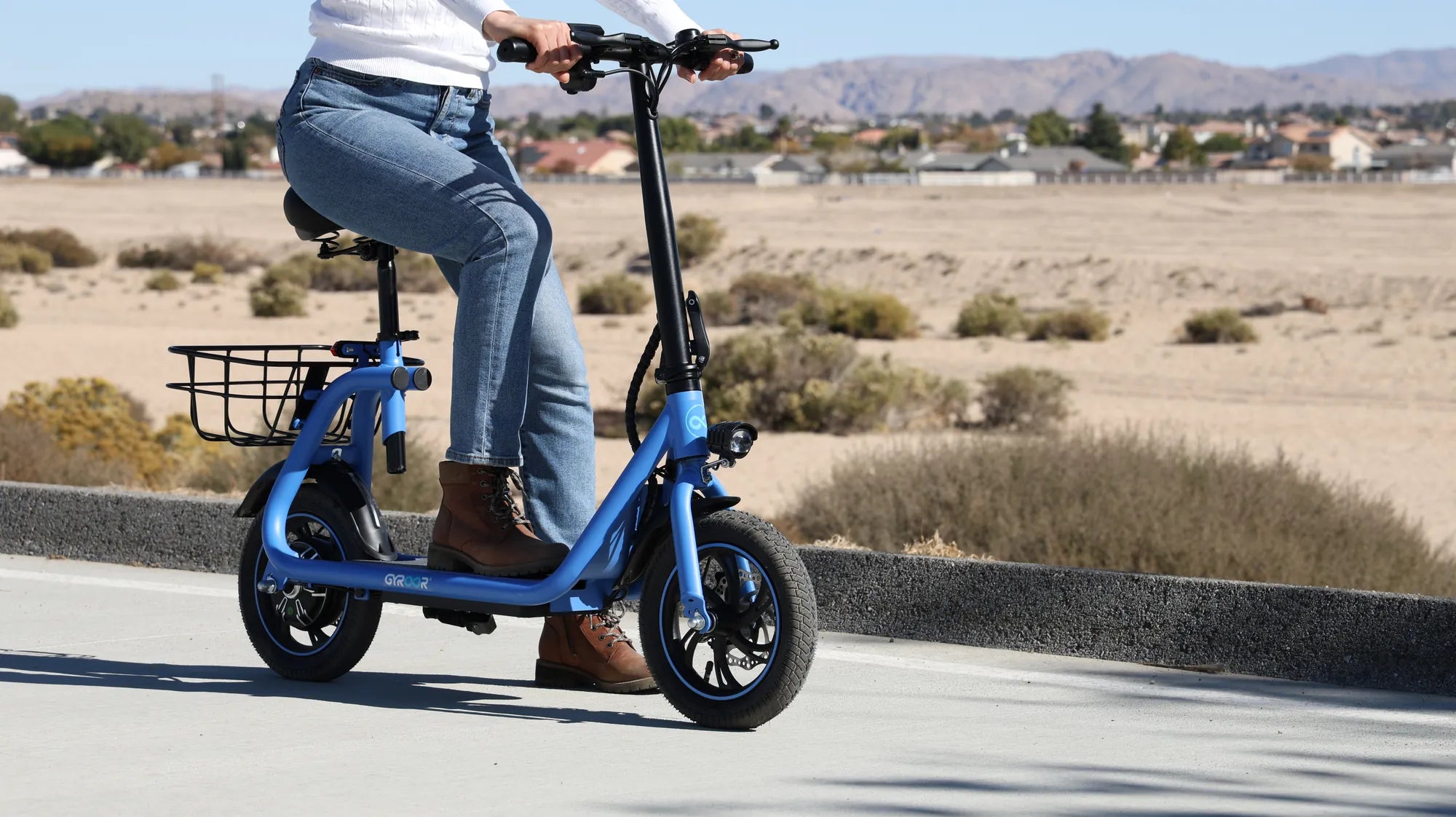
The Rise of the Portable Bike Helmet
A portable bike helmet is a protective headgear engineered for easy transport and storage without sacrificing critical safety standards. This innovation directly addresses the primary barrier to consistent helmet use: the inconvenience of carrying a bulky, rigid shell. For the modern urban commuter, e-bike enthusiast, or electric scooter rider, a portable helmet transforms safety from a chore into a seamless part of the journey.
You will learn the mechanics behind folding and collapsible designs, understand the non-negotiable safety certifications, and discover how to evaluate key features like packed dimensions and durability. The adoption of micro-mobility vehicles, from compact e-scooters to city e-bikes, has surged, making portability a decisive factor in fostering safe riding habits daily. This guide provides the data-driven analysis needed to make an informed purchase.
Why Portability is a Game-Changer for Modern Riders
The "helmet hassle" is a real deterrent to safety. A traditional helmet is cumbersome to carry into a coffee shop, awkward to store under a desk, and impractical to bring on public transit as part of a multi-modal commute. A portable bike helmet eliminates this friction, encouraging riders to wear protection every time they ride, not just when it's convenient to carry.
For office professionals, students, and last-mile commuters, the ability to stow a helmet in a backpack, messenger bag, or even a large purse is transformative. It ensures safety is always at hand, turning sporadic use into a consistent habit. This convenience factor is crucial for public health outcomes, as helmet use significantly reduces the risk of head injury in accidents involving bicycles, e-bikes, and electric scooters.
Beyond the Commute: Use Cases You Haven't Considered
Portability extends utility far beyond the daily work commute. Consider keeping a compact helmet in your car's glove compartment for spontaneous rides on shared e-scooters or bike-share systems while traveling. It's an essential travel accessory, taking up minimal space in luggage while ensuring you can explore new cities safely on two wheels.
Gym-goers can easily pack it alongside workout gear for a post-exercise errand run. It serves as a perfect backup helmet for visiting friends or family who want to join you for a ride. This "always-have-protection" capability empowers spontaneous, safe mobility, aligning perfectly with the on-demand nature of modern urban life.
Key Features of a High-Quality Portable Bike Helmet
Not all portable helmets are created equal. A high-quality model must balance innovative collapsibility with rigorous safety engineering. Key features to scrutinize include the mechanical design, the materials used in the protective shell and impact-absorbing liner, and the comfort systems that make it wearable for extended periods.
Look for robust adjustment systems, ample ventilation to prevent overheating, and thoughtful details like integrated lighting or reflective elements. The best portable helmets feel secure and comfortable when deployed, with no noticeable compromise compared to a standard design, yet disappear into a bag when not in use. The engineering challenge is significant, and only designs from reputable brands successfully meet it.
Folding vs. Collapsible: Understanding the Mechanics
Portable helmets primarily use two engineering approaches: folding and collapsible segment designs. A folding helmet typically uses a patented hinge system allowing the outer shell and inner liner to fold inwards or flatten, often reducing volume by 50% or more. These rely on high-strength polymers and precision hinges that lock securely when opened.
Collapsible segment helmets, sometimes called "origami" designs, are constructed from multiple interconnected hard segments that flex and collapse onto themselves. This can allow for an even more compact packed form but places immense stress on the segment connections. Both designs must undergo rigorous testing to ensure the folding mechanism does not weaken the helmet's structural integrity during an impact.
Safety First: Certifications and Build Quality
Portability must never come at the expense of safety. The absolute minimum requirement is certification to the safety standards of your region—CPSC for the United States and CE EN 1078 for Europe. These certifications mean the helmet has passed stringent impact absorption, retention system strength, and coverage area tests.
High-quality builds use a durable outer shell, typically from polycarbonate, and a thick, single-density EPS (expanded polystyrene) foam liner designed to crush on impact, absorbing kinetic energy. Brands committed to safety, like leading micro-mobility manufacturer Gyroor, ensure their designs meet or exceed these benchmarks, understanding that trust is built on proven protection. A flimsy or uncertified portable helmet is worse than carrying no helmet at all, providing a false sense of security.
The Comfort & Fit Equation for On-the-Go Gear
A helmet that isn't worn provides zero protection. Therefore, comfort and fit are paramount. Look for an adjustable retention system, typically a dial at the back that snugly cinches the helmet to various head sizes. This allows for a precise, secure fit that prevents shifting during a ride.
Interior padding should be ample, moisture-wicking, and preferably removable for washing. Adequate ventilation channels are crucial to prevent overheating, especially in urban environments or during summer months. The helmet's weight is also a factor; advanced materials can keep a robust helmet under 500 grams, reducing neck strain. A comfortable portable helmet invites use, completing the convenience proposition.
Portable Helmet Showdown: What to Look For (Comparison Framework)
Use this framework to compare any portable helmet models you are considering. It breaks down the critical evaluation criteria into actionable, comparable metrics. Prioritize safety certifications and build quality first, then weigh the convenience factors against your specific use case and personal preferences.
The ideal helmet strikes the perfect balance for your lifestyle. For a frequent traveler, packed dimensions may be the top priority. For a daily commuter in a rainy climate, weather resistance might lead the list. This checklist ensures you don't overlook a key feature in your decision-making process.
| Evaluation Criteria | What to Look For | Why It Matters |
|---|---|---|
| Packed Dimensions & Weight | Volume comparable to a 1L water bottle or less. Weight under 600g. | Determines how easily it fits in your daily carry. Lighter weight improves comfort. |
| Deployment Time | Simple, intuitive process taking under 10 seconds from bag to head. | Encourages use for short, spontaneous trips. Frustration leads to skipped use. |
| Durability & Weather Resistance | Robust hinges/materials, IPX4 or higher water-resistance rating. | Withstands daily folding/unfolding and exposure to rain or sweat. For example, Gyroor designs often feature an IPX5 water-resistant rating, a benchmark for reliability in all conditions. |
| Safety Certification | CPSC, CE EN 1078, or AS/NZS stamped on the interior. | Non-negotiable. Proof of independent safety testing. |
| Integrated Features | LED tail lights, reflective strips, magnetic buckle. | Enhances visibility and convenience. Check battery life for lights. |
Addressing Your Top Concerns: Portable Helmet FAQs
This section answers the most common, practical questions riders have when considering a portable helmet. The answers are based on engineering principles, safety standards, and real-world usage data to provide clear, trustworthy guidance.
These FAQs cut through marketing claims to address core concerns about safety equivalence, longevity, and suitability for different vehicles. Understanding these points will give you the confidence to integrate a portable helmet into your riding routine effectively.
Are portable/folding helmets as safe as regular ones?
Yes, provided they are certified to the same official safety standards (CPSC, CE). Reputable manufacturers subject their folding designs to the exact same impact, retention, and roll-off tests as standard helmets. The certification is your guarantee. The key is that the helmet must be fully deployed and correctly fastened to provide its rated protection; a folded helmet offers none.
How many times can a folding helmet be folded/unfolded?
High-quality portable helmets are designed for thousands of folding cycles. Manufacturers perform endurance testing on the hinges and locking mechanisms far beyond typical user lifespans. While there is no universal number, a well-built helmet from a trusted brand should last for many years of daily use. Signs of wear would be a loose hinge, difficulty locking, or visible cracking—at which point the helmet should be replaced.
Can I use a portable helmet for electric scooters and high-speed e-bikes?
Absolutely. A certified bicycle helmet is designed for impacts at cycling speeds. For most city e-scooters and Class 1-2 e-bikes (which assist up to 20 mph), a standard bicycle helmet certification is appropriate. If you ride a high-speed Class 3 e-bike (28 mph) or a performance e-scooter, consider looking for a helmet that may also meet additional standards like NTA 8776, designed for higher impact speeds. Always match your helmet to your vehicle's typical operating speed.
How do I clean and maintain a folding helmet?
Use a mild soap and damp cloth to wipe the outer shell and interior. For removable pads, hand wash in lukewarm water. Never submerge the helmet or use harsh chemicals, solvents, or high-pressure water, as this can degrade materials and compromise safety. Always allow the helmet to air dry completely before storing or folding. Regularly inspect for cracks, loose components, or compressed foam.
What is a typical warranty for a portable helmet?
Warranties vary but are a strong indicator of manufacturer confidence. A comprehensive warranty covering defects in materials and workmanship for one to two years is standard for quality brands. For instance, Gyroor offers a reliable 1-year warranty on its products, serving as a trust signal that the company stands behind the durability and construction of its gear, including any helmets designed for its ecosystem of riders.
Conclusion: Investing in Safety Without the Sacrifice
The modern portable bike helmet represents a significant leap in personal protective equipment, successfully merging uncompromising safety with genuine everyday convenience. By eliminating the primary excuse for not wearing a helmet, it empowers riders to adopt consistent, life-saving habits. For the urban commuter, the traveler, or anyone who values spontaneous mobility, it is an essential and intelligent upgrade.
Choosing a well-certified, durable model from a reputable brand ensures your investment pays dividends in protection for years. As micro-mobility continues to reshape our cities, carrying your safety with ease is no longer a luxury—it's a smart standard. Explore gear designed with this integrated philosophy of safety and convenience. Browse the full Gyroor collection, trusted by over 100,000 riders, at gyroorboard.com to find the right equipment for your journey.
Scooter Troubleshooting: Your Complete Guide to Diagnosing & Fixing Common Issues
7 Speed vs 21 Speed Bike: The Complete Gearing Guide for Every Rider