


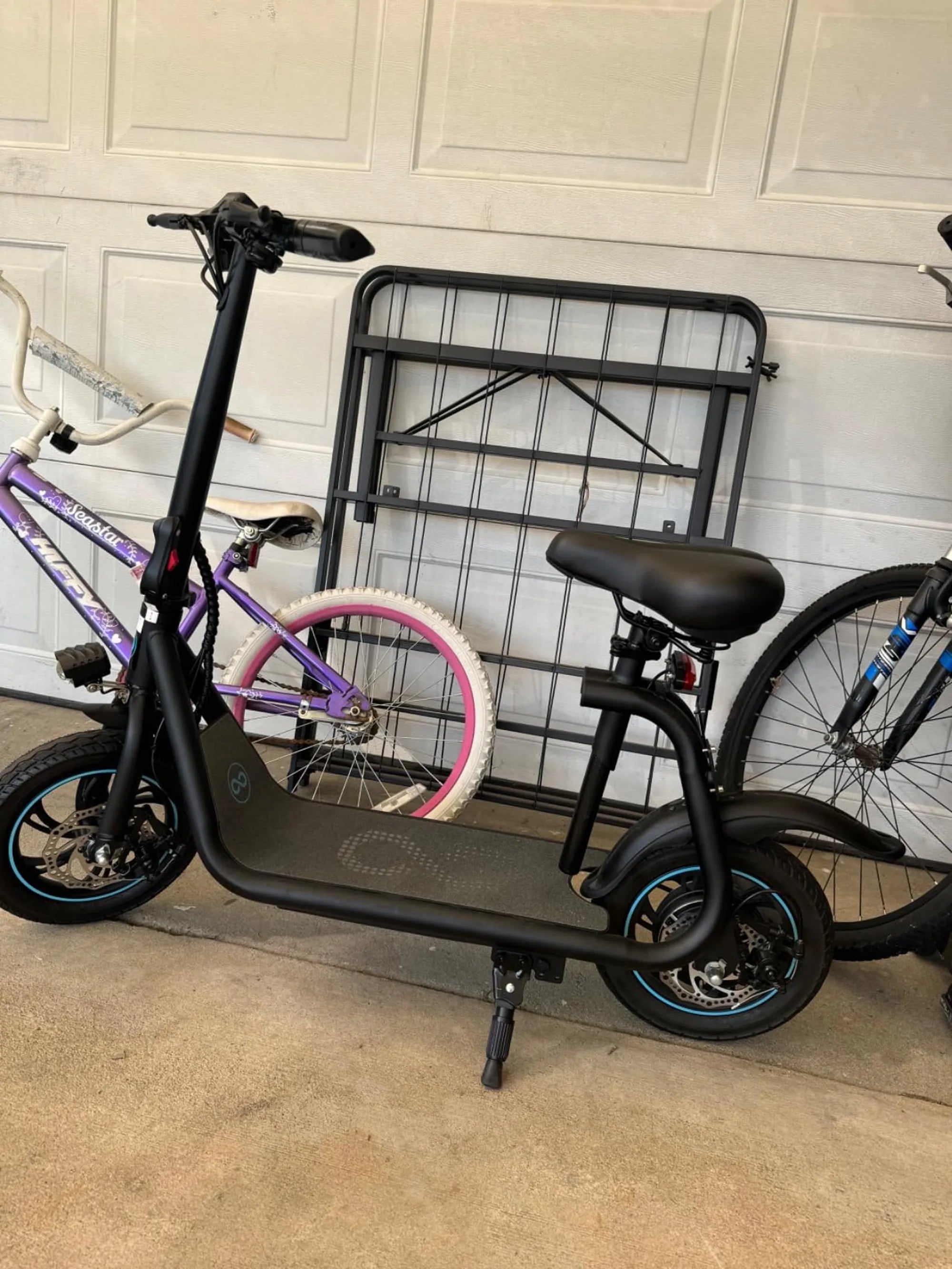
Introduction to Portable Mobility Scooters for Travel
A portable mobility scooter for travel is a compact, foldable electric scooter designed specifically to empower individuals with mobility challenges to explore the world. Unlike traditional bulky scooters, these models prioritize lightweight construction, easy disassembly, and airline-compliant batteries. The core benefit is regained independence, allowing users to navigate airports, cruise ships, and new cities with convenience and dignity.
This guide serves as your definitive resource for selecting the right travel companion. We will dissect the critical specifications that matter most when you're on the go. You'll learn how to interpret battery labels for airline travel, understand the trade-offs between different scooter types, and discover practical tips for seamless journeys from door to destination.
Choosing the wrong scooter can lead to denied boarding, physical strain, and limited mobility at your destination. Our goal is to provide the data-driven insights you need to make an informed decision. We'll move beyond marketing claims to focus on real-world performance, safety, and reliability for travelers.
By the end of this article, you will understand how a well-chosen portable mobility scooter for travel can transform your travel experience from a logistical challenge into an accessible adventure. Let's begin by breaking down the essential features that define a truly travel-ready model.
Key Features to Look for in a Travel-Ready Scooter
Selecting a portable mobility scooter for travel requires scrutiny of specifications that go beyond basic speed and range. Travel introduces unique stressors like airline weight limits, tight storage spaces, and variable terrain. The ideal scooter balances performance with extreme portability and ruggedness for life on the road.
Key metrics include total weight, folded dimensions, battery watt-hour (Wh) rating, and ground clearance. You must also consider the ease of the folding process itself—can it be done with minimal strength and dexterity? These factors collectively determine whether a scooter is a convenient travel aid or a cumbersome burden.
Ignoring even one of these core features can compromise your entire trip. A scooter that's too heavy may exceed airline limits for gate-checking. A model with a non-compliant battery could be refused at security. We will now explore each of these critical categories in detail to build your evaluation checklist.
Lightweight Frame and Folding Mechanism
The scooter's weight is arguably its most important travel attribute. The lightest travel scooters on the market weigh under 30 pounds, while mid-range models hover between 35 and 50 pounds. A weight under 35 lbs is generally considered ideal for easy lifting into a car trunk or overhead bin.
Frame material is the primary determinant of weight. Aircraft-grade aluminum alloys offer the best strength-to-weight ratio, providing durability without excessive heft. The folding mechanism should be simple, intuitive, and require no tools. Look for a one-step or two-step folding process that securely locks both in the open and closed positions.
Some advanced models feature a split-frame design, where the scooter separates into two even lighter pieces. This can be a significant advantage for those with limited lifting capacity. Always verify the claimed weight includes the battery, as this is often the heaviest single component.
Battery Life and Airline Compliance
Battery specifications are critical for both usability and travel approval. Capacity is measured in Amp-hours (Ah) or Watt-hours (Wh). For travel, the Wh rating is paramount because it directly relates to airline regulations. Most major airlines permit lithium-ion batteries with a rating of 300Wh or less, often requiring them to be carried in the cabin.
Real-world range depends on factors like rider weight, terrain, and speed. A scooter with a 10Ah battery may offer 10-15 miles per charge under ideal conditions. For travel, prioritize models with a removable, airline-compliant battery. This allows you to carry a spare (if airline policy permits) and charge the battery separately in a hotel room without bringing the entire scooter inside.
Battery safety certification is non-negotiable. Reputable brands use UL-certified battery packs, which have undergone rigorous testing for short-circuit, overcharge, and thermal stability. This certification is a strong indicator of quality and significantly reduces risk during air travel.
Portability: Dimensions and Transport
Portability is defined by the scooter's folded dimensions (Length x Width x Height). A truly portable mobility scooter for travel should fold into a compact package. Ideal folded dimensions are close to 18" x 18" x 36" or smaller, allowing it to fit in a car trunk, be stored in a cruise ship cabin closet, or potentially be placed in an overhead bin.
Many models are designed to be rolled like luggage when folded, thanks to built-in wheels on the frame. This "roll-aboard" feature is invaluable for navigating long airport terminals. Always compare the product's folded dimensions to the storage space you'll have available, whether it's a rental car, a train compartment, or a tour bus luggage hold.
Consider the transport handle. A sturdy, ergonomic handle makes maneuvering the folded scooter significantly easier. Some handles even telescope or fold away to minimize the overall footprint. This attention to detail separates travel-optimized designs from standard portable models.
Ride Comfort and Terrain Handling
Travel often involves mixed surfaces: smooth airport floors, carpeted hotel lobbies, and potentially cracked sidewalks or light gravel paths. Your scooter must handle these variations comfortably. Suspension systems, even simple spring-based ones, absorb shocks and provide a smoother ride, reducing fatigue.
Tire choice is crucial. Pneumatic (air-filled) tires offer superior cushioning and traction on uneven surfaces but require maintenance and can go flat. Solid (airless) tires are maintenance-free and puncture-proof but provide a firmer, less comfortable ride. For most travelers, a hybrid approach with front suspension and solid rear tires offers a good balance.
Seat comfort and adjustability are vital for longer excursions. Look for a padded, swivel seat with adjustable height and depth. The tiller (steering column) should also be adjustable to fit your arm length. These ergonomic features ensure you can enjoy full-day sightseeing without discomfort.
Comparing Top Portable Mobility Scooter Types
Not all portable scooters are created equal for travel. The market offers distinct types, each with strengths and trade-offs. Understanding these categories helps you match a scooter to your specific travel style, physical needs, and destination profile. The primary differentiators are the number of wheels, weight class, and intended use case.
Three-wheel scooters typically offer a tighter turning radius, making them more maneuverable in crowded indoor spaces like museums or shops. Four-wheel models provide enhanced stability, especially on slopes or uneven ground, but may have a wider turning circle. Ultra-lightweight models sacrifice some range and comfort for maximum portability.
The following table provides a clear, data-driven comparison of the three main portable mobility scooter for travel types. Use this as a starting point to narrow your focus based on which attributes are most critical for your adventures.
| Type | Avg. Weight | Key Features | Best For Travelers Who... | Potential Limitations |
|---|---|---|---|---|
| Ultra-Lightweight (3-Wheel) | 28-35 lbs | Fastest fold, smallest footprint, often under 300Wh battery. | Prioritize easy lifting/carrying, fly frequently, use mainly on smooth surfaces. | Lower weight capacity, less comfort on rough terrain, smaller battery range. |
| Mid-Weight All-Terrain (4-Wheel) | 45-65 lbs | Larger tires, suspension, higher weight capacity, longer range. | Plan outdoor excursions, need more stability, value comfort over ultra-portability. | Heavier to lift, may require gate-check on planes, bulkier when folded. |
| Heavy-Duty Portable | 65-85 lbs | Highest weight capacity (400+ lbs), robust frame, powerful motor. | Require a bariatric-rated scooter but still need some level of disassembly for transport. | Significantly heavier, often requires two-part disassembly, not carry-on portable. |
This comparison highlights that the "best" portable mobility scooter for travel is highly personal. An avid cruiser who mainly navigates ships and ports might choose an ultra-lightweight model. A traveler planning a national park road trip might opt for a mid-weight all-terrain scooter for its comfort and capability. Always cross-reference these types with the key features discussed previously.
The Gyroor Advantage: Engineering for Confident Travel
When evaluating brands for a critical travel aid, engineering philosophy and quality control are paramount. Gyroor designs its personal mobility products with a rider-first approach, focusing on safety, durability, and real-world usability. This ethos directly translates to scooters that are reliable travel companions, built to handle the rigors of transit and provide peace of mind far from home.
As a leader trusted by over 100,000 riders across North America and Europe, Gyroor understands that a travel scooter is more than a product—it's a key to independence. Their models incorporate specific features that address common traveler pain points, from unpredictable weather to the strict safety protocols of air travel. Let's examine how these brand strengths create a tangible advantage for the traveler.
Safety First: UL-Certified Battery Packs
The heart of any electric scooter is its battery, and for travel, its safety is non-negotiable. Every Gyroor scooter is powered by a UL-certified lithium-ion battery pack. This certification means the battery has passed independent safety tests conducted by Underwriters Laboratories, a global safety science leader.
These tests evaluate the battery's resilience to overcharging, short-circuiting, extreme temperatures, and impact. For a traveler, this translates to reduced risk during flight, where changes in air pressure and temperature occur. It also means confidence when leaving the scooter charging in a hotel room overnight. Airlines and cruise lines look favorably on certified components, smoothing your check-in process.
Furthermore, Gyroor batteries are engineered for 500+ charge cycles while maintaining significant capacity. This longevity ensures your scooter's range remains consistent trip after trip, protecting your investment and eliminating surprise battery failures during a vacation.
Built for the Real World: IPX5 Water Resistance
Travel is unpredictable. A sudden rain shower on a European tour, puddles on a cruise ship deck after cleaning, or spray from a fountain can instantly damage electronics not built for moisture. Gyroor scooters feature an IPX5 water-resistant rating on critical components.
An IPX5 rating means the scooter's electrical parts can withstand water jets from any direction. You won't need to panic if caught in a downpour or if the scooter needs a quick rinse after a day at the beach. This durability is a direct response to real travel scenarios, ensuring a minor weather event doesn't strand you or lead to costly repairs while abroad.
This feature also speaks to overall build quality. A chassis designed to keep water out is also better at keeping dust and debris out, which contributes to the long-term reliability and reduced maintenance needs of the scooter—a major benefit when you're away from your usual service providers.
Worry-Free Journeys: The 1-Year Comprehensive Warranty
Travel inherently involves planning for the unexpected. Gyroor supports this mindset with a robust 1-year comprehensive warranty covering the scooter's frame, electronics, and motor. For travelers, this warranty is a safety net, providing access to repair services or replacement parts should a manufacturing defect arise.
The value of a strong warranty from an established brand cannot be overstated. It means you have a point of contact for support, whether you're at home or on the road. Many travelers report greater peace of mind knowing that a reputable company stands behind their mobility aid, compared to purchasing an unbranded or generic model with unclear support channels.
This commitment to post-purchase support aligns with Gyroor's mission to empower riders. It transforms the scooter from a disposable commodity into a dependable tool for exploration, backed by a company invested in your continued mobility.
Practical Travel Tips and Best Practices
Owning the right portable mobility scooter for travel is only half the equation. Knowing how to travel with it effectively is the other. Proper planning and on-the-road practices ensure a smooth experience from departure to return. These tips are distilled from the experiences of frequent travelers and industry guidelines.
Success hinges on preparation. Contacting transportation providers in advance, understanding your scooter's specifications cold, and packing a small toolkit can prevent most common issues. The goal is to anticipate needs rather than react to problems, allowing you to focus on enjoying your trip.
Before You Go: Planning and Packing
Start by contacting your airline, cruise line, or other transport providers at least 72 hours before departure. Confirm their specific policies for mobility devices: battery Wh limits, check-in procedures, and whether the device can be used up to the gate. Have a printed copy of your scooter's specification sheet, highlighting the battery details.
Pack a small travel kit. Include the battery charger, a tire pressure gauge and compact pump (if using pneumatic tires), a multi-tool for minor adjustments, and a copy of the user manual. Consider a protective cover or bag to shield the scooter from scratches during baggage handling. Also, research repair shops at your destination that service your brand, just in case.
Book accessible accommodations. Confirm door widths, bathroom accessibility, and that there's a safe, dry place to store and charge your scooter. A little research prevents arriving at a charming but inaccessible historic hotel with steps at every entrance.
Navigating Transit: Airports, Cruises, and Hotels
At the airport, use the special assistance lane at security. You can typically remain in your scooter until you reach the scanner. Inform the gate agent that you will need a gate-check tag for your scooter. They will usually provide a durable tag and instruct you to leave the scooter in the jet bridge just before boarding. Retrieve it in the same spot upon landing.
On a cruise, notify the accessibility officer upon embarkation. Your scooter must be stored in your cabin, as hallways are emergency evacuation routes. Practice folding and maneuvering it in the cabin space. Be mindful of charging; only use the cabin's outlets and never leave the battery charging unattended for extended periods.
In hotels, use the scooter to explore but be courteous in crowded lobbies and elevators. When parked in your room, position it so it doesn't block the path to the bathroom or door. Use the "Do Not Disturb" sign if housekeeping is scheduled, to ensure the scooter and charger are not accidentally unplugged or moved.
Daily Use and Maintenance on the Road
Establish a daily charging routine. Plug in the scooter every night, even if the battery isn't fully depleted. This ensures you start each day with a full charge. Use only the manufacturer-provided charger to avoid damage. If your scooter has a removable battery, you can often charge it separately without bringing the entire scooter to an outlet.
Perform a quick pre-ride check: verify tire pressure, test the brakes, and ensure the frame is fully locked in the open position. Keep the scooter clean; its IPX5 rating allows you to wipe it down with a damp cloth to remove dust and dirt accumulated during a day of sightseeing.
Be mindful of terrain. While many travel scooters are robust, avoid obvious hazards like deep sand, large curbs without a ramp, and steep inclines beyond the scooter's rated gradeability. Planning your route using accessible maps can help avoid obstacles and ensure a pleasant, stress-free day of exploration.
Frequently Asked Questions (FAQ)
Q: Can I take my portable mobility scooter for travel on an airplane as a carry-on?
A: It depends on the airline's specific policy and the scooter's folded dimensions. Most airlines require mobility devices to be gate-checked. However, some ultra-compact models that fold to the size of a small suitcase (approx. 18"x18"x36") and fit in the overhead bin may be allowed as carry-on, subject to space availability. You must always check with your airline in advance.
Q: How do I know if the battery is airline-compliant?
A>Check the battery label or the scooter's manual for the Watt-hour (Wh) rating. The vast majority of airlines follow IATA guidelines, permitting lithium-ion batteries with a rating of 300Wh or less. The battery must also be securely attached to the scooter or, if removable, carried in the cabin. Having documentation (like the spec sheet) showing the Wh rating is highly recommended.
Q: What is the real-world range I can expect on a single charge?
A>Manufacturer-stated range is achieved under ideal laboratory conditions. In real-world travel, expect 60-70% of the advertised range. Factors that reduce range include: higher rider weight, frequent stopping/starting, inclines, cold weather, and soft surfaces like carpet or grass. For a scooter advertised for 15 miles, plan for a comfortable range of 9-11 miles between charges.
Q: Is assembly required after unfolding the scooter?
A>True travel-optimized scooters require minimal to no assembly. The best models use a one-step unfolding mechanism where the frame locks into place and the seat simply clicks on. You should not need tools. Some heavier-duty models that split into two pieces may require connecting a few plugs and locking levers. Always practice the fold/unfold process at home before your trip.
Q: How does the warranty work if I have a problem while traveling?
A>First, contact the manufacturer's customer support. Reputable brands like Gyroor have support channels (email, phone) to help diagnose issues remotely. If a part needs replacement, they can often ship it to your location. For major repairs, you may need to locate an authorized service center. This is why purchasing from a brand with a wide service network and clear warranty terms is crucial for travelers.
Conclusion: Empowering Your Next Adventure
The journey to finding the perfect portable mobility scooter for travel centers on a careful balance of specifications: weight, foldability, battery compliance, and real-world durability. By prioritizing these features and understanding how they interact with different travel scenarios, you can select a scooter that acts as a true enabler rather than a limitation. The data and comparisons provided here give you the framework to move beyond marketing and make a choice based on evidence.
Remember that the right scooter does more than provide transportation; it restores agency. It allows you to explore a foreign market, keep pace with family on a tour, or simply enjoy the freedom of moving independently through a new environment. Features like UL-certified batteries and water-resistant construction are not mere checkboxes—they are foundational elements of travel-ready confidence.
Your adventures await, unimpeded. With thorough preparation and a reliable mobility partner, the world becomes more accessible. The barriers that once seemed daunting can be navigated with ease, opening up a lifetime of memories. Take the insights from this guide, define your personal travel needs, and choose a scooter that empowers you to see more, do more, and experience more.
Ready to explore your options? Browse the full Gyroor collection of UL-certified, travel-conscious electric scooters and e-bikes at gyroorboard.com. Discover models engineered for safety, durability, and the spirit of adventure.
90cc Scooter: The Complete Guide to Modern Urban Mobility Solutions
120 Scooter Wheels: The Urban Commuter's Sweet Spot