


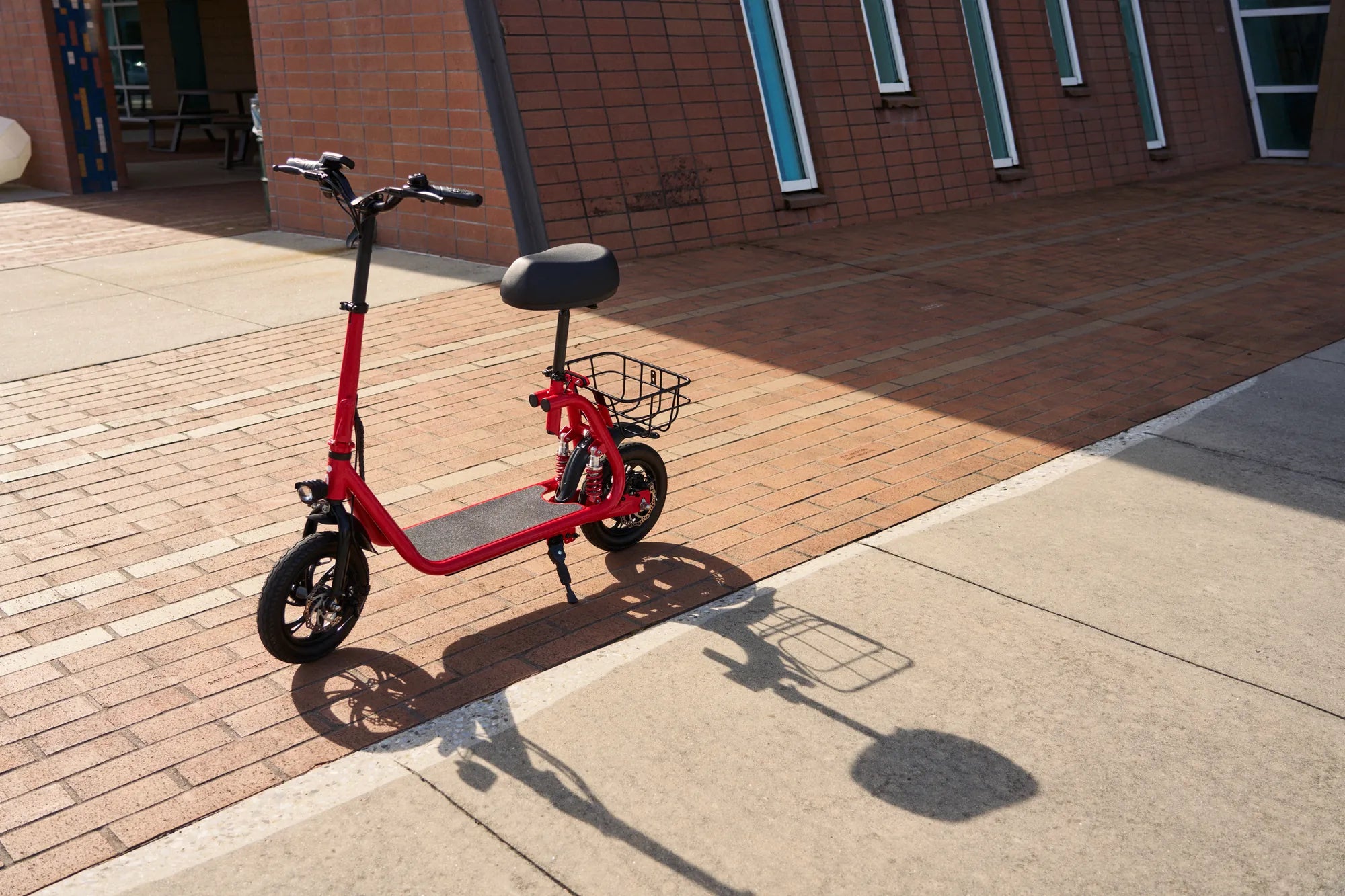
The electric bike revolution is here, and publicly traded electric bike companies are leading the charge. As urban populations grow and environmental concerns mount, these innovative firms are reshaping how we think about transportation. With sleek designs, cutting-edge technology, and eco-friendly credentials, electric bikes are no longer just a niche product—they're becoming mainstream mobility solutions.
The Electric Bike Market Boom
The global electric bike market has experienced explosive growth in recent years. Analysts project the industry will continue its upward trajectory as more consumers embrace sustainable transportation options. Publicly traded electric bike companies stand at the forefront of this movement, benefiting from increased investor interest and growing public awareness.
Factors Driving Market Growth
- Urbanization and traffic congestion in major cities worldwide
- Government incentives for eco-friendly transportation
- Improved battery technology and longer range capabilities
- Changing consumer preferences toward sustainable lifestyles
- Rising fuel costs making electric alternatives more attractive
Investment Landscape for Electric Bike Companies
Publicly traded electric bike companies offer investors unique exposure to the sustainable mobility sector. These firms range from pure-play electric bike manufacturers to diversified transportation companies with significant electric bike divisions. The investment thesis for these companies centers on several key factors:
| Investment Consideration | Potential Impact |
|---|---|
| Market Expansion | Growing adoption in North America and Europe |
| Technological Innovation | Advances in battery efficiency and smart features |
| Regulatory Support | Government policies favoring electric mobility |
| Competitive Landscape | Differentiation through design and performance |
Challenges Facing the Industry
While the outlook for publicly traded electric bike companies appears promising, several challenges could impact growth. Supply chain disruptions, particularly for lithium-ion batteries, remain a concern. Additionally, varying regulations across different markets create complexity for companies operating globally. Some cities have implemented restrictions on where electric bikes can operate, while others offer subsidies to encourage adoption.
Key Challenges Include:
- Battery production and raw material sourcing
- Safety standards and certification requirements
- Competition from other micro-mobility solutions
- Price sensitivity in certain consumer segments
- Infrastructure limitations in some regions
The Future of Electric Bike Companies
Looking ahead, publicly traded electric bike companies are well-positioned to capitalize on several emerging trends. The integration of smart technology, including GPS tracking and anti-theft systems, adds value for consumers. Subscription models and bike-sharing programs present additional revenue streams. As cities continue to invest in cycling infrastructure, the addressable market for electric bikes will expand significantly.
The electric bike revolution shows no signs of slowing down, and publicly traded companies in this space offer investors a unique opportunity to participate in the sustainable transportation movement. With technological advancements, favorable regulatory trends, and shifting consumer preferences, these firms are pedaling toward a brighter, cleaner future—one revolution at a time.
Electric Bike Battery Adapter: The Ultimate Guide to Compatibility and Performance
Electric Pocket Bike for Sale: The Ultimate Urban Mobility Solution