


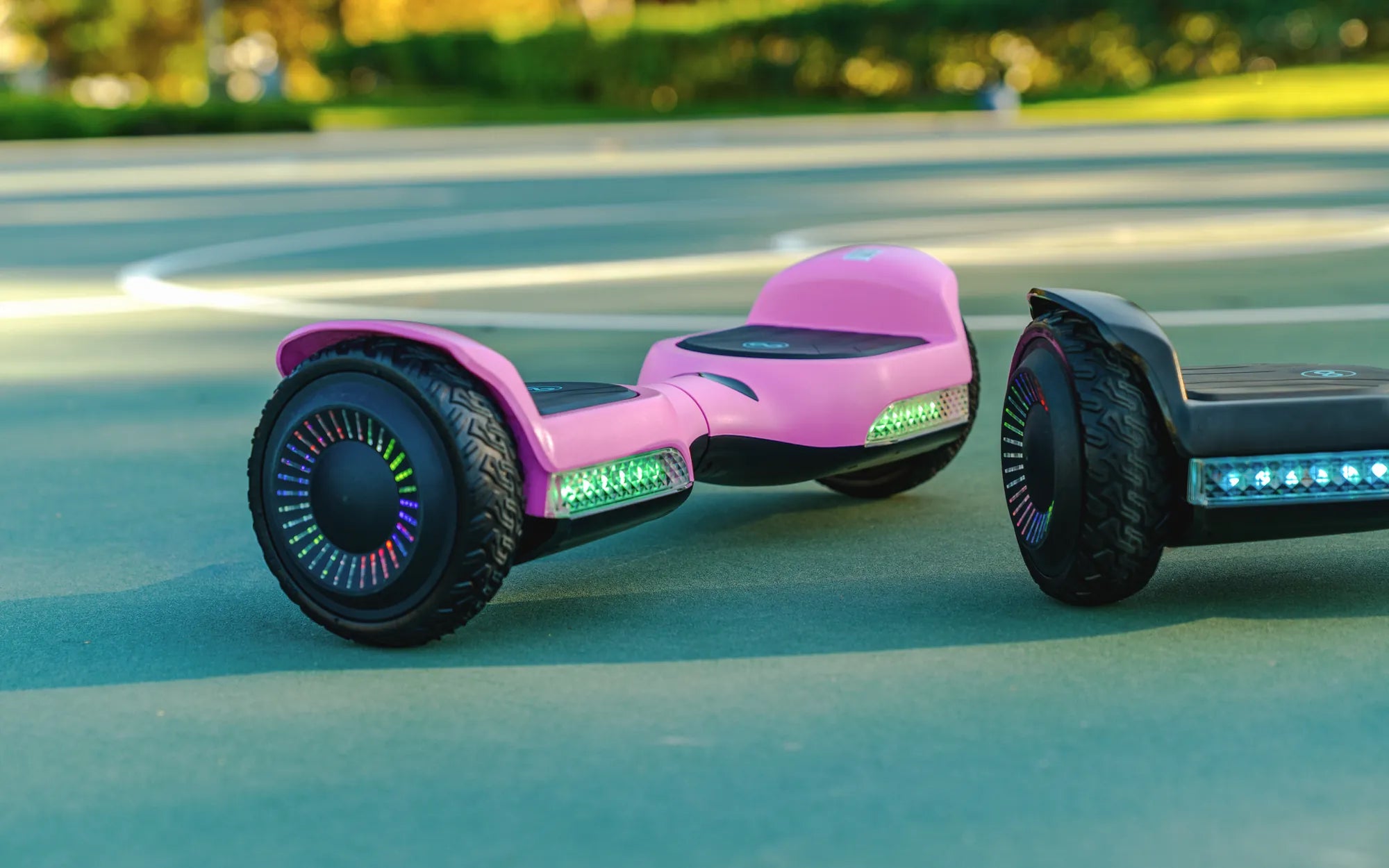
Hoverboards are one of the most exciting personal transportation devices to hit the market in recent years. Whether you're a tech enthusiast, a commuter looking for a fun way to get around, or a parent considering one for your child, you likely have questions about hoverboards. How do they work? Are they safe? What should you look for when buying one? This article dives deep into everything you need to know.
How Do Hoverboards Work?
Hoverboards, despite their futuristic name, don't actually hover. They are self-balancing scooters that rely on gyroscopic technology to stay upright. Sensors detect the rider's movements, and the internal motors adjust the wheels accordingly to maintain balance. The rider leans forward to move ahead, backward to slow down or reverse, and shifts their weight to turn.
Are Hoverboards Safe?
Safety is one of the biggest questions about hoverboards. Early models faced issues with overheating and even catching fire, but modern hoverboards adhere to stricter safety standards. Look for certifications like UL 2272, which ensures the device meets electrical and fire safety requirements. Always wear protective gear, such as a helmet and knee pads, and avoid riding on uneven or wet surfaces.
What Age Is Appropriate for a Hoverboard?
Most hoverboards are designed for riders aged 8 and up, but it's essential to consider the child's coordination and maturity. Younger riders should always be supervised, and it's a good idea to start in a safe, open area. Some models have speed limits or beginner modes to help new riders get accustomed to the device.
How Fast Can Hoverboards Go?
The speed of a hoverboard depends on the model, but most average between 6 to 10 mph. High-performance models can reach up to 12 mph or more. Speed settings can often be adjusted via a companion app, allowing riders to choose a comfortable pace.
How Far Can a Hoverboard Travel on a Single Charge?
Battery life is another common concern among questions about hoverboards. On average, a hoverboard can travel between 10 to 15 miles per charge, though this varies based on factors like rider weight, terrain, and speed. Charging typically takes 2 to 4 hours, so it's best to plan ahead for longer trips.
Can Hoverboards Be Used on All Terrains?
Standard hoverboards are designed for smooth, flat surfaces like sidewalks or indoor floors. However, all-terrain models with larger, rugged tires are available for those who want to ride on grass, gravel, or dirt. Always check the manufacturer's recommendations before taking your hoverboard off-road.
What Should You Look for When Buying a Hoverboard?
When shopping for a hoverboard, consider the following:
- Safety certifications (e.g., UL 2272)
- Battery life and charging time
- Weight capacity to ensure it can support the rider
- Tire type (standard or all-terrain)
- Additional features like Bluetooth speakers or LED lights
Are Hoverboards Legal?
Laws regarding hoverboards vary by location. Some cities and states classify them as motorized vehicles, requiring riders to follow specific rules, such as staying off sidewalks or wearing helmets. Always check local regulations before riding in public spaces.
How Do You Maintain a Hoverboard?
Proper maintenance can extend the life of your hoverboard. Keep it clean, avoid exposing it to extreme temperatures, and store it in a dry place. Regularly check the tires for wear and tear, and ensure the battery is charged at least once every few months if not in use.
Hoverboards are a thrilling way to zip around town, but it's natural to have questions about hoverboards before taking the plunge. By understanding how they work, their safety features, and what to look for when buying one, you can ride with confidence and enjoy the futuristic fun they offer. Ready to glide into the future?
Hoverboards with Training Mode: The Ultimate Guide for Beginners and Experts
Safety Gear for Hoverboards: Essential Protection for Riders of All Ages