

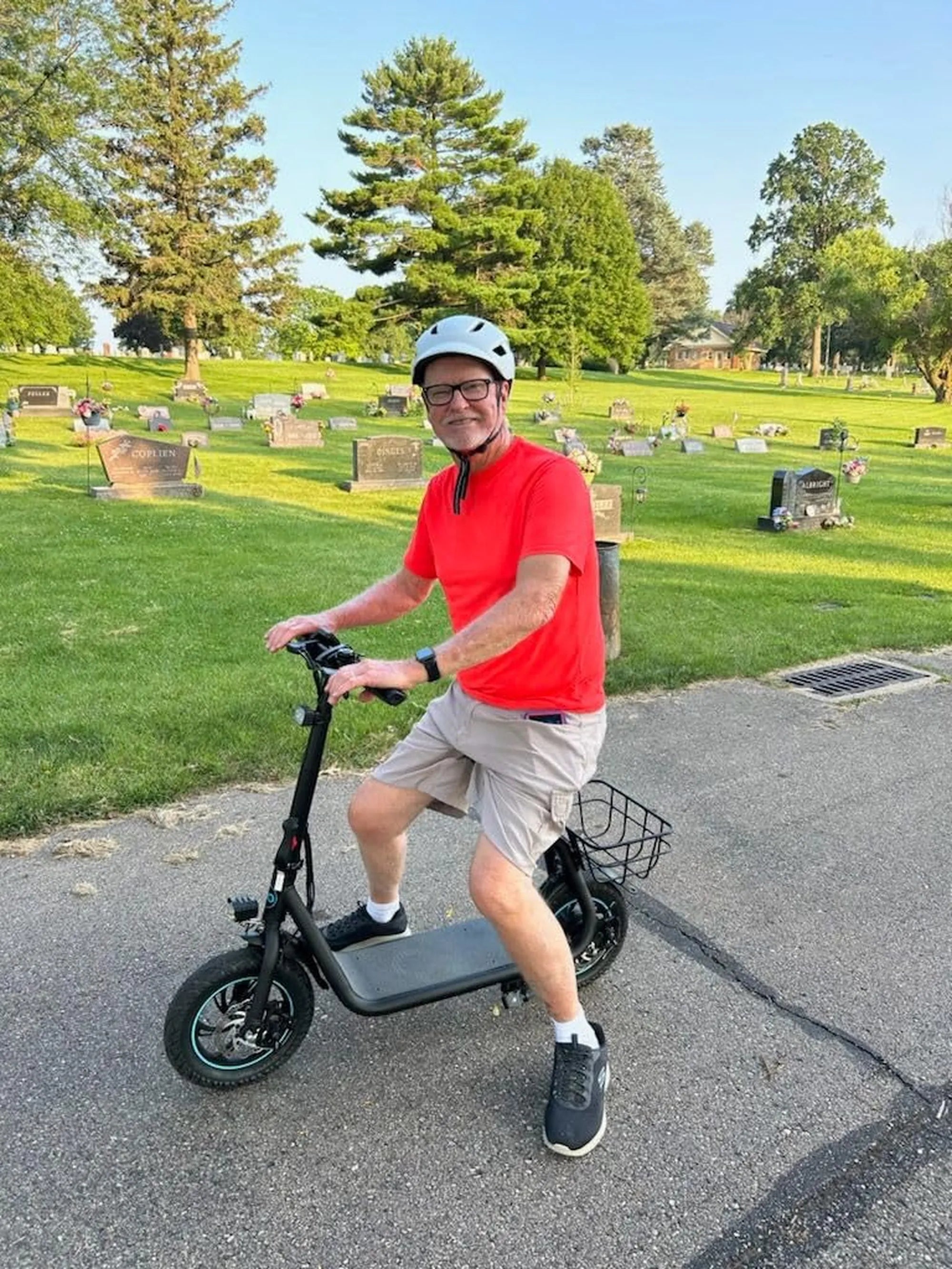
Electric scooters have revolutionized urban mobility, offering a convenient and eco-friendly alternative to traditional transportation. But what happens when you remove the speed limit on an electric scooter? The idea of unlocking higher speeds is tempting, but it comes with significant risks and legal considerations. This article explores the hidden potential and dangers of modifying your scooter for increased speed.
Why Remove the Speed Limit on an Electric Scooter?
Many riders are drawn to the idea of removing speed limits to enhance their riding experience. Faster speeds can make commuting quicker, and for some, it adds an element of thrill. However, before making any modifications, it's crucial to understand why manufacturers impose speed limits in the first place.
Safety First: Manufacturer Restrictions
Electric scooters are designed with speed limits to ensure rider safety and comply with local regulations. Higher speeds increase the risk of accidents, especially in crowded urban areas. Manufacturers also consider battery life and motor durability when setting these limits.
Performance vs. Risk
While removing the speed limit can improve performance, it also strains the scooter's components. The motor, battery, and braking system may not be designed to handle excessive speeds, leading to premature wear or even failure.
Legal Implications of Removing Speed Limits
Modifying an electric scooter to exceed legal speed limits can have serious consequences. Many regions classify scooters based on their maximum speed, and tampering with these limits may result in fines or confiscation.
Local Regulations and Penalties
Laws vary by location, but most areas impose strict rules on electric scooter speeds. Riders caught with modified scooters may face penalties, including fines or loss of riding privileges. Always check local laws before making any changes.
Technical Challenges of Removing Speed Limits
Removing a speed limit isn't as simple as flipping a switch. It often requires technical knowledge and may void the scooter's warranty. Here are some common methods and their potential pitfalls.
Software Modifications
Some scooters allow speed adjustments through software. However, unauthorized modifications can corrupt the system or trigger safety locks, rendering the scooter unusable.
Hardware Upgrades
Upgrading components like the motor or battery can increase speed, but mismatched parts may cause overheating or electrical failures. Professional installation is recommended to avoid damage.
Safety Risks of High-Speed Riding
Riding at higher speeds amplifies the risks of accidents and injuries. Without proper safety gear and training, riders are more vulnerable to collisions and loss of control.
Braking Distance and Stability
Faster speeds require longer braking distances. Many stock scooters lack the braking power to stop safely at high speeds, increasing the likelihood of crashes.
Protective Gear Essentials
If you choose to ride at higher speeds, investing in high-quality helmets, knee pads, and gloves is non-negotiable. Protective gear can mean the difference between a minor scrape and a serious injury.
Alternatives to Removing Speed Limits
If you're seeking better performance without compromising safety, consider these alternatives.
Optimizing Battery and Tire Pressure
Maintaining optimal tire pressure and battery health can improve efficiency and speed without modifications. Regular maintenance ensures peak performance.
Upgrading to a Higher-Performance Model
Instead of modifying your current scooter, investing in a model designed for higher speeds may be a safer and more legal option.
Removing the speed limit on an electric scooter might seem like a quick way to boost performance, but the risks far outweigh the rewards. From legal troubles to safety hazards, the consequences are not worth the thrill. Before making any changes, weigh the pros and cons carefully—your safety and legality depend on it.
Electric Bike with Sound Effects: The Future of Fun and Safe Riding
Electric Bike with Sound Effects: The Future of Fun and Safe Riding