

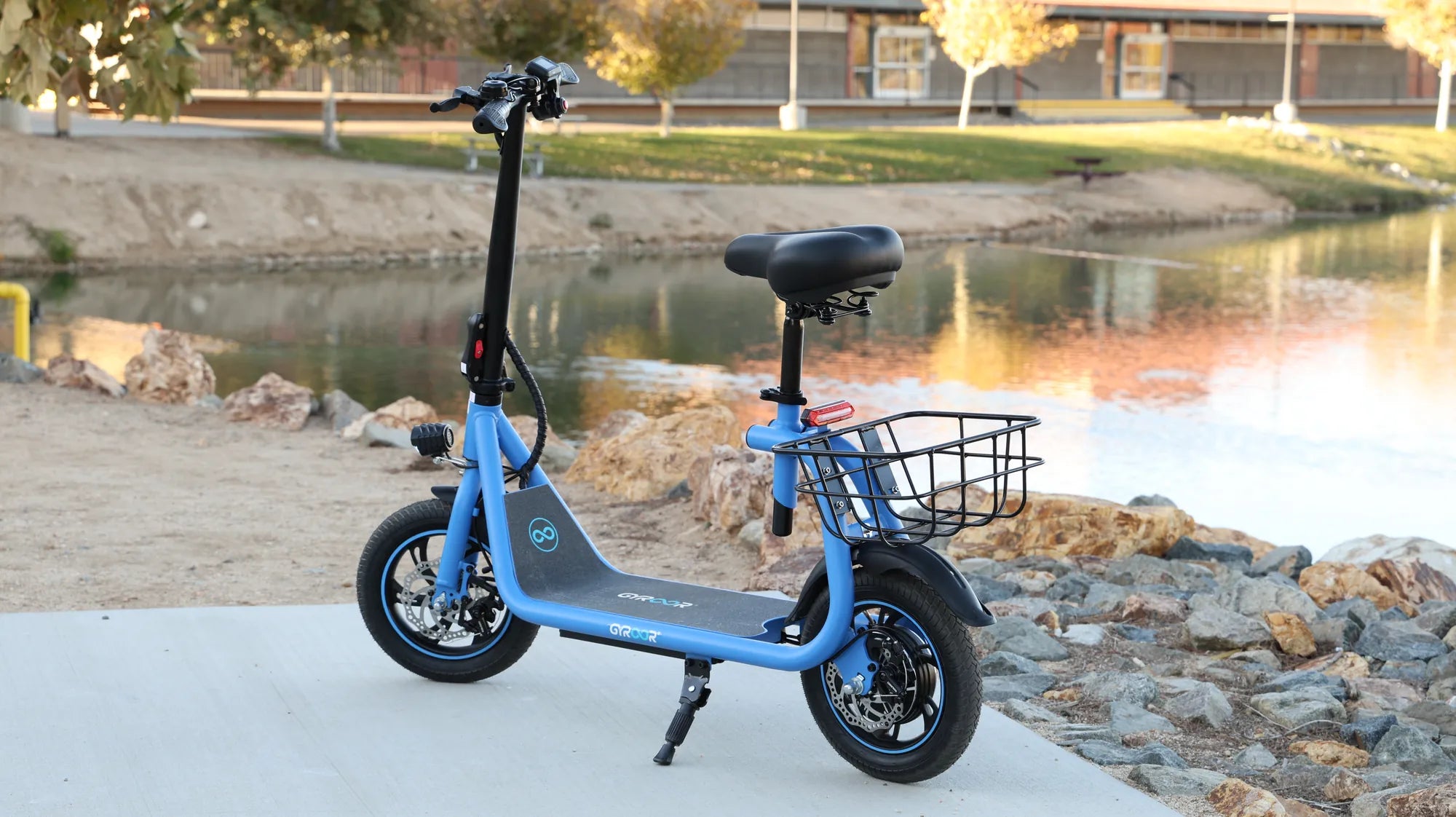
There's something undeniably joyful about riding a tricycle. Whether you're a child experiencing the thrill of your first ride or an adult rediscovering the simplicity of three wheels, tricycles offer a unique blend of fun, exercise, and nostalgia. In this article, we'll explore the many benefits of riding a tricycle, from improved physical health to mental well-being, and share practical safety tips to ensure every ride is a safe one.
The Timeless Appeal of Riding a Tricycle
Riding a tricycle is a rite of passage for many children, but its appeal extends far beyond childhood. Unlike bicycles, tricycles provide stability with their three-wheel design, making them accessible to people of all ages and abilities. For young children, tricycles are a fantastic way to develop motor skills, balance, and coordination. For older adults, they offer a low-impact exercise option that reduces the risk of falls while still providing a cardiovascular workout.
Physical Benefits of Riding a Tricycle
One of the most significant advantages of riding a tricycle is the physical exercise it provides. Pedaling engages the leg muscles, including the quadriceps, hamstrings, and calves, while also working the core for stability. Regular tricycle rides can improve cardiovascular health, increase stamina, and even aid in weight management. Because tricycles are low-impact, they're an excellent option for individuals with joint issues or those recovering from injuries.
Mental and Emotional Benefits
Beyond the physical perks, riding a tricycle can also boost mental and emotional well-being. The rhythmic motion of pedaling can be meditative, reducing stress and anxiety. For children, mastering a tricycle builds confidence and independence. For adults, it offers a chance to reconnect with childhood joy and enjoy the outdoors. Tricycles also encourage social interaction, whether it's a family ride or a group outing with friends.
Safety Tips for Riding a Tricycle
While tricycles are generally safer than bicycles due to their stability, it's still essential to follow safety guidelines. Always wear a helmet, even on short rides. Ensure the tricycle is the right size for the rider, with feet able to reach the pedals comfortably. Check the brakes and tires regularly, and avoid riding on uneven or slippery surfaces. For children, supervision is key, especially near roads or crowded areas.
Choosing the Right Tricycle
Selecting the right tricycle depends on the rider's age, size, and intended use. For young children, look for models with adjustable seats and sturdy construction. Adults may prefer tricycles with larger wheels and ergonomic designs for comfort during longer rides. Consider where you'll be riding—whether it's sidewalks, parks, or trails—and choose a tricycle with appropriate features like suspension or storage baskets.
Riding a Tricycle for Special Needs
Tricycles can be particularly beneficial for individuals with special needs, offering a sense of freedom and mobility. Adaptive tricycles with features like supportive seats, handlebar modifications, or pedal assists make riding accessible to everyone. These tricycles can improve physical therapy outcomes, enhance coordination, and provide a fun way to stay active.
The Environmental and Practical Advantages
Riding a tricycle isn't just good for you—it's good for the planet. Tricycles produce zero emissions and can be a practical alternative to short car trips, reducing traffic congestion and carbon footprints. Many tricycles also come with cargo space, making them ideal for running errands or transporting small loads without the need for a car.
Whether you're reliving childhood memories or discovering the joys of tricycles for the first time, there's no denying the magic of riding on three wheels. From health benefits to environmental perks, tricycles offer something for everyone. So grab a helmet, hop on, and let the adventure begin!
Ebike for 8 Year Old: A Safe and Fun Way to Ride
Can You Ride a 50cc Dirt Bike Without a License? What You Need to Know