


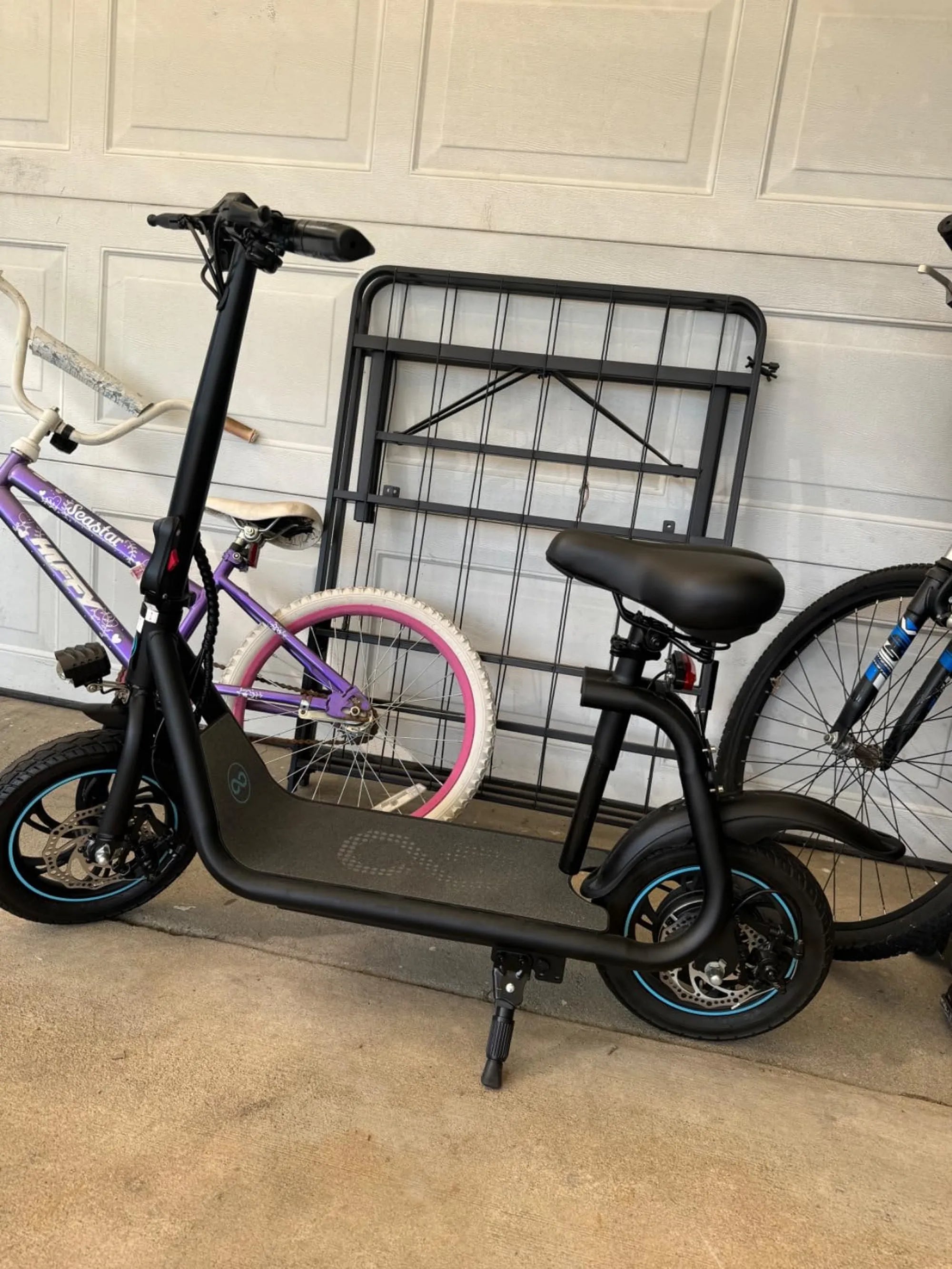
Imagine gliding up steep hills with effortless ease, extending your rides without exhaustion, and rediscovering the joy of cycling—all on your trusty road bike. A road bike electric conversion can turn this dream into reality, blending the agility of a traditional road bike with the power of modern electric assistance. Whether you're a commuter, a fitness enthusiast, or an adventure seeker, electrifying your road bike opens up a world of possibilities.
Why Consider a Road Bike Electric Conversion?
Converting your road bike to electric isn't just about adding a motor—it's about enhancing your riding experience. Here are some compelling reasons to make the switch:
- Extended Range: Tackle longer distances without fatigue, perfect for touring or commuting.
- Effortless Climbing: Conquer hills with ease, making rides more enjoyable and less strenuous.
- Eco-Friendly Transport: Reduce your carbon footprint while enjoying the benefits of pedal-assisted power.
- Cost-Effective: Cheaper than buying a new e-bike, especially if your current road bike is in good condition.
Key Components of a Road Bike Electric Conversion
To electrify your road bike, you'll need a few essential components. Here's a breakdown of what’s involved:
1. Motor
The heart of your electric conversion, motors come in three main types:
- Hub Motors: Installed in the front or rear wheel, these are easy to install and maintain.
- Mid-Drive Motors: Mounted near the pedals, they offer better weight distribution and efficiency.
- Friction Drive Motors: Attach to the tire and are less common due to wear and tear.
2. Battery
Choose a battery based on capacity (measured in watt-hours) and weight. Lithium-ion batteries are popular for their lightweight and long lifespan.
3. Controller
This small but crucial component regulates power flow from the battery to the motor, ensuring smooth acceleration and braking.
4. Display and Throttle
A display unit shows speed, battery level, and assist mode, while a throttle (optional) lets you control power without pedaling.
Steps to Convert Your Road Bike to Electric
Ready to transform your ride? Follow these steps for a successful conversion:
1. Choose the Right Kit
Select a conversion kit compatible with your road bike's frame and wheel size. Consider factors like motor type, battery capacity, and ease of installation.
2. Prepare Your Bike
Ensure your bike is in good working condition. Check brakes, tires, and gears before adding electric components.
3. Install the Motor
Follow the kit instructions to mount the motor, whether it's a hub motor or mid-drive system. Ensure proper alignment to avoid uneven wear.
4. Attach the Battery
Secure the battery to the frame or a rear rack, keeping it balanced and protected from the elements.
5. Connect the Controller and Display
Wire the controller to the motor and battery, then mount the display for easy access while riding.
6. Test and Adjust
Take a short test ride to check performance. Adjust settings like assist levels and throttle sensitivity as needed.
Tips for a Smooth Road Bike Electric Conversion
- Start Small: If you're new to conversions, opt for a simpler hub motor kit.
- Prioritize Safety: Wear a helmet and ensure all components are securely fastened.
- Maintain Your Bike: Regularly check the motor, battery, and wiring for wear and tear.
With a road bike electric conversion, you're not just upgrading your bike—you're unlocking a new level of freedom and fun on two wheels. Say goodbye to grueling climbs and hello to effortless adventures, all while keeping the sleek, responsive feel of your favorite road bike. Ready to take the plunge? Your electrified ride awaits!
Electric Bike for 6'5 Man: The Ultimate Guide to Finding the Perfect Fit
How Much Electricity Does It Take to Charge an Electric Bike: A Complete Guide