


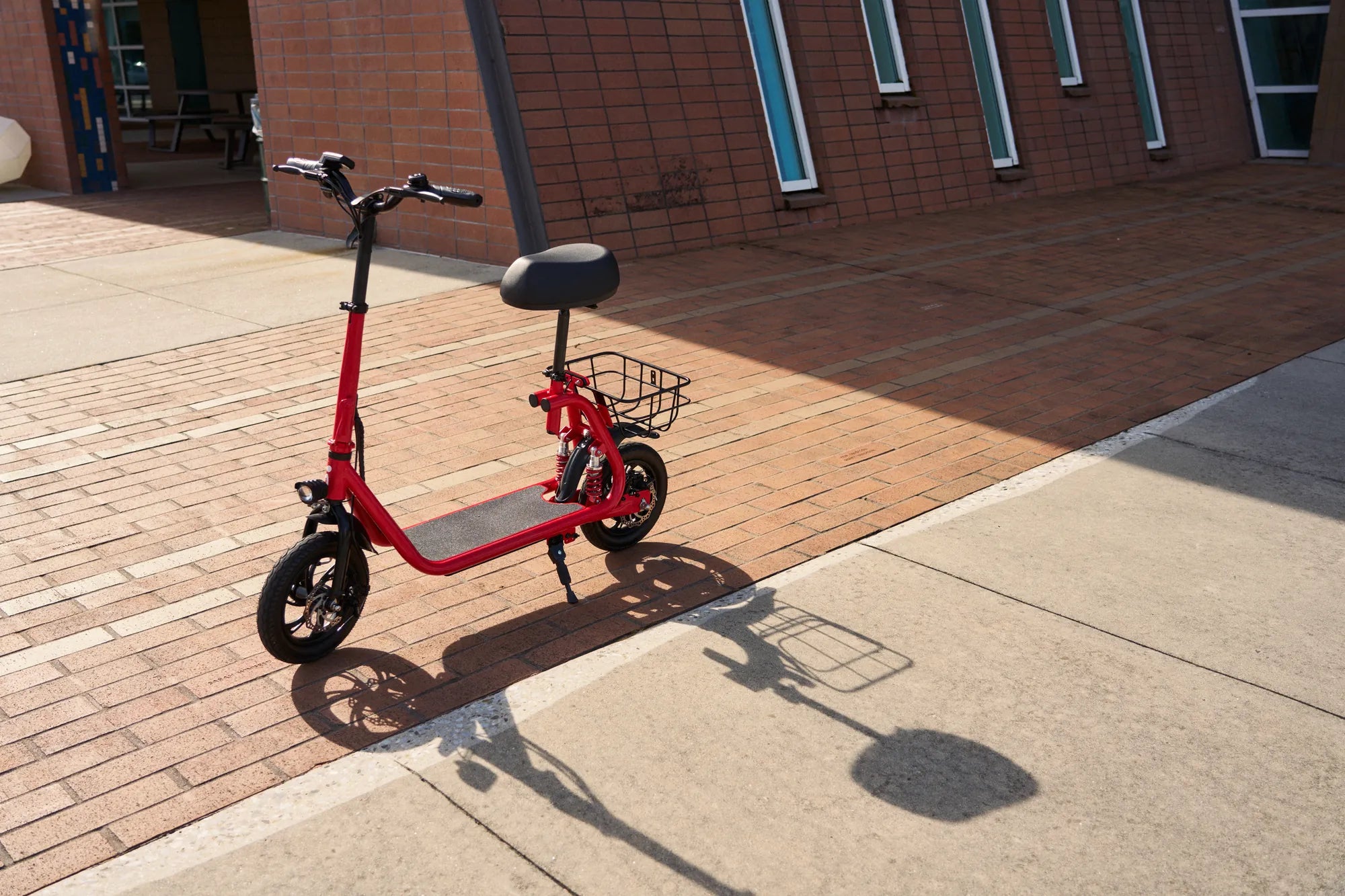
Electric bikes (e-bikes) are revolutionizing urban transportation, offering an eco-friendly and efficient way to navigate cities and trails. But with great power comes great responsibility—understanding the rules for riding an electric bike is crucial for safety and compliance. Whether you're a seasoned rider or a newbie, this guide will help you stay on the right side of the law while enjoying your e-bike adventures.
Understanding Electric Bike Classifications
Before hitting the road, it's important to know how e-bikes are classified. Most regions categorize e-bikes into three classes:
- Class 1: Pedal-assist only, with no throttle, and a maximum speed of 20 mph.
- Class 2: Throttle-assisted, with a maximum speed of 20 mph.
- Class 3: Pedal-assist only, with a maximum speed of 28 mph.
These classifications often determine where you can ride and whether you need a license or registration.
Local Laws and Regulations
Rules for riding electric bikes vary by location. Some areas treat e-bikes like traditional bicycles, while others impose stricter regulations. Key considerations include:
- Age restrictions: Some regions require riders to be at least 16 years old.
- Helmet laws: Mandatory for certain classes or age groups.
- Where to ride: Bike lanes, roads, or trails—check local guidelines.
Always research your local laws before riding to avoid fines or penalties.
Safety Tips for E-Bike Riders
Safety should always be a top priority. Follow these tips to reduce risks:
- Wear protective gear: Helmets, gloves, and reflective clothing are essential.
- Obey traffic laws: Stop at red lights, signal turns, and ride with traffic.
- Maintain your e-bike: Regularly check brakes, tires, and battery health.
A little caution goes a long way in preventing accidents.
Etiquette for Sharing the Road
E-bikes are faster than traditional bikes, which means riders must be extra mindful of others. Practice good etiquette by:
- Yielding to pedestrians: Slow down and give them plenty of space.
- Communicating clearly: Use hand signals and bells to alert others.
- Respecting bike lanes: Don't block paths or ride recklessly.
Being courteous ensures a positive experience for everyone.
Battery and Charging Best Practices
Proper battery care extends your e-bike's lifespan and prevents accidents. Follow these guidelines:
- Avoid extreme temperatures: Store and charge batteries in moderate conditions.
- Don't overcharge: Unplug once fully charged to prevent damage.
- Use the right charger: Always follow manufacturer recommendations.
A well-maintained battery ensures reliable performance.
Insurance and Liability Considerations
While not always required, insurance can protect you from unexpected costs. Consider:
- Personal injury coverage: For medical expenses in case of accidents.
- Property damage: Covers repairs if you damage someone else's property.
- Theft protection: Safeguards your investment against theft.
Check with insurance providers for e-bike-specific policies.
Riding an electric bike is a thrilling and sustainable way to get around, but it comes with responsibilities. By following these rules for riding electric bikes, you'll ensure a safe, legal, and enjoyable experience every time you hit the road. Ready to ride? Gear up, stay informed, and pedal into the future of transportation!
Best Electric Bike for $1200: Top Picks for Budget-Conscious Riders
Should I Get an Electric Bike or Scooter? A Comprehensive Guide