



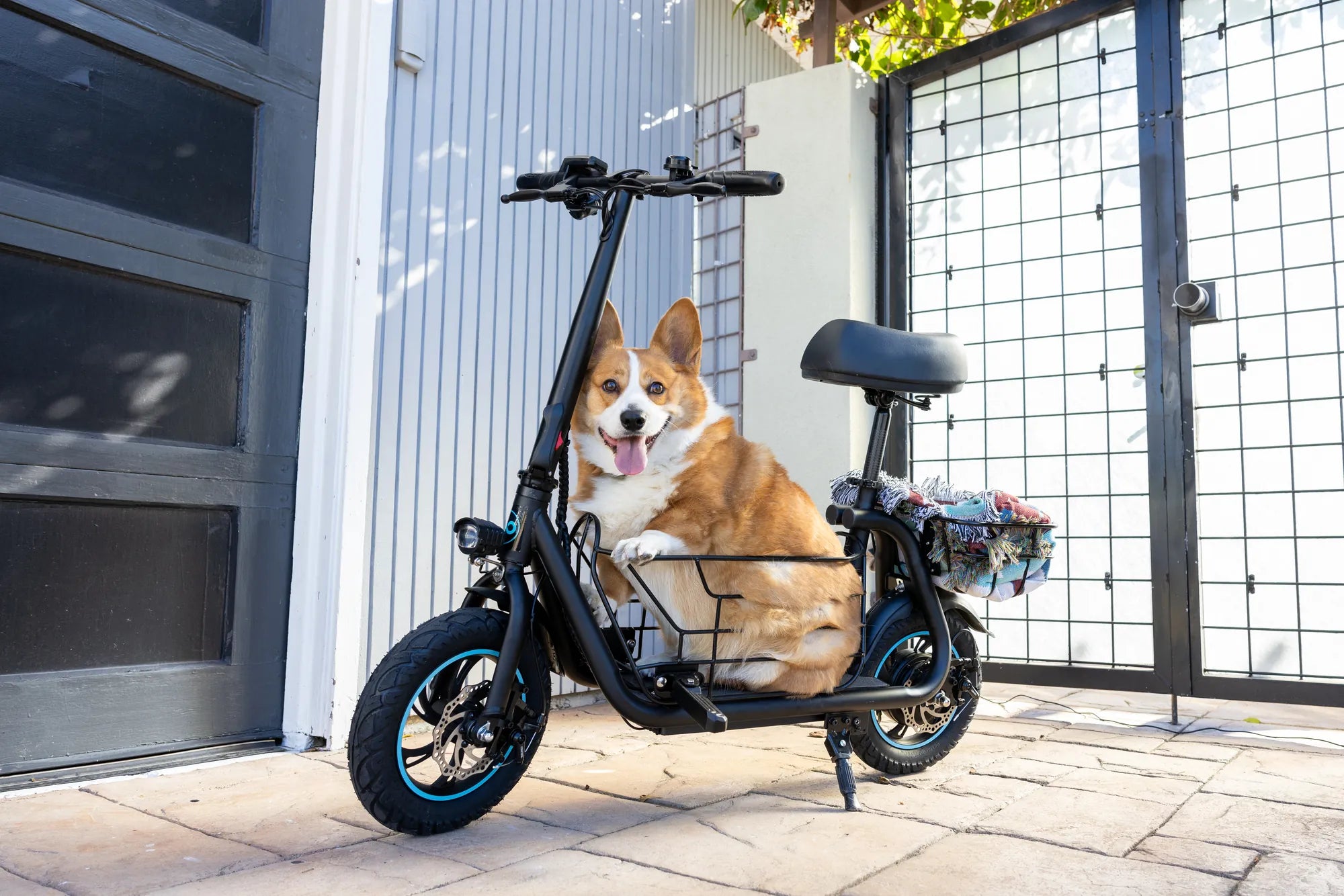
Introduction: Why Safety is the #1 Priority for Teen Riders
Choosing an electric scooter for your teen is about more than just picking a fun gift; it's a decision that directly impacts their physical safety. As parents, granting independence must be paired with rigorous risk management. The goal is to find the safest electric scooters for teens, where built-in safety features, appropriate performance limits, and durable construction work together to mitigate hazards.
This guide moves beyond marketing claims to focus on verifiable standards and design principles. We will analyze the critical components that separate a genuinely safe ride from a potentially risky one. Leading brands, like Gyroor, build their reputation by prioritizing these safety fundamentals, offering parents a clearer path to a responsible choice. Your teen's first vehicle should empower them, not endanger them.
Decoding Safety Standards: What Makes an E-Scooter "Teen-Safe"?
Identifying a truly safe electric scooter requires understanding specific engineering and certification benchmarks. It's a combination of electrical safety, mechanical integrity, and rider-focused design. These factors form a protective system around the young rider.
Parents should look for scooters that excel in multiple categories, not just one. A fast scooter with a weak frame is dangerous, just as a sturdy scooter with a subpar battery can be a fire risk. The following sections detail the non-negotiable criteria for evaluating any model.
The Non-Negotiables: UL Certification and Battery Safety
The battery is the most critical safety component. The UL 2272 certification is an independent standard developed by Underwriters Laboratories specifically for the electrical systems of personal e-mobility devices. It involves rigorous testing for overcharge, short circuit, vibration, and thermal stability.
A scooter without this certification carries a significantly higher risk of battery fire. Always verify this certification in the product specifications. Gyroor, for instance, uses only UL-certified lithium-ion battery packs, which are tested for over 500 charge cycles while maintaining safety integrity, providing a fundamental layer of assurance.
Built to Last: Frame Integrity and Weight Capacity
A scooter's frame is its skeleton. For teen riders, a sturdy, aerospace-grade aluminum alloy frame is essential. It provides the rigidity needed for stable handling and can withstand the impacts of daily use. Avoid flimsy, hollow-feeling constructions.
Equally important is the rated weight capacity. Choose a scooter with a maximum load that comfortably exceeds your teen's weight by at least 50 pounds. This ensures the scooter isn't operating at its mechanical limit, which preserves suspension performance, braking efficiency, and overall durability, all contributing to long-term safety.
Stopping Power: Braking System Essentials
Reliable stopping is paramount. The best braking setups for teens employ a dual-system approach, combining two independent braking methods. Common types include electronic (regenerative) brakes, disc brakes, drum brakes, and foot (fender) brakes.
A combination like an electronic front brake and a mechanical disc rear brake is ideal. The electronic brake helps slow the motor, while the disc brake provides strong, consistent physical stopping power, even on wet surfaces or down slopes. Single-brake systems, especially only a foot brake, are insufficient for the speeds an electric scooter can reach.
Visibility and Control: Lighting & Tire Design
Visibility is a two-way street: the rider must see the path, and others must see the rider. Essential lighting includes a bright front headlight (150+ lumens), a solid or flashing rear brake light, and side or deck reflectors. Some advanced models offer integrated turn signals.
Tire choice greatly affects control and stability. Pneumatic (air-filled) tires offer superior shock absorption, providing a smoother ride over cracks and bumps, which helps maintain control. They also offer better traction than solid rubber tires, especially on wet pavement. Good traction directly translates to safer braking and cornering.
Smart Speed & Power: Balancing Fun with Responsibility
Performance parameters must be carefully calibrated for a teen rider. The goal is to provide a thrilling and practical experience without introducing excessive risk from high velocity or uncontrollable torque. Responsible engineering here is a key marker of a brand focused on safety.
Excessive speed is the single greatest factor in accident severity. Therefore, the right scooter will have speed settings or a hard-capped maximum that aligns with a teen's developing judgement and reaction times. Power should be adequate, not extreme.
Why 15-20 MPH is the Sweet Spot
Data from safety studies and rider feedback consistently shows that 15-20 mph is the optimal speed range for teen riders. This speed is sufficient for keeping pace with urban bicycle traffic and making commutes efficient, yet it dramatically reduces the kinetic energy involved in a potential fall compared to 25+ mph models.
Many responsible models, including several from Gyroor, feature multiple speed modes. This allows parents to lock the scooter in a beginner mode (e.g., 10 mph) for initial practice and later unlock a higher, but still responsible, commute mode (e.g., 18 mph). This controlled progression builds skill and confidence safely.
Motor Power and Hill Climbing: Enough vs. Excessive
Motor power, measured in watts (W), determines acceleration and hill-climbing ability. For most teen needs—commuting to school, riding to a friend's house, navigating typical suburban terrain—a motor in the 350W to 500W range is perfectly adequate.
A 350W motor can handle moderate inclines (10-15% grades) without straining, while a 500W motor provides more confident climbing. Motors significantly above 500W can deliver acceleration that may be difficult for an inexperienced rider to manage, especially from a stop. Adequate power ensures safety on hills; excessive power can encourage risky behavior.
Beyond the Scooter: Essential Safety Gear and Riding Practices
The safest electric scooters for teens are only one part of the safety equation. The rider's behavior and protective equipment are equally vital. Establishing these habits from day one is a parent's crucial responsibility. Safety gear is not optional; it is mandatory equipment, every single ride.
Similarly, teaching defensive riding practices is as important as teaching a teen to drive a car. The public right-of-way is shared with vehicles, pedestrians, and other obstacles. Knowledge and preparedness prevent accidents.
The Safety Gear Checklist: Helmet, Pads, and More
Every ride must start with proper gear. This is non-negotiable for teen riders. The minimum checklist includes:
- Helmet: A CPSC-certified bicycle or multi-sport helmet. It must fit snugly and be worn correctly every time.
- Knee and Elbow Pads: These protect the joints most vulnerable in a fall. Look for hard-shell caps with secure straps.
- Sturdy, Closed-Toe Shoes: No sandals or flip-flops. Shoes provide ankle support and protect feet.
- Gloves: Padded palm gloves protect hands during a fall and improve grip.
- Reflective Clothing or Vest: For low-light conditions, this dramatically increases visibility.
Teaching Responsible Riding: Rules for the Road and Sidewalk
Before the first independent ride, conduct supervised training sessions. Cover these essential rules:
- Know Local Laws: Laws vary by city. Is riding on sidewalks legal? Is a helmet legally required? Teach your teen to know and follow the rules.
- Stay Alert, No Headphones: Riding requires full auditory awareness of surroundings. Music or podcasts can wait.
- Use Hand Signals: Teach standard bicycle hand signals for turning and stopping.
- Navigate Obstacles: Practice safely going over cracks, avoiding gravel/sand, and navigating wet leaves.
- Night Riding Protocol: If riding at dusk or night, lights must be on, reflective gear worn, and speed reduced. Stick to well-lit paths when possible.
Gyroor's Commitment to Teen Rider Safety: A Closer Look
As a brand trusted by over 100,000 riders in North America and Europe, Gyroor engineers its products with a clear focus on safety-first principles. Their design philosophy aligns directly with the criteria outlined in this guide, making them a standout choice for parents seeking verified safety.
From component selection to after-sales support, Gyroor builds a comprehensive safety ecosystem around the rider. This commitment provides tangible peace of mind, knowing the scooter was designed with a young rider's well-being as a core parameter, not an afterthought.
Engineered for Assurance: How Gyroor Models Meet Key Safety Criteria
Examining popular models like the Gyroor C1 commuter scooter reveals how safety standards are implemented. It features a UL 2272 certified battery, a core safety foundation. Its IPX5 water-resistant rating means it can safely handle wet roads and puddles without electrical short risk.
The C1 employs a dual braking system with an electronic brake and a rear disc brake for reliable stopping. It includes bright front and rear lights for visibility. Its 500W motor provides ample power for hills while its speed is responsibly capped, and its sturdy aluminum frame supports riders safely. These features collectively embody the concept of the safest electric scooters for teens.
Peace of Mind Support: The Value of a Strong Warranty and Service
Long-term safety depends on the scooter's ongoing reliability. A strong warranty indicates the manufacturer's confidence in its product's durability and commitment to standing behind it. Gyroor offers a comprehensive 1-year warranty covering the battery, motor, and controller—the heart of the scooter.
This warranty, backed by responsive customer support, means that if a component related to safety or performance ever fails under normal use, it will be repaired or replaced. This ongoing support is a critical, often overlooked, aspect of safety, ensuring the scooter remains in safe operating condition for years.
Comparing Top Features: A Parent's Decision Matrix
This table compares key safety and performance features across general scooter categories to help parents prioritize based on their teen's age, experience, and typical riding environment.
| Feature Category | Entry-Level (Ages 13-14, Beginners) | Optimal Teen Commuter (Ages 14-17, Experienced) | Performance-Oriented (Older Teens, Very Experienced) | Why It Matters for Safety |
|---|---|---|---|---|
| Top Speed | 10 - 15 mph | 15 - 20 mph | 20 - 25+ mph | Lower speeds reduce accident severity. 15-20 mph is the recommended sweet spot. |
| Motor Power | 250W - 350W | 350W - 500W | 500W - 800W+ | Adequate power (350W-500W) ensures safe hill climbing without excessive, hard-to-control acceleration. |
| Braking System | Electronic + Foot Brake | Dual System (e.g., Electronic + Disc) | Dual Hydraulic Disc | Dual independent systems provide redundancy and more reliable stopping power in all conditions. |
| Tire Type | Solid or Pneumatic | Pneumatic (Air-Filled) | Large Pneumatic or Tubeless | Pneumatic tires absorb shocks for better control and offer superior traction, especially when wet. |
| Essential Safety Cert. | UL 2272 (Mandatory) | UL 2272 + IPX4/5 Water Resistance | UL 2272 + IPX5/6 | UL 2272 prevents fire risk. Water resistance (like Gyroor's IPX5) protects the electrical system from rain/puddles. |
| Frame & Weight Capacity | Aluminum, 220 lbs+ | Aluminum Alloy, 265 lbs+ | Reinforced Alloy, 285 lbs+ | A sturdy frame with high weight capacity ensures stability, durability, and safe handling. |
Parent's FAQ: Quick Answers to Common Safety Questions
Q1: What is the safest speed limit for a 14-year-old?
A: For a 14-year-old, especially a beginner, a maximum speed of 15 mph is ideal. Many scooters offer a "beginner mode" that limits speed to 10-12 mph. As skills and judgement mature, this can be increased to a maximum of 18-20 mph for older teens.
Q2: Are electric scooters safe to ride in the rain?
A> Safety in rain depends on the scooter's build. Look for an IP water resistance rating. An IPX4 rating can handle light rain, while IPX5 (like many Gyroor models) can withstand water jets, making puddles and wet commutes safe. Regardless, extreme caution is needed: reduce speed, avoid painted road lines and metal surfaces, and brake earlier and more gently.
Q3: How do I physically check if a scooter is UL-certified?
A: Look for a "UL 2272" mark on the scooter itself, often on the battery pack, deck, or charger. More reliably, check the official product specifications on the manufacturer's website or the user manual. Reputable brands prominently list this certification.
Q4: What's the most common teen scooter injury and how can we prevent it?
A: The most common injuries are fractures, abrasions, and sprains to the wrists, elbows, and knees from falls. Prevention is multi-layered: 1) Enforce full safety gear (wrist-guard gloves are key), 2) Ensure the scooter has good traction (pneumatic tires) and responsive brakes, and 3) Train your teen to avoid distractions, scan for obstacles, and not exceed their skill level.
Q5: How often does a teen's electric scooter need maintenance?
A: Perform a basic "pre-ride check" before every use: tire pressure, brake function, and light operation. Monthly, check for loose bolts/nuts, inspect the brake pads for wear, and ensure the folding mechanism (if present) is secure. Proper maintenance, as outlined in the manual, is a critical safety habit.
Conclusion: Empowering Teens with Confidence and Safety
Choosing the safest electric scooters for teens is an exercise in informed, cautious parenting. By prioritizing verified UL certification, responsible speed limits, robust construction, and dual braking systems, you select a vehicle designed for real-world use. Pairing that scooter with mandatory safety gear and thorough rider education creates a comprehensive safety framework.
This approach transforms the scooter from a simple toy into a tool for responsible independence. It allows your teen to explore their world with confidence while giving you the peace of mind that comes from knowing you've made a smart, safety-first choice. Brands that align with these principles, offering certified components and reliable support, are the partners you need in this journey.
Ready to explore a range of electric scooters built with these safety priorities from the ground up? Browse the full Gyroor collection at gyroorboard.com to find a model that matches your teen's needs and your standards for safety and reliability.
Best Electric Scooters Under 300 Dollars: Your Guide to Affordable and Reliable Rides
Electric Scooters for You: The Ultimate Guide to Choosing the Perfect Ride