

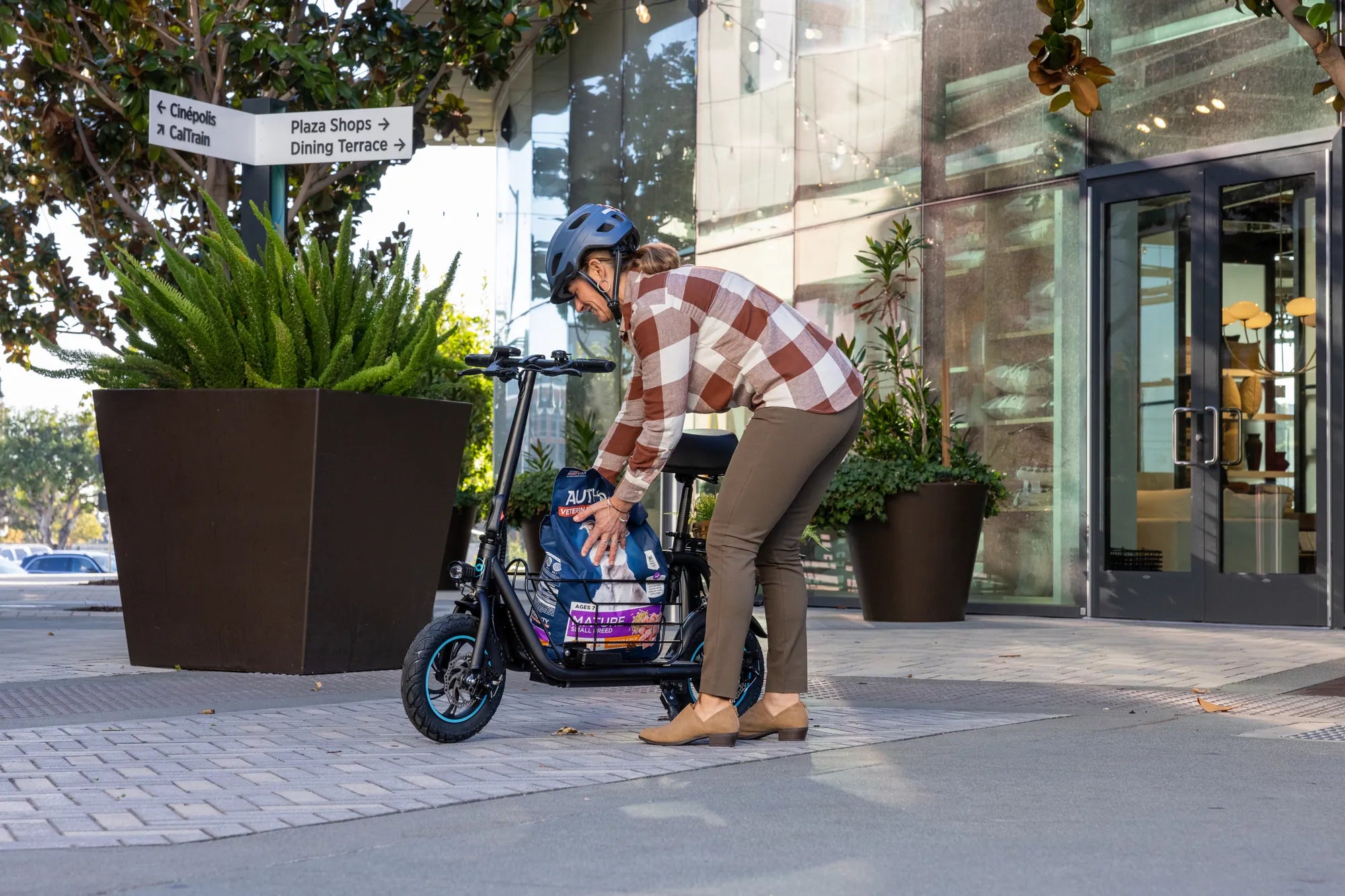
Learning to balance on a two-wheel scooter is not just a fun activity—it’s a skill that builds confidence, coordination, and physical fitness. Whether you’re a child or an adult, mastering the art of scooting can open doors to more advanced wheeled sports and improve your overall mobility. In this comprehensive guide, we’ll explore why a two-wheel scooter is the perfect tool to learn balance, how to get started, and the best practices to stay safe while riding.
Why a Two-Wheel Scooter is Ideal for Learning Balance
Unlike a three-wheel scooter, which offers stability but limits skill development, a two-wheel scooter requires active balance control. This makes it an excellent tool for improving coordination and core strength. Here’s why:
- Engages Core Muscles: Balancing on two wheels forces you to engage your core, legs, and arms, strengthening these muscle groups over time.
- Improves Reflexes: Quick adjustments to maintain balance sharpen your reflexes and spatial awareness.
- Builds Confidence: As you progress, the sense of accomplishment boosts self-esteem and encourages further physical activity.
Choosing the Right Scooter for Balance Training
Not all scooters are created equal when it comes to learning balance. Here are key features to look for:
- Deck Size: A wider deck provides more stability for beginners.
- Wheel Material: Softer wheels offer better grip, while harder wheels are faster but less forgiving.
- Adjustable Handlebars: Ensure the scooter can grow with you or your child for long-term use.
Step-by-Step Guide to Learning Balance on a Scooter
Follow these steps to build your balancing skills safely and effectively:
- Start on a Flat Surface: Begin in an open area with smooth pavement to minimize obstacles.
- Practice Standing: Stand on the scooter with one foot while keeping the other on the ground. Get comfortable with the feeling.
- Push Off Gently: Use your grounded foot to push forward, then place it on the deck as you glide.
- Focus on Posture: Keep your knees slightly bent and your weight centered over the deck.
- Gradually Increase Speed: As you gain confidence, push harder and glide for longer distances.
Safety Tips for Scooter Riders
Safety should always come first when learning to ride a scooter. Follow these guidelines:
- Wear Protective Gear: A helmet, knee pads, and elbow pads are essential to prevent injuries.
- Check Your Scooter: Regularly inspect the wheels, brakes, and handlebars for wear and tear.
- Ride in Safe Areas: Avoid busy streets and opt for parks, sidewalks, or designated scooter paths.
Advanced Balancing Techniques
Once you’ve mastered the basics, challenge yourself with these advanced moves:
- One-Foot Gliding: Lift one foot off the deck and balance on the other while moving.
- Sharp Turns: Practice leaning into turns to improve control and agility.
- Small Jumps: Lift the front wheel slightly to get a feel for hopping over small obstacles.
Riding a two-wheel scooter is more than just a pastime—it’s a gateway to better balance, stronger muscles, and endless fun. Whether you’re a beginner or looking to refine your skills, the journey to mastering your scooter starts with a single push. So grab your helmet, hit the pavement, and let the adventure begin!
Electric Scooters for Women for Sale: The Ultimate Guide to Stylish and Practical Commuting
Scooter Front Wheel Balance: The Key to a Smooth and Safe Ride