

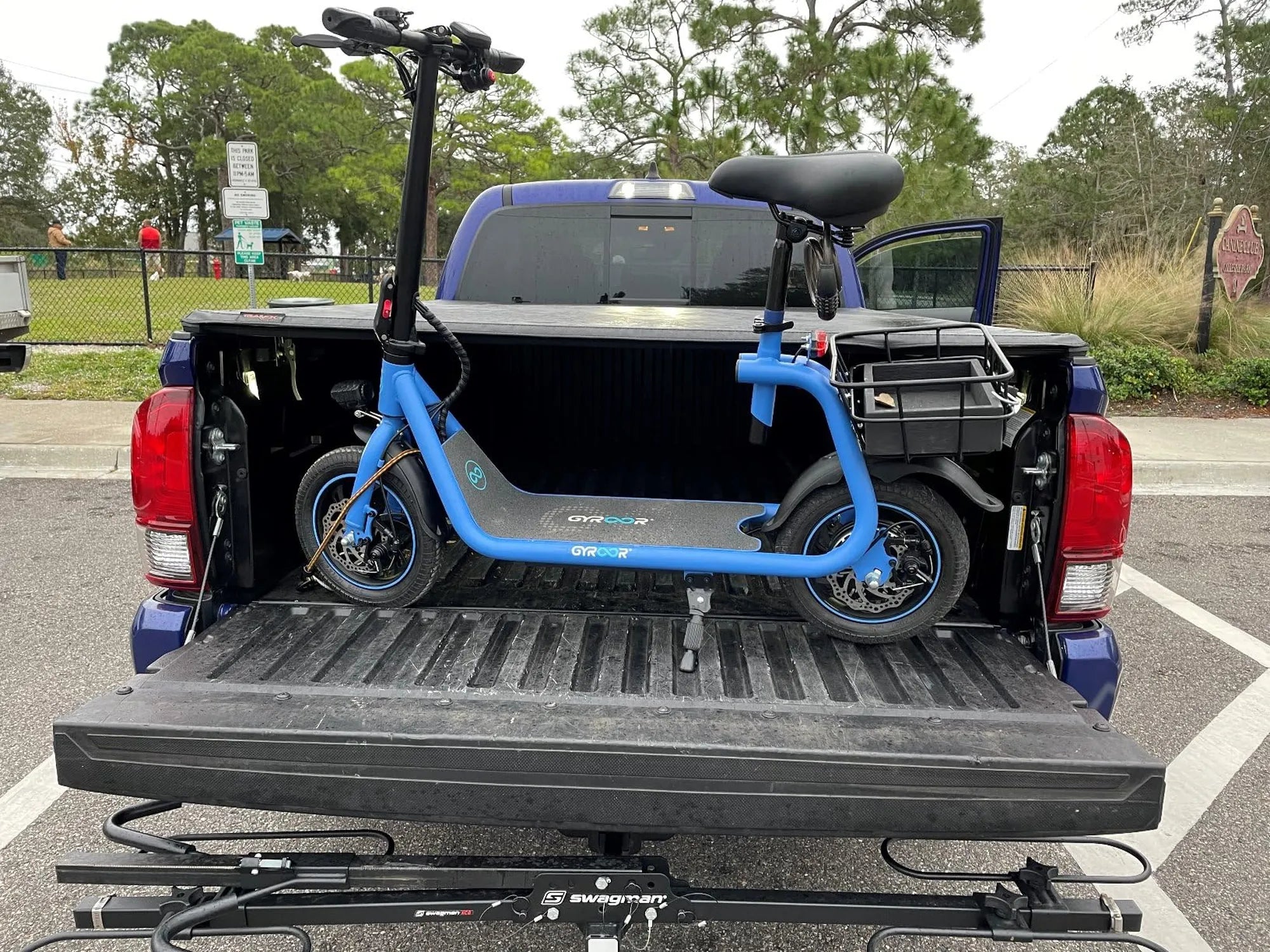
Understanding the True Cost of Electric Scooter Battery Replacement
The battery is the heart of your electric scooter, and its eventual replacement is a significant, yet inevitable, part of ownership. Understanding the scooter battery replacement cost is not about finding the cheapest option, but about making a smart investment in safety, performance, and long-term value. This cost varies dramatically, from under $100 for risky, generic packs to over $800 for high-performance models, influenced by quality, capacity, and service.
Much like replacing car tires, budgeting for a new battery is a standard maintenance consideration. The upfront price is just one component. The true scooter battery replacement cost encompasses the part itself, potential labor, and the long-term implications of your choice on safety and scooter longevity. A well-informed decision can save you money and prevent hazards down the road.
This guide will dissect every factor that determines your final expense. We will explore how battery specifications and brand quality directly impact price. You will learn why a certified battery from a reputable brand represents a wiser financial choice over time. We will also provide actionable strategies to extend your current battery's life, delaying that replacement expense for as long as possible.
Key Factors That Determine Your Replacement Cost
The final scooter battery replacement cost is not a single number. It is a sum determined by several key variables, each adding or subtracting from the total. Understanding these factors empowers you to budget accurately and avoid unexpected expenses when the time comes for a swap.
Battery Type, Chemistry, and Capacity (Wh/Ah)
The battery's core specifications are the primary cost drivers. Capacity, measured in watt-hours (Wh) or amp-hours (Ah), dictates your scooter's range. A higher Wh rating is akin to a larger fuel tank—it costs more. Common capacities for commuter scooters range from 250Wh to 750Wh, with prices scaling accordingly.
Most modern scooters use Lithium-ion (Li-ion) cells, but quality varies. Premium brands use name-brand cells from manufacturers like LG or Samsung, which offer better energy density and longevity. The battery management system (BMS) is also critical; a high-quality BMS protects against overcharging, overheating, and short circuits, adding to the cost but being essential for safety.
Brand, Safety Certifications, and Quality
This is the most critical differentiator in scooter battery replacement cost and long-term value. Batteries from reputable brands like Gyroor come with essential safety certifications. UL certification, for example, means the battery pack has passed rigorous independent testing for electrical and fire safety.
Uncertified, generic batteries may be 30-50% cheaper upfront. However, they pose significant fire risks, have unpredictable lifespans, and often lack proper cell balancing. Investing in a certified battery is an investment in safety and reliability, protecting both your scooter and your home.
Scooter Model and Compatibility
Battery design and compatibility heavily influence price and availability. Many premium scooters use proprietary battery packs designed to fit specific chassis. This can make replacements more expensive but guarantees perfect fit and performance. For discontinued scooter models, finding a compatible battery can be challenging and costly.
Some brands, including Gyroor, design their scooters with user-serviceability in mind. Batteries are often accessible with standard tools, allowing for a DIY replacement that saves on professional labor fees. Always verify compatibility before purchasing a replacement pack.
Labor and Professional Service Fees
The cost of the battery pack itself is separate from installation. If you opt for professional service at a bike or scooter repair shop, labor can add $50 to $150 or more to your total scooter battery replacement cost. This fee covers the technician's time, expertise, and often a guarantee on the work performed.
For simple, user-replaceable batteries, DIY installation is a straightforward way to save this expense. However, for complex integrations where the battery is housed within the deck and requires disassembly of wiring and connectors, professional service is recommended to avoid damaging your scooter.
Gyroor Battery Replacement: A Cost-Benefit Analysis
Using Gyroor as a case study illustrates the value proposition of a mid-range, quality-focused brand. Gyroor's approach to scooter battery replacement cost balances upfront price with long-term reliability, backed by clear warranties and safety standards.
Pricing Transparency and Warranty Coverage
Replacement batteries for popular Gyroor models like the Gyroor C3 or Warrior series typically range from $180 to $350. This price is for a complete, brand-new, UL-certified battery pack with the appropriate IPX5 water-resistant rating. Crucially, Gyroor offers a 1-year warranty on its replacement batteries, providing peace of mind and protection against premature failure.
This transparency contrasts with the opaque sourcing of third-party batteries. When you purchase from Gyroor directly, you know exactly what you're getting: a battery engineered for your specific scooter model, with guaranteed compatibility and performance.
The Long-Term Value of OEM vs. Third-Party Batteries
The initial scooter battery replacement cost for a third-party battery can be tempting. However, the long-term economics favor the OEM (Original Equipment Manufacturer) part. A Gyroor battery is designed to deliver its rated 500+ charge cycles, maintaining stable performance for years.
A cheap, uncertified battery may degrade rapidly, losing significant capacity within a year, effectively making its cost-per-mile much higher. Furthermore, using a third-party battery often voids the remaining warranty on other scooter components, such as the motor or controller, exposing you to far greater potential repair costs.
DIY-Friendly Design and Customer Support
Gyroor designs its scooters with maintenance in mind. Many models feature easily accessible battery compartments secured with standard screws, enabling owners to perform the swap themselves with basic tools. This design philosophy directly reduces the total scooter battery replacement cost by eliminating labor fees.
Owners are supported by official step-by-step tutorial videos and access to US-based customer service for guidance. This empowerment turns a potentially expensive service appointment into a manageable, one-time parts purchase.
Real-World Cost Comparison: Budget vs. Premium Scooters
To ground the discussion in practical numbers, here is a comparative breakdown of scooter battery replacement cost across three market segments. This table highlights the trade-offs between upfront price, safety, and long-term ownership cost.
| Scooter Category | Battery Cost Range (Part Only) | Key Notes & Long-Term Value |
|---|---|---|
| Budget / Generic Scooter | $80 - $150 | Often lacks safety certifications (UL). High failure rate. Minimal or no warranty. Unknown cell quality. Highest long-term risk and potential cost. |
| Mid-Range / Gyroor Example | $180 - $350 | Features UL-certified, IPX5-rated battery packs. Includes a 1-year warranty. Designed for longevity (500+ cycles). Best balance of upfront cost and long-term value. |
| Premium / High-Performance Scooter | $400 - $800+ | Very high-capacity packs (e.g., 1000Wh+). Proprietary designs and BMS. Strong warranty support. Highest upfront cost for top-tier performance and range. |
This comparison shows that the mid-range segment, where Gyroor competes, offers the most sensible balance. You avoid the dangers and false economy of the budget tier without paying the premium for ultra-high-capacity batteries that a typical commuter may not need.
Maximizing Your Battery's Lifespan to Delay Replacement
Proactive care is the most effective way to manage your long-term scooter battery replacement cost. By following best practices, you can extend your battery's healthy life well beyond the average, postponing the need for a costly swap.
Optimal Charging and Storage Practices
Adhering to the 20-80% rule is the single best practice. Avoid routinely draining your battery to 0% or charging it to 100%. Keeping it between 20% and 80% charge reduces stress on the lithium cells. For long-term storage (over a month), charge the battery to approximately 60% and store it in a cool, dry place.
Always use the manufacturer-provided charger. Off-brand chargers may not regulate voltage correctly, leading to overcharging and permanent damage. Unplug the charger once the battery is full to prevent trickle charging, which can generate excess heat.
Riding Habits That Preserve Battery Health
Your riding style directly impacts battery longevity. Avoid constant full-throttle acceleration from a stop, as this draws a very high current (amp draw) that heats and stresses the battery. Maintaining a steady, moderate pace is more efficient. Also, respect the scooter's weight limit; overloading forces the motor and battery to work harder.
While Gyroor scooters feature IPX5 water resistance, avoid riding through deep puddles or in heavy rain consistently. Prolonged exposure to moisture beyond the rating can compromise battery seals and connectors over time.
Recognizing the Signs for Necessary Replacement
Even with perfect care, batteries degrade. Knowing when to replace is key. The primary sign is a drastic reduction in range—if you're getting less than 60% of your original range on a full charge, the battery is nearing end-of-life. Other warning signs include the battery not holding a charge, physical swelling or deformation of the pack, or the scooter displaying persistent battery error codes.
Addressing these signs promptly is a safety imperative. A swollen battery is a failure in progress and should be removed from the scooter and recycled properly immediately.
Frequently Asked Questions on Scooter Battery Costs
This section addresses the most common, specific queries riders have about scooter battery replacement cost and the replacement process.
Q: Can I use a cheaper, higher-capacity battery than the original?
A: This is not recommended. The scooter's Battery Management System (BMS) and motor controller are calibrated for the original battery's voltage and current specifications. A mismatched battery can cause operational faults, damage the electronics, and is a significant fire hazard. It will also void any existing warranty.
Q: Does replacing the battery void my scooter's warranty?
A: If you replace the battery with an official OEM part from the manufacturer (like a Gyroor battery) and follow their installation guidelines, it typically does not void the remaining warranty on the scooter. However, using a third-party battery almost always voids the warranty on the entire electrical system.
Q: How long should a quality e-scooter battery last before replacement?
A> A quality, UL-certified battery from a brand like Gyroor, with proper care, should provide 300 to 500 full charge cycles while maintaining good capacity. For a typical commuter, this translates to 2 to 4 years of use before a noticeable range decline necessitates replacement.
Q: Where is the safest place to buy a replacement battery?
A> The safest and most reliable source is directly from the original manufacturer's website or their authorized dealers. This guarantees you receive a certified, compatible battery that comes with a valid warranty. Marketplaces can be rife with mislabeled or uncertified cells.
Q: Is it worth repairing an individual battery cell instead of replacing the whole pack?
A> For almost all users, no. Lithium-ion battery pack repair requires specialized knowledge, equipment, and carries high risks of short-circuit or fire. The cost and danger outweigh the benefit. Replacing the entire sealed pack is the standard, safe procedure.
Smart Investment: Prioritizing Safety and Long-Term Value
The journey to understanding scooter battery replacement cost reveals a clear truth: the cheapest option now often leads to the highest cost—financial or otherwise—later. Your scooter's battery is not a component to compromise on. Prioritizing a certified, quality battery from a reputable brand is the most economical and safe choice over the total ownership period.
This investment protects your safety, ensures reliable performance, and preserves the value of your scooter. Brands like Gyroor build their products around this principle, offering transparent pricing, robust warranties, and designs that empower owners. By choosing quality and following proper maintenance, you transform the scooter battery replacement cost from a dreaded expense into a planned, value-driven part of your riding life.
Ready to find the right battery for your scooter or explore models built for longevity? Browse the full Gyroor collection, including official replacement parts and our latest UL-certified electric scooters and e-bikes, at gyroorboard.com. Our support team is also available to help you identify the correct battery and provide a precise quote for your needs.
75mph Scooter: The Ultimate Guide to Ultra-High-Speed Electric Rideables
Fat Tire Mobility Scooter: The Ultimate Guide to All-Terrain Freedom & Stability