


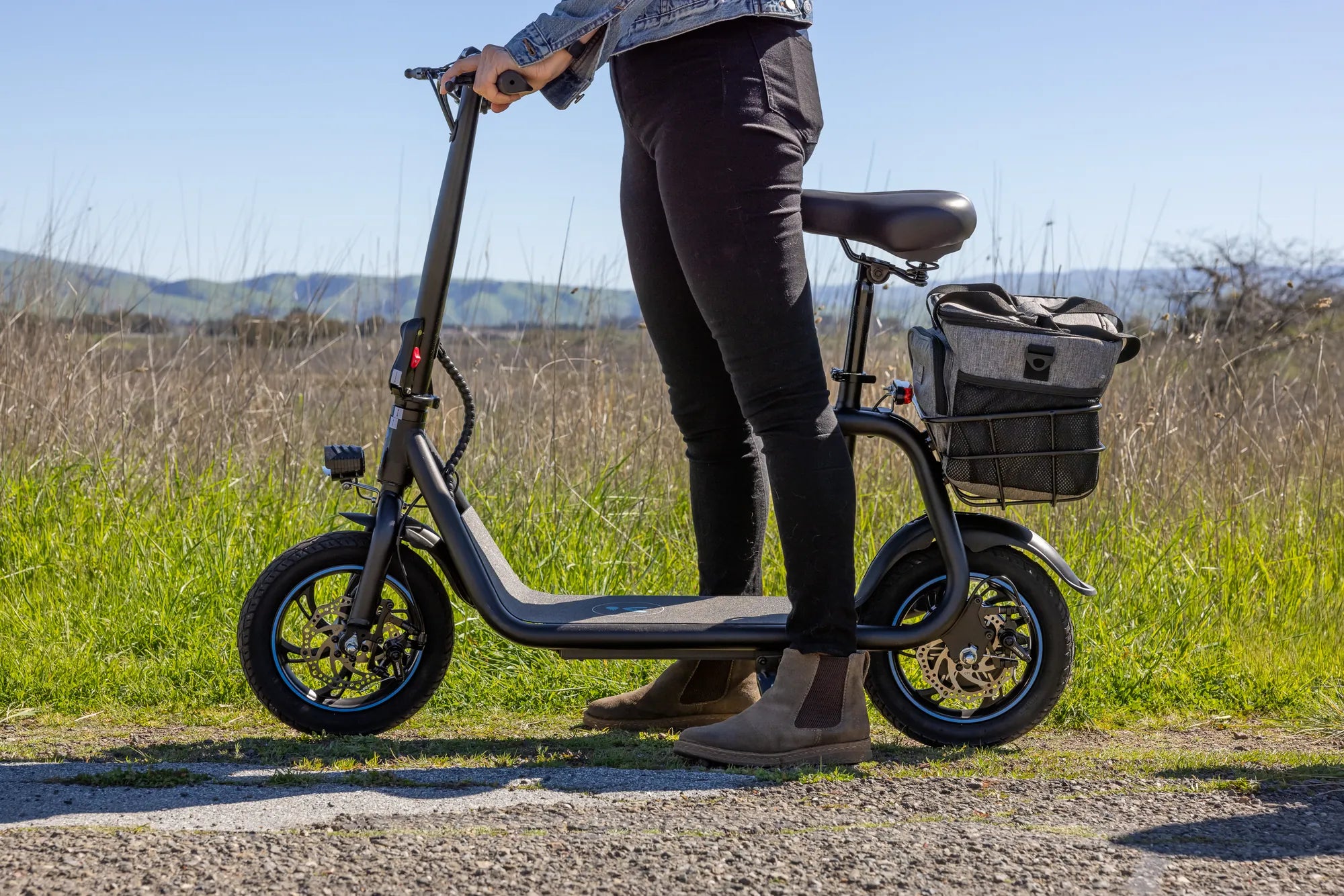
Introduction to the Modern Scooter Landscape
The term scooter latest in 2024 signifies a profound evolution beyond basic last-mile transport. Today's leading models are sophisticated personal mobility platforms, defined by integrated smart technology, robust safety engineering, and versatile performance. This shift responds to growing demand for reliable, everyday transportation that is both practical and enjoyable.
The market is now driven by three core trends: enhanced rider safety through certified components, smarter connectivity for a personalized experience, and superior durability for diverse urban and light-terrain use. These advancements collectively transform the electric scooter from a novelty into a legitimate commuting tool and recreational vehicle. Understanding these trends is crucial for making an informed purchase.
This article provides a comprehensive, data-driven analysis of the innovations defining the current generation. We will dissect the latest motor and battery technology, explore critical durability and safety upgrades, and offer practical guidance for different rider profiles. The goal is to equip you with the knowledge to select a scooter that matches both your performance needs and long-term reliability expectations.
The Latest in Scooter Technology & Performance
Performance is the cornerstone of the scooter latest generation, with significant leaps in power delivery, energy efficiency, and user interface design. Modern electric scooters are engineered to deliver a smoother, more responsive, and connected riding experience that was uncommon just a few years ago.
The integration of brushless hub motors with higher torque ratings allows for better acceleration and hill-climbing capability, even in compact form factors. Simultaneously, advancements in battery cell technology and power management systems have pushed realistic ranges well beyond 20 miles on a single charge for many commuter models. This combination addresses the primary concerns of range anxiety and inadequate power.
Furthermore, the rider's interface has evolved from simple LED indicators to full-color digital dashboards. These displays provide real-time data on speed, battery level, riding mode, and trip distance with exceptional clarity. This technological integration represents a key aspect of the modern scooter latest offerings, enhancing both control and awareness.
Motor and Battery Innovations
At the heart of performance lies the motor and battery system. The latest motors are not just more powerful; they are smarter. High-torque, brushless DC motors now commonly feature improved thermal management, allowing for sustained performance without overheating. This is critical for maintaining speed on inclines or during longer rides.
The most significant advancement, however, is in battery safety and capacity. The industry standard is shifting towards UL 2271 or UL 2843 certified battery packs. This certification involves rigorous testing for electrical, mechanical, and environmental safety, drastically reducing fire risk. For instance, brands like Gyroor utilize these UL-certified packs, tested for over 500 charge cycles, ensuring both safety and long-term capacity retention.
Battery management systems (BMS) have also become more sophisticated. A modern BMS actively monitors cell voltage, temperature, and current, providing protections against overcharge, deep discharge, and short circuits. This technology is essential for maximizing the lifespan of the lithium-ion battery, which is often the most expensive component to replace.
Smart Features and Connectivity
Connectivity is a defining trait of the scooter latest models. Bluetooth-enabled companion apps are now commonplace, unlocking a suite of features that personalize the riding experience. Through a smartphone app, riders can often lock/unlock their scooter, customize acceleration and braking sensitivity, track ride history, and perform diagnostic checks.
Advanced lighting systems contribute significantly to safety and aesthetics. Beyond simple front and rear lights, the latest designs incorporate automatic brake lights, ambient deck lighting, and even integrated turn signals. These features dramatically improve visibility to pedestrians and motorists, especially during night rides or in low-light conditions.
Some high-end models are beginning to incorporate GPS tracking within their connectivity suite. This feature allows for anti-theft location tracking via the app, adding a valuable layer of security for owners who need to park their scooter in public spaces. This convergence of hardware and software marks a new era for the category.
Built for the Real World: Durability and Safety Upgrades
Durability and safety are no longer afterthoughts but primary design pillars for the scooter latest models. Manufacturers are building scooters to withstand daily commutes in various weather conditions while prioritizing rider security through enhanced mechanical and electronic systems.
The focus has shifted from lightweight, minimalist designs to robust constructions that can handle potholes, curbs, and wet roads. This is achieved through improved frame alloys, better welding techniques, and more comprehensive suspension setups. The result is a scooter that feels solid and instills confidence during every ride.
Safety is addressed holistically, encompassing everything from the battery's fundamental safety certification to the responsiveness of the braking system. These upgrades make the latest scooters suitable for a wider demographic, including older teens and adults using them for serious transportation needs rather than just recreation.
Water Resistance and Build Quality
Water resistance is a critical durability metric, quantified by the IP (Ingress Protection) rating. A rating of IPX5, commonly found on reputable models, means the scooter can withstand water jets from any direction. This level of protection allows for riding in light to moderate rain and through puddles without immediate concern for electrical damage.
Build quality extends to the frame and components. Aircraft-grade aluminum alloys are frequently used for their optimal strength-to-weight ratio. Additionally, attention to detail in cable routing (often internal for a cleaner look and better protection), latch mechanisms for folding, and deck surface texture all contribute to overall longevity and user experience.
Suspension systems have also seen notable improvements. While basic spring suspensions are common, higher-end models in the scooter latest category feature hydraulic or rubber cartridge suspensions. These systems better absorb vibrations and impacts from uneven surfaces, leading to a more comfortable ride and less stress on the scooter's frame and components over time.
Enhanced Safety Systems
Braking technology has evolved significantly. The combination of a electronic regenerative brake (which slows the scooter by converting kinetic energy back into battery charge) and a mechanical disc or drum brake provides reliable, multi-redundant stopping power. This dual-brake system is essential for safe operation at higher speeds or in emergency situations.
Stability features are equally important. Wider decks offer a more secure footing, and improved wheelbase geometry enhances handling at speed. Many models now include anti-slip deck tape as a standard feature. Integrated safety elements, such as the aforementioned turn signals and reflective side panels, make the rider more predictable and visible in traffic.
Finally, rider education features are becoming integrated. Some apps and dashboards include warnings for excessive speed or low tire pressure. These proactive alerts help prevent accidents caused by mechanical issues or rider error, rounding out a comprehensive safety approach that defines the latest scooter models on the market.
Data-Driven Comparison: What "Latest" Means for Different Riders
Choosing the right scooter latest model requires matching specifications to your primary use case. The optimal scooter for a daily urban commuter differs substantially from one designed for weekend trail adventures. The following data provides a clear framework for decision-making.
The key is to prioritize features based on real-world needs rather than chasing maximum specs. A commuter does not necessarily need a 40 mph top speed but will greatly benefit from a reliable 20-mile range and portability. Conversely, an adventure rider will prioritize torque and suspension over lightweight design.
Below is a comparison table outlining the ideal specifications for two primary rider archetypes, highlighting how the definition of "latest and greatest" changes with context.
| Feature | Urban Commuter Priority | Off-Road & Adventure Priority |
|---|---|---|
| Motor Power | 350W - 500W (Sufficient for 15-20% grades) | 500W - 1000W+ (High torque for dirt, sand, hills) |
| Battery & Range | 20-30 mile real-world range, fast charging | 30+ mile range, high-capacity for exploration |
| Top Speed | 18 - 24 mph (Balances legality and efficiency) | 20 - 30+ mph (For open terrain, not public roads) |
| Portability | Lightweight (under 35 lbs), quick-fold mechanism | Weight is secondary to durability; may be heavier |
| Suspension | Basic spring or front suspension for comfort | Full (front & rear) hydraulic or advanced suspension |
| Tires | 8.5" - 10" pneumatic (air-filled) for comfort | 10"+ off-road, knobby, pneumatic tires for grip |
| Key Feature | IPX5 water resistance, integrated lights, app connectivity | Exceptional ground clearance, rugged frame, high-load capacity |
The Urban Commuter's Checklist
For the daily commuter, the latest scooter must be a reliable, efficient, and convenient machine. The primary metrics are realistic range, manageable weight for carrying up stairs or onto transit, and resilience against urban elements. A motor in the 350W-500W range is typically perfect, offering a blend of power and efficiency for city hills and stop-and-go traffic.
Battery technology is paramount. Look for a model with a UL-certified battery that promises a real-world range exceeding your daily round-trip distance by at least 25%. This buffer accounts for battery degradation over time, colder weather, and varied riding styles. Features like a fast charger (3-5 hours) can also be a significant quality-of-life improvement.
Portability is defined by a simple, robust folding mechanism and a total weight you can comfortably lift. An IPX5 water-resistant rating is non-negotiable for all-weather readiness. Finally, integrated safety features—a bright headlight, brake light, reflectors, and a loud bell or horn—are essential for navigating shared urban spaces safely.
The Off-Road & Adventure Enthusiast's Requirements
For off-road and adventure use, the latest scooter prioritizes raw capability and durability over portability. The motor must be high-torque (500W minimum, often 1000W+) to power through loose terrain, mud, and steep inclines. A large-capacity battery is critical to support the higher energy demands of off-road riding and provide the range needed for exploration.
Suspension is arguably the most important feature. A dual suspension system with long travel is necessary to absorb the impacts from roots, rocks, and uneven trails without compromising control. This must be paired with large, knobby pneumatic tires (10 inches or larger) that provide traction and additional shock absorption.
The frame and build must be exceptionally rugged, with high ground clearance to avoid bottoming out. While connectivity features are still welcome, the core value lies in mechanical robustness. Riders in this category should prioritize models specifically designed and marketed for off-road use, as they will have the reinforced construction needed for this demanding application.
Making a Smart Investment: Warranty and Support
The "latest" in scooters isn't just about hardware specs; it's equally about the software of support that comes with your purchase. A strong warranty and accessible customer service are critical indicators of a manufacturer's confidence in their product and commitment to the rider's long-term satisfaction.
A comprehensive warranty typically covers defects in materials and workmanship for a specified period. In the premium segment, a 1-year warranty on the entire vehicle, with a 6-month to 1-year warranty on the battery, is considered standard. This protects your investment from premature failures unrelated to normal wear and tear or accidents.
Beyond the warranty document, evaluate the brand's support infrastructure. Do they have a dedicated North American or European support team? Are replacement parts like tires, tubes, brakes, and chargers readily available for purchase? A brand with a strong parts ecosystem ensures your scooter remains operational for years, not just months.
Brands that stand behind their products, like Gyroor which offers a reliable 1-year warranty and support for over 100,000 riders, provide peace of mind. This support network is invaluable for troubleshooting minor issues, obtaining maintenance advice, and sourcing genuine parts, ultimately defining the total cost of ownership and the smartness of your investment.
Frequently Asked Questions (FAQ)
What does a UL-certified battery mean, and why is it important?
A UL certification (UL 2271 for the battery pack itself, or UL 2843 for the entire electrical system) means the product has been independently tested by Underwriters Laboratories for safety risks like electrical shock, fire, and mechanical hazards. It is critically important as it significantly reduces the risk of battery-related fires, ensuring the fundamental safety of the scooter you ride and store, often at home.
Is an IPX5 water-resistant rating sufficient for riding in the rain?
Yes, an IPX5 rating is generally sufficient for riding in light to moderate rain and through urban puddles. It means the scooter can handle water jets from any direction. However, it is not waterproof. You should avoid submerging any part of the scooter, riding through deep standing water, or using a pressure washer to clean it, as this can force water past seals.
How do I maintain my scooter's battery for the longest lifespan?
For optimal battery lifespan: avoid regularly draining it to 0%; try to keep charge between 20-80% for daily use. Store the scooter in a cool, dry place, away from extreme heat or freezing temperatures. If storing for more than a month, leave the battery at about a 50% charge. Use only the manufacturer-provided charger to prevent damage from incorrect voltage or current.
What are the typical local laws regarding where I can ride an electric scooter?
Laws vary widely by city, state, and country. Common regulations include: a minimum rider age (often 16+), a maximum speed limit (frequently 15-20 mph on bike paths/roads), prohibitions on sidewalk riding in business districts, requirements for lights at night, and helmet laws (often for minors). It is the rider's responsibility to check and comply with all local ordinances before riding.
Can I carry a passenger on my electric scooter?
Almost universally, no. Electric scooters are designed, tested, and certified as single-rider vehicles. The deck, frame, brakes, and motor are not engineered to safely handle the additional weight and shifted center of gravity of a passenger. Doing so voids the warranty, dramatically increases accident risk, and is illegal in virtually all jurisdictions.
Conclusion: The Future is Riding on Two Wheels
The innovations defining the scooter latest generation—UL-certified batteries, IP-rated durability, high-torque motors, and smart connectivity—have collectively elevated personal electric mobility. These are no longer toys but legitimate tools for urban transportation and outdoor recreation, built with a focus on safety, reliability, and user experience.
By understanding the key technological trends and aligning them with your specific needs as a commuter or adventure seeker, you can make a confident and informed purchase. Prioritizing certified safety features and robust manufacturer support ensures your investment delivers value and enjoyment for years to come.
The evolution is ongoing, with advancements in battery energy density, vehicle-to-everything (V2X) connectivity, and even more advanced stability controls on the horizon. Today's leading models offer a compelling blend of performance and practicality, making it an excellent time to join the growing community of riders. Explore the engineering and reliability that define the current standard.
Browse the full Gyroor collection at gyroorboard.com to discover UL-certified, IPX5 water-resistant electric scooters and e-bikes designed for real-world performance and backed by a trusted 1-year warranty.
Cool Old People Scooter: Redefining Senior Mobility with Style & Safety
Best Lightweight Folding Electric Bike for Adults: The 2024 Ultimate Guide