


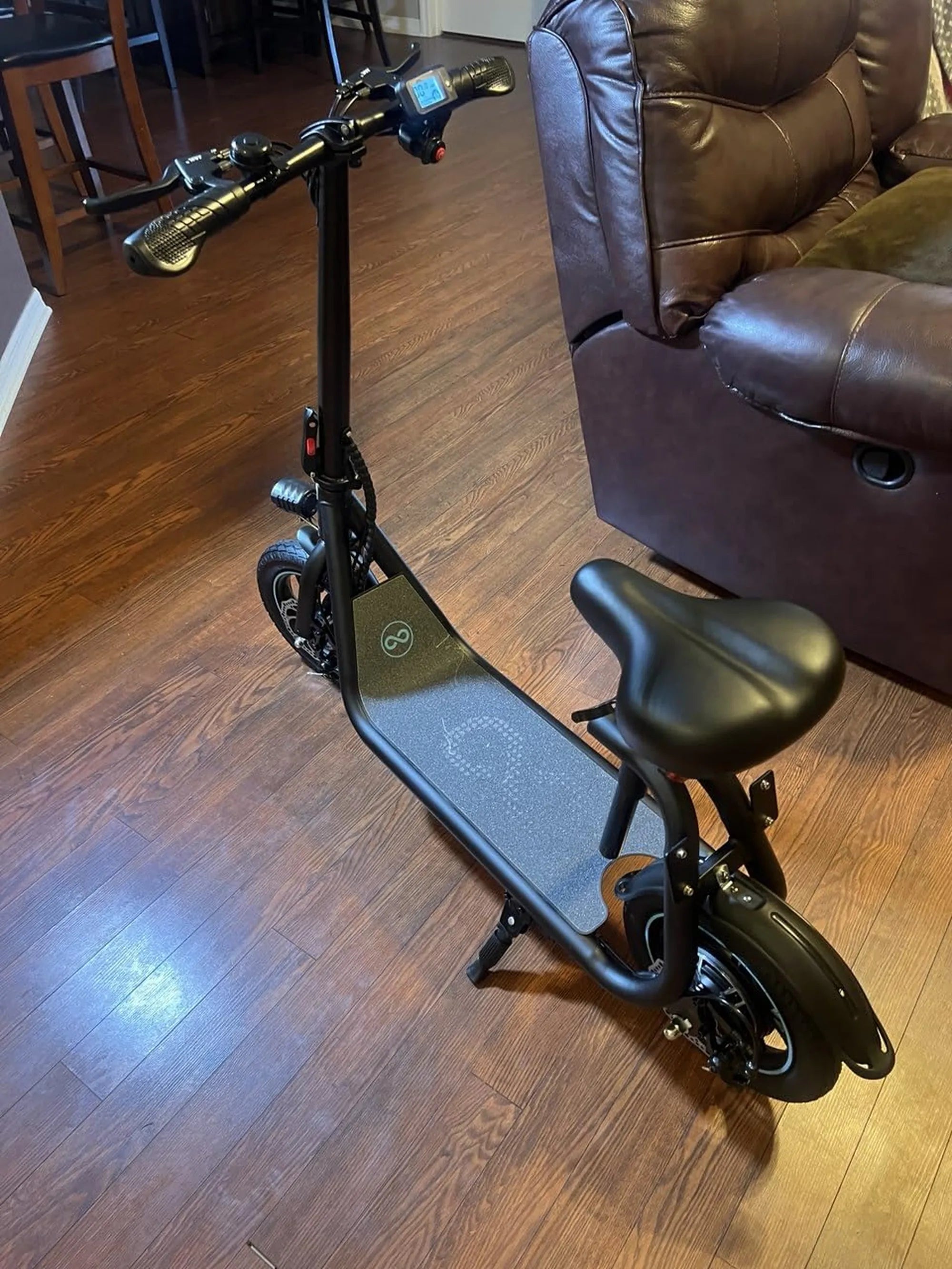
Riding a scooter is an exhilarating experience, but safety should always come first. One of the most critical components ensuring your safety on the road is the scooter parts turn signal. These small yet vital devices communicate your intentions to other road users, reducing the risk of accidents. Whether you're a seasoned rider or a beginner, understanding the role and maintenance of turn signals can make all the difference.
Why Turn Signals Are Essential for Scooters
Turn signals are not just a legal requirement in most regions; they are a lifeline for riders. Unlike cars, scooters are smaller and less visible, making it harder for other drivers to anticipate your moves. A functioning turn signal alerts drivers, cyclists, and pedestrians when you plan to turn or change lanes, giving them time to react accordingly. Without these signals, you’re essentially invisible on the road, increasing the likelihood of collisions.
How Scooter Turn Signals Work
Scooter turn signals operate on a simple yet effective mechanism. When activated, an electrical current flows through the bulb or LED, causing it to flash at a consistent interval. This flashing light is highly visible, even in low-light conditions. Modern scooters often feature self-canceling turn signals that automatically turn off after a set duration or when the scooter straightens its path. This innovation prevents riders from accidentally leaving their signals on, which can confuse other road users.
Types of Turn Signals for Scooters
There are several types of turn signals available for scooters, each with its own advantages:
- Bulb-Based Turn Signals: Traditional and cost-effective, these use incandescent bulbs. However, they consume more power and have a shorter lifespan.
- LED Turn Signals: Energy-efficient and durable, LED signals are brighter and last longer than bulb-based options. They are increasingly popular in modern scooters.
- Integrated Turn Signals: These are built into the scooter's body or mirrors, offering a sleek and aerodynamic design while maintaining functionality.
Maintaining Your Scooter's Turn Signals
Regular maintenance ensures your turn signals remain in top condition. Here are some tips:
- Check for Damage: Inspect the lenses and housings for cracks or moisture buildup, which can impair visibility.
- Test Functionality: Activate your turn signals before every ride to ensure they’re working correctly.
- Clean Regularly: Dirt and grime can dim the lights. Wipe them clean with a soft cloth.
- Replace Faulty Components: If a bulb or LED stops working, replace it immediately to avoid compromising your safety.
Upgrading Your Turn Signals
If your scooter’s turn signals are outdated or unreliable, consider upgrading to a more advanced system. LED turn signals, for example, offer superior brightness and longevity. Some riders opt for aftermarket turn signal kits that include additional features like sequential lighting or enhanced visibility angles. Always ensure any upgrades comply with local regulations to avoid legal issues.
The Legal Aspect of Turn Signals
In many jurisdictions, functioning turn signals are mandatory for scooters. Failing to use them can result in fines or penalties. Even if your scooter is small and nimble, you’re still required to signal your intentions just like any other vehicle. Familiarize yourself with local laws to stay compliant and safe.
Common Turn Signal Issues and Fixes
Turn signals can encounter problems over time. Here are some common issues and how to address them:
- Rapid Flashing: This usually indicates a burnt-out bulb or a faulty relay. Replace the bulb or relay to resolve the issue.
- No Light: Check the fuse, wiring, and switch. A blown fuse or loose connection could be the culprit.
- Dim Light: Clean the lens and check the voltage. Low battery power can also cause dimming.
The Future of Scooter Turn Signals
As technology advances, so do scooter turn signals. Future innovations may include smart turn signals that sync with GPS to auto-activate based on your route, or adaptive lighting that adjusts brightness based on ambient conditions. These advancements promise to make riding even safer and more convenient.
Your scooter’s turn signals are more than just blinking lights—they’re your voice on the road. Keeping them in perfect working order ensures you’re seen and understood by everyone around you. Don’t underestimate their importance; a well-maintained turn signal could be the difference between a smooth ride and a dangerous mishap.
85cc Dirt Bike Price: What to Expect When Buying Your First Off-Road Machine
Men's Dirt Bike Gear: The Ultimate Guide to Safety and Performance