

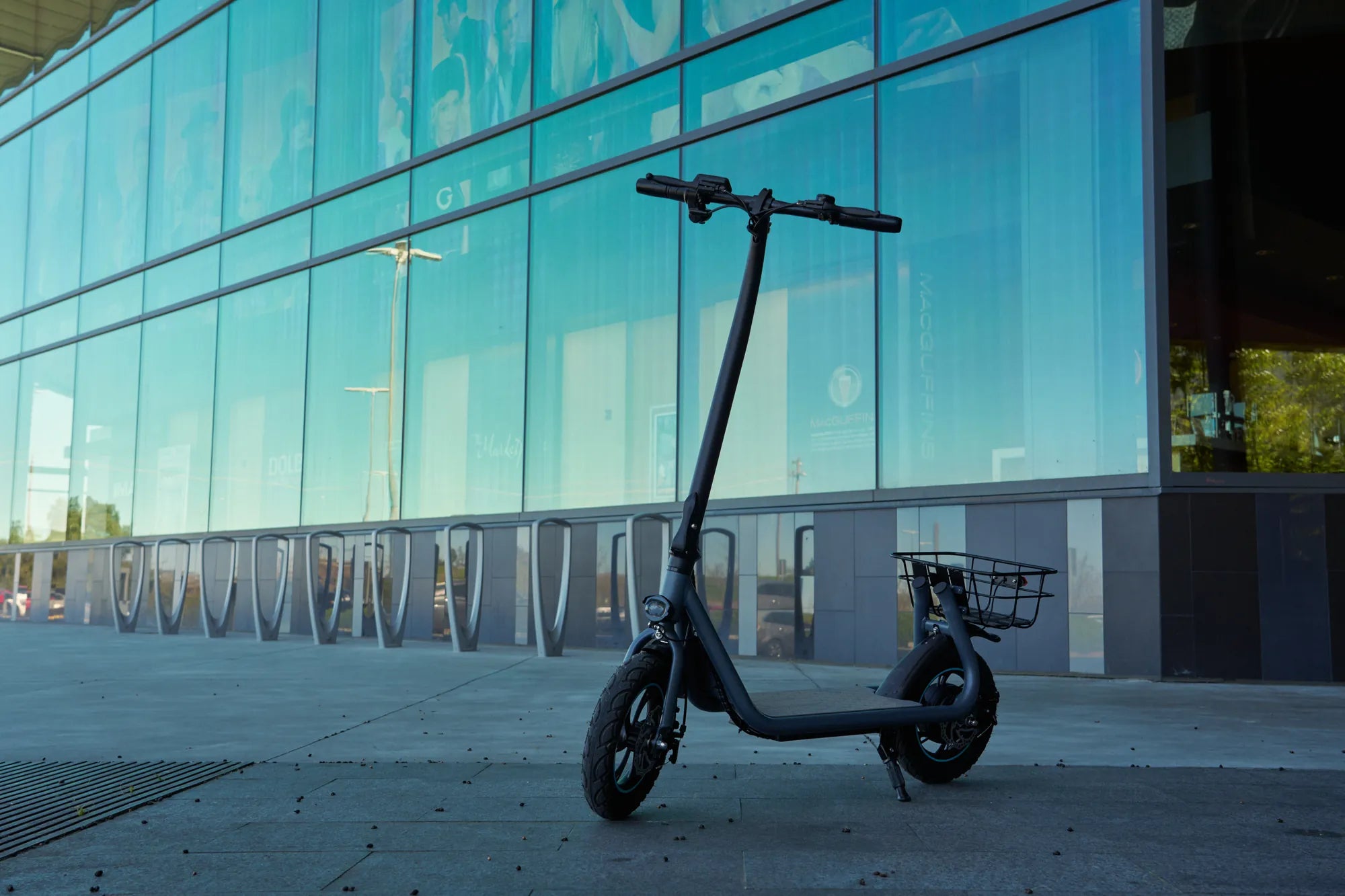
Electric scooters have taken urban transportation by storm, offering a convenient and eco-friendly alternative to traditional commuting methods. But what determines the scooter rate? Whether you're a daily commuter or an occasional rider, understanding the pricing dynamics can help you make smarter choices. Let's dive into the factors that shape scooter rates and how they impact your wallet.
Demand and Supply Dynamics
The scooter rate is heavily influenced by the basic economic principle of demand and supply. In densely populated urban areas, where traffic congestion is a major issue, the demand for scooters tends to skyrocket. This increased demand often leads to higher rental or purchase rates. Conversely, in smaller towns or less crowded areas, rates may be more affordable due to lower demand.
Location and Accessibility
Location plays a pivotal role in determining scooter rates. Scooters stationed in high-traffic zones, such as city centers or near public transit hubs, often come with a premium price tag. On the other hand, scooters in suburban or less accessible areas may be cheaper. Companies adjust rates based on where the scooters are parked to maximize usage and profitability.
Time of Day and Peak Hours
Just like ride-sharing services, scooter rates can fluctuate depending on the time of day. During peak commuting hours—typically early mornings and late afternoons—rates may surge due to higher demand. If you're looking to save, consider riding during off-peak times when rates are more competitive.
Maintenance and Operational Costs
The condition and maintenance of scooters also affect their rates. Well-maintained scooters with longer battery life and smoother performance often command higher prices. Companies factor in the cost of repairs, charging, and fleet management when setting rates, which can vary depending on the service provider.
Regulations and Local Policies
Local regulations can significantly impact scooter rates. Cities with strict permitting requirements or high fees for scooter operators may see those costs passed on to consumers. Additionally, areas with limited parking or riding zones might have higher rates due to operational constraints.
Weather and Seasonal Trends
Weather conditions and seasonal changes can also influence scooter rates. In colder months or during rainy seasons, demand may drop, leading to lower rates. Conversely, sunny and warm weather often sees a spike in ridership, pushing rates upward.
Subscription Models and Discounts
Many scooter companies offer subscription plans or bulk discounts to frequent riders. These options can significantly reduce the effective scooter rate, making them a cost-effective choice for regular commuters. Always check for promotional offers or loyalty programs to maximize savings.
Competition Among Providers
The presence of multiple scooter providers in a single area can drive rates down as companies compete for customers. In markets with limited competition, however, rates may remain higher due to a lack of alternatives.
Environmental and Economic Benefits
Beyond pricing, scooters offer undeniable environmental and economic benefits. They reduce carbon emissions, alleviate traffic congestion, and provide an affordable transportation option. These advantages often justify the scooter rate for many users, making them a popular choice in urban settings.
Whether you're zipping through the city or exploring a new neighborhood, understanding the factors behind scooter rates empowers you to ride smarter. Keep an eye on demand trends, location-based pricing, and seasonal fluctuations to get the best deal. Ready to hop on and enjoy the ride? The perfect scooter at the right rate is just around the corner.
Sell Scooter: The Ultimate Guide to Maximizing Your Profit
Best Rated E Scooter UK: Top Picks for 2024