

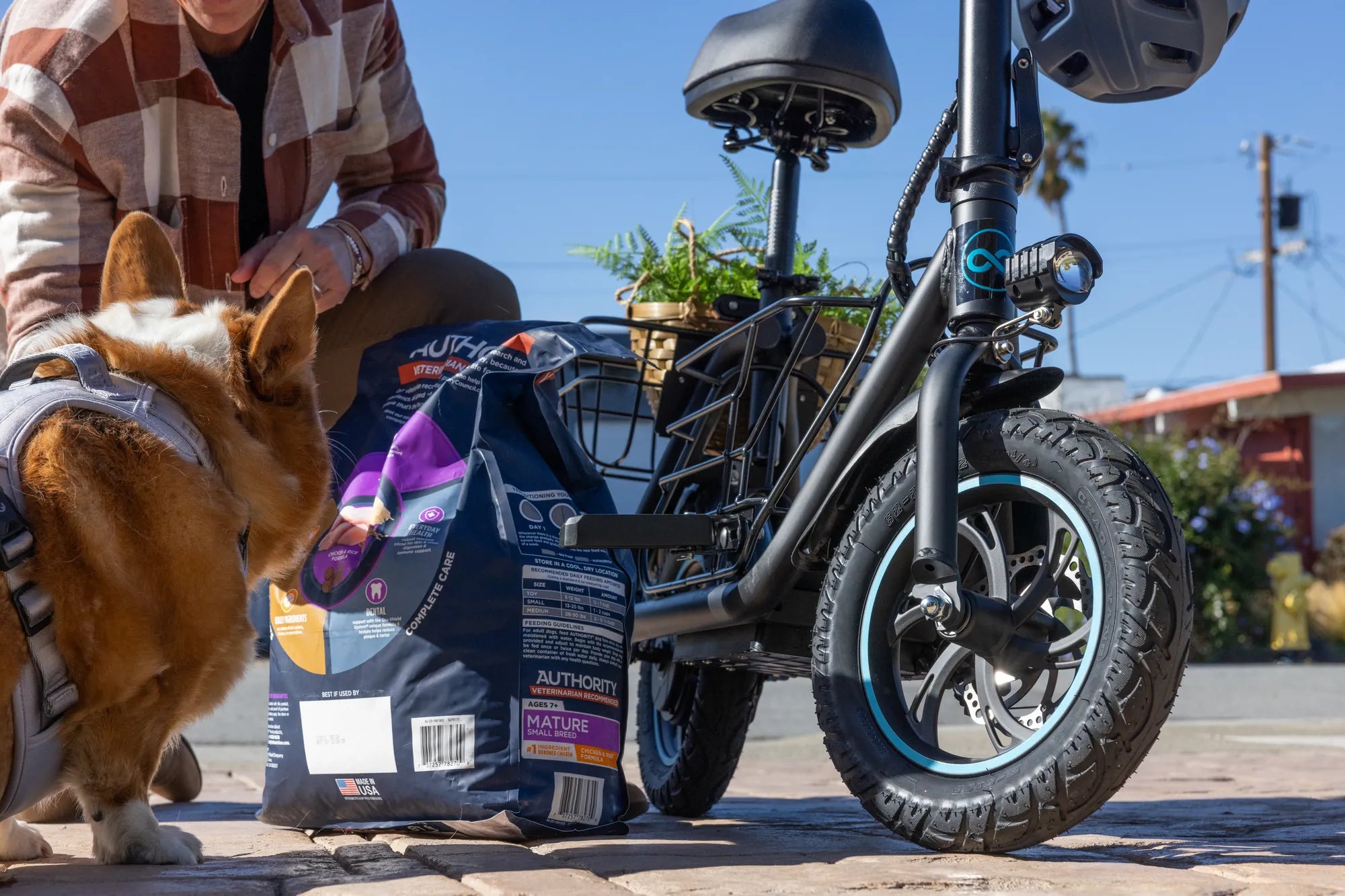
Riding a scooter is all about freedom, speed, and efficiency—but none of that matters if your tires aren’t in top shape. Scooter tire pressure might seem like a minor detail, but it’s the unsung hero of your ride’s performance, safety, and longevity. Whether you’re a daily commuter or a weekend adventurer, understanding and maintaining the right tire pressure can make all the difference. Let’s dive into the world of scooter tire pressure and unlock the secrets to a smoother, safer ride.
Why Scooter Tire Pressure Matters
Proper tire pressure is critical for several reasons. Underinflated tires can lead to poor handling, increased rolling resistance, and even blowouts. Overinflated tires, on the other hand, reduce traction and make your ride uncomfortably bumpy. The right pressure ensures optimal grip, fuel efficiency, and tire lifespan.
How to Check Scooter Tire Pressure
Checking your scooter’s tire pressure is a simple yet essential task. Here’s how to do it right:
- Use a reliable tire pressure gauge.
- Check the pressure when the tires are cold for accurate readings.
- Refer to your scooter’s manual for the recommended PSI (pounds per square inch).
- Adjust the pressure as needed using an air compressor.
Recommended Tire Pressure for Scooters
Most scooters require a tire pressure between 25 and 35 PSI, but this can vary based on the model and tire type. Always check the manufacturer’s guidelines or the sticker on your scooter’s frame for the exact numbers. Remember, front and rear tires may have different pressure requirements.
Signs of Incorrect Tire Pressure
How do you know if your scooter’s tire pressure is off? Look for these telltale signs:
- Uneven tire wear
- Reduced fuel efficiency
- Poor handling or wobbling
- Excessive vibration
Tips for Maintaining Optimal Tire Pressure
Keeping your scooter’s tires at the right pressure doesn’t have to be a chore. Follow these tips to stay on track:
- Check the pressure at least once a month.
- Invest in a quality tire pressure gauge.
- Avoid overloading your scooter, as excess weight can affect tire pressure.
- Inspect tires regularly for punctures or damage.
The Impact of Weather on Tire Pressure
Temperature changes can cause tire pressure to fluctuate. Cold weather typically lowers pressure, while hot weather can increase it. Be mindful of seasonal adjustments to keep your scooter performing at its best.
Common Myths About Scooter Tire Pressure
Let’s debunk some common misconceptions:
- Myth: Higher pressure always means better performance. Truth: Overinflation can reduce traction and comfort.
- Myth: You can eyeball tire pressure. Truth: Always use a gauge for accuracy.
- Myth: All tires require the same pressure. Truth: Pressure varies by scooter model and tire type.
Your scooter’s tire pressure is more than just a number—it’s the key to a safer, smoother, and more efficient ride. By staying vigilant and following these guidelines, you’ll not only extend the life of your tires but also enjoy every journey to the fullest. Don’t let improper tire pressure slow you down; take control today and ride with confidence!
Men's 10 Speed Bike: The Ultimate Guide to Performance and Versatility
Scooter for Child 3 Years: The Ultimate Guide to Choosing the Perfect Ride