

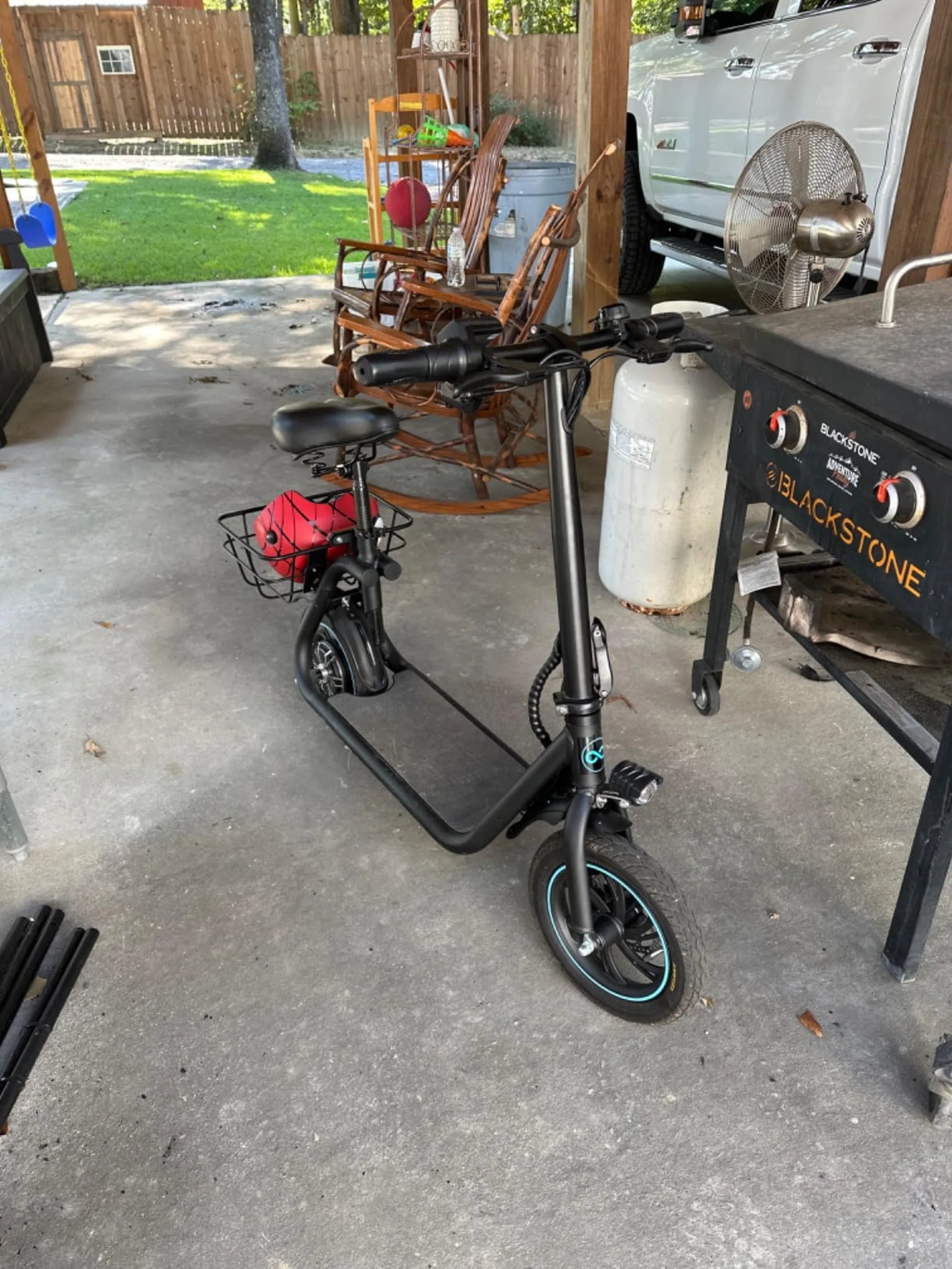
The United States is witnessing a revolution in urban mobility, and scooters are at the forefront of this transformation. From bustling city streets to suburban neighborhoods, electric scooters have become a symbol of convenience, sustainability, and freedom. Whether you're a daily commuter or a weekend explorer, the scooter craze is impossible to ignore. But what’s driving this surge in popularity, and how is it reshaping the way Americans move?
The Evolution of Scooters in the U.S.
Scooters have come a long way from being simple, gas-powered machines to sleek, electric-powered marvels. In the early 2000s, scooters were primarily seen as recreational vehicles or niche transportation options. However, advancements in battery technology and a growing emphasis on sustainability have propelled them into the mainstream. Today, they’re a common sight in cities across the United States, offering a practical alternative to cars and public transit.
Why Scooters Are Gaining Popularity
Several factors contribute to the rising demand for scooters in the U.S. First, they’re incredibly cost-effective. Compared to owning a car, scooters require minimal maintenance, no fuel costs, and often no parking fees. Second, they’re eco-friendly, producing zero emissions and helping reduce urban carbon footprints. Third, scooters are perfect for navigating congested city streets, allowing riders to bypass traffic and reach their destinations faster.
The Impact on Urban Transportation
Scooters are transforming urban transportation by filling the gap between walking and driving. They’re particularly popular for short-distance trips, often referred to as "last-mile" solutions. Cities like Los Angeles, New York, and Austin have embraced scooter-sharing programs, making it easier than ever for residents to access this mode of transport. These programs not only reduce traffic congestion but also promote healthier, more active lifestyles.
Challenges and Regulations
Despite their benefits, scooters aren’t without challenges. Safety concerns, such as accidents and injuries, have prompted cities to implement stricter regulations. Helmet laws, speed limits, and designated parking zones are becoming more common. Additionally, the rapid influx of scooters has led to cluttered sidewalks, sparking debates about public space usage. Balancing innovation with regulation will be key to the long-term success of scooters in the U.S.
The Future of Scooters in America
The future looks bright for scooters in the United States. As technology continues to improve, we can expect even more efficient, durable, and affordable models. Innovations like swappable batteries and smart connectivity are already on the horizon. Moreover, as cities invest in better infrastructure—such as dedicated bike and scooter lanes—the riding experience will become safer and more enjoyable.
Ready to join the scooter revolution? Whether you're looking to reduce your carbon footprint, save money, or simply enjoy the thrill of the ride, there’s never been a better time to hop on a scooter. The streets are calling—will you answer?
Battery Powered Standing Scooter: The Future of Urban Mobility
Scooters That Go 60 MPH: The Ultimate Guide to High-Speed Riding