



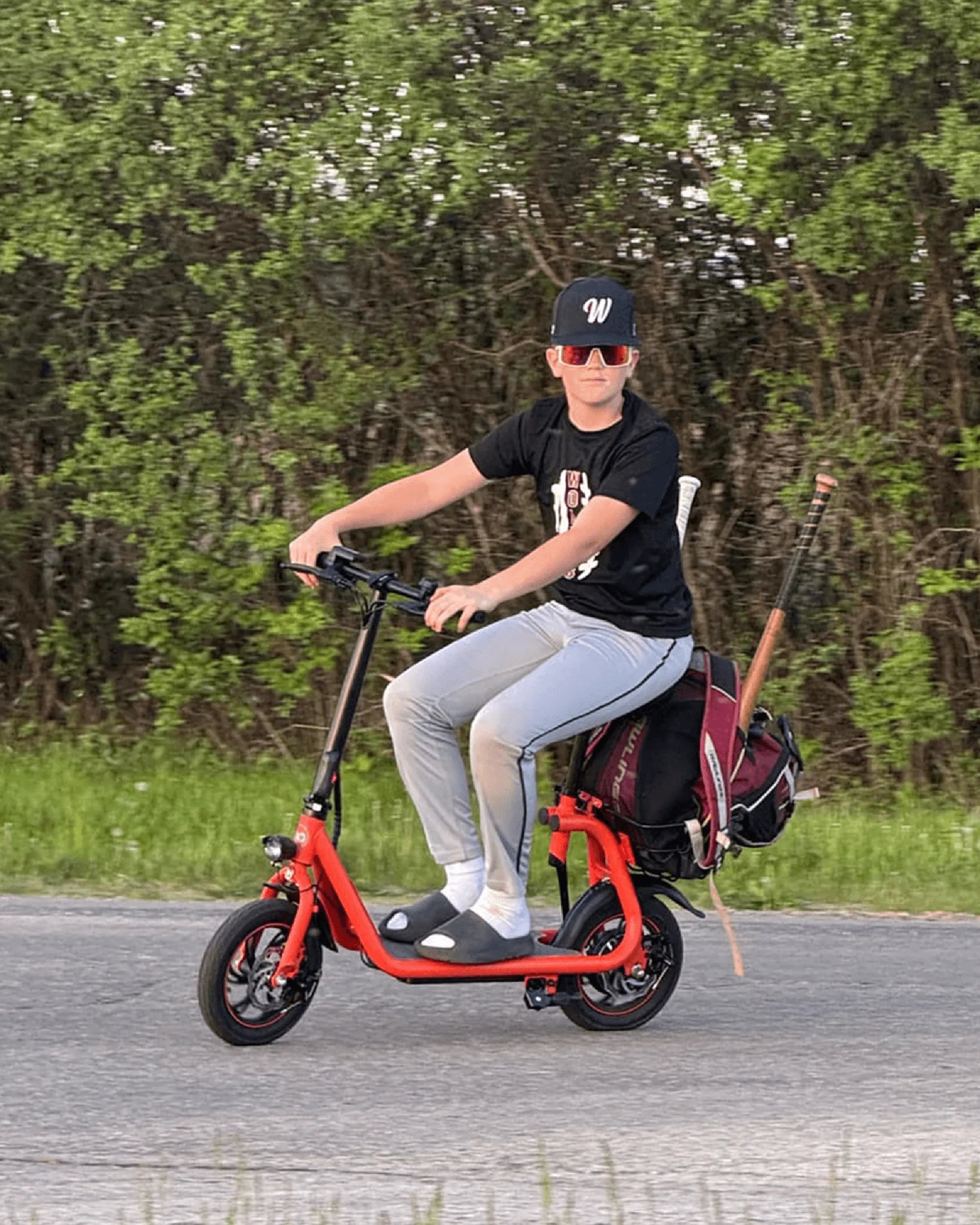
From bustling city streets to college campuses, scooters have become an undeniable part of the American urban landscape. These compact, electric-powered vehicles have revolutionized short-distance travel, offering a convenient and eco-friendly alternative to cars and public transit. But how did scooters rise to prominence, and what challenges do they face in the US market?
The Rise of Scooters in the US
The scooter boom in the US began around 2017, when dockless electric scooters started appearing in major cities. Their appeal was immediate: affordable, easy to use, and perfect for last-mile connectivity. Urban commuters quickly embraced them as a solution to traffic congestion and parking woes. By 2019, scooter rides had surpassed 86 million trips annually, with cities like Los Angeles, Austin, and Washington D.C. leading the adoption.
Why Scooters Gained Popularity
Scooters offer several advantages that explain their rapid adoption:
- Convenience: With smartphone apps, users can locate and unlock scooters in seconds.
- Cost-Effective: Short trips often cost less than rideshares or parking fees.
- Eco-Friendly: Electric scooters produce zero emissions, aligning with growing environmental consciousness.
- Traffic Relief: They reduce congestion by taking cars off the road for short trips.
Challenges Facing Scooters in the US
Despite their popularity, scooters have faced significant hurdles:
- Safety Concerns: Accidents and injuries have led to calls for better rider education and infrastructure.
- Regulatory Battles: Cities struggle to balance innovation with public safety, leading to varying regulations.
- Vandalism and Theft: Scooters often end up damaged or in waterways, creating operational challenges.
- Parking Issues: Haphazard parking has frustrated pedestrians and business owners.
The Future of Scooters in Urban America
As cities adapt, several trends are shaping the future of scooters:
- Improved Infrastructure: Dedicated bike lanes and parking zones are becoming more common.
- Technology Advancements: Better batteries, GPS tracking, and AI are enhancing reliability and safety.
- Subscription Models: Monthly plans are making scooters more accessible for regular commuters.
- Integration with Public Transit: Cities are exploring ways to combine scooters with buses and trains for seamless travel.
Love them or hate them, scooters are here to stay—and they're evolving fast. Whether you're a daily rider or a skeptic, one thing's clear: scooters have permanently changed how Americans move through their cities. The next time you see one zipping by, remember—it's not just a trend, it's the future of urban mobility.
E Scooter Max Range: How Far Can You Really Go on a Single Charge?
E Scooter 25km: The Ultimate Guide to Long-Distance Electric Scooting