


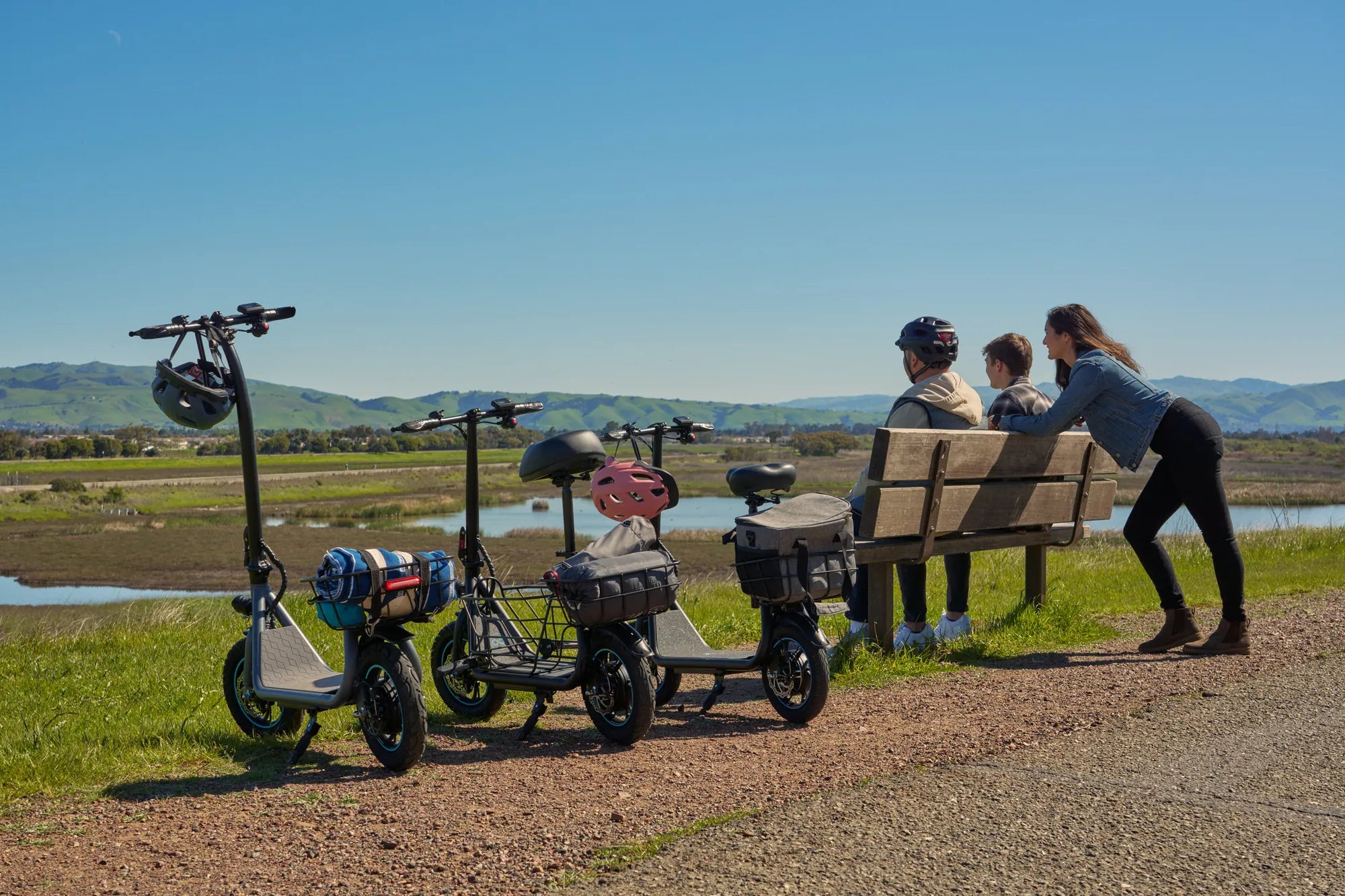
Ever wondered how a self-balancing electric scooter defies gravity and keeps you upright effortlessly? These futuristic devices have taken personal transportation by storm, blending advanced engineering with intuitive controls to create a seamless riding experience. Let’s dive into the science behind how they work.
The Core Components of a Self-Balancing Electric Scooter
At the heart of every self-balancing electric scooter are several key components that work together to maintain stability and control. These include:
- Gyroscopic Sensors: These detect the scooter's tilt and orientation in real-time.
- Accelerometers: They measure acceleration and help adjust the scooter's balance.
- Electric Motors: Powered by rechargeable batteries, these motors drive the wheels.
- Control Board: The brain of the scooter, processing sensor data and adjusting motor output.
- Battery Pack: Provides the necessary power to keep the scooter running.
How the Self-Balancing Mechanism Works
The magic of a self-balancing electric scooter lies in its ability to mimic the human body's natural balance. Here's a step-by-step breakdown:
- Sensing the Rider's Movement: When you lean forward, the gyroscopic sensors and accelerometers detect the shift in weight.
- Processing the Data: The control board interprets the sensor data and calculates the necessary adjustments.
- Adjusting the Motors: The electric motors respond by speeding up or slowing down to counteract the lean and restore balance.
- Maintaining Stability: This continuous feedback loop ensures the scooter remains upright as long as it's powered on.
The Role of Gyroscopic Stabilization
Gyroscopic stabilization is a critical part of how self-balancing electric scooters work. The gyroscope measures the scooter's angular velocity, allowing it to detect even the slightest changes in tilt. This data is then used to make micro-adjustments to the motors, ensuring smooth and stable movement.
Power and Efficiency: The Battery System
Self-balancing electric scooters rely on high-capacity lithium-ion batteries to power their motors and electronics. These batteries are lightweight yet powerful, providing enough energy for extended rides. Advanced battery management systems optimize power usage, ensuring efficient performance and longer lifespans.
Safety Features and User Controls
Modern self-balancing electric scooters come equipped with multiple safety features, including:
- Speed Limiters: Prevent the scooter from exceeding safe speeds.
- LED Lights: Enhance visibility during night rides.
- Auto-Shutoff: Turns the scooter off if it detects a fall or malfunction.
Riders control the scooter using intuitive foot pads or handlebars, depending on the model. Leaning forward accelerates, while leaning back slows down or reverses.
The Future of Self-Balancing Electric Scooters
As technology advances, self-balancing electric scooters are becoming smarter and more efficient. Innovations like AI-assisted balance control, regenerative braking, and improved battery tech are set to revolutionize the industry. These devices are not just a fun way to get around—they’re paving the way for the future of urban mobility.
Ready to experience the thrill of gliding effortlessly on a self-balancing electric scooter? Now that you know how they work, it’s time to hop on and enjoy the ride!
Electric Scooter Cleaning: The Ultimate Guide to Keeping Your Ride Spotless
China Electric Two Wheel Scooter: The Future of Urban Mobility