


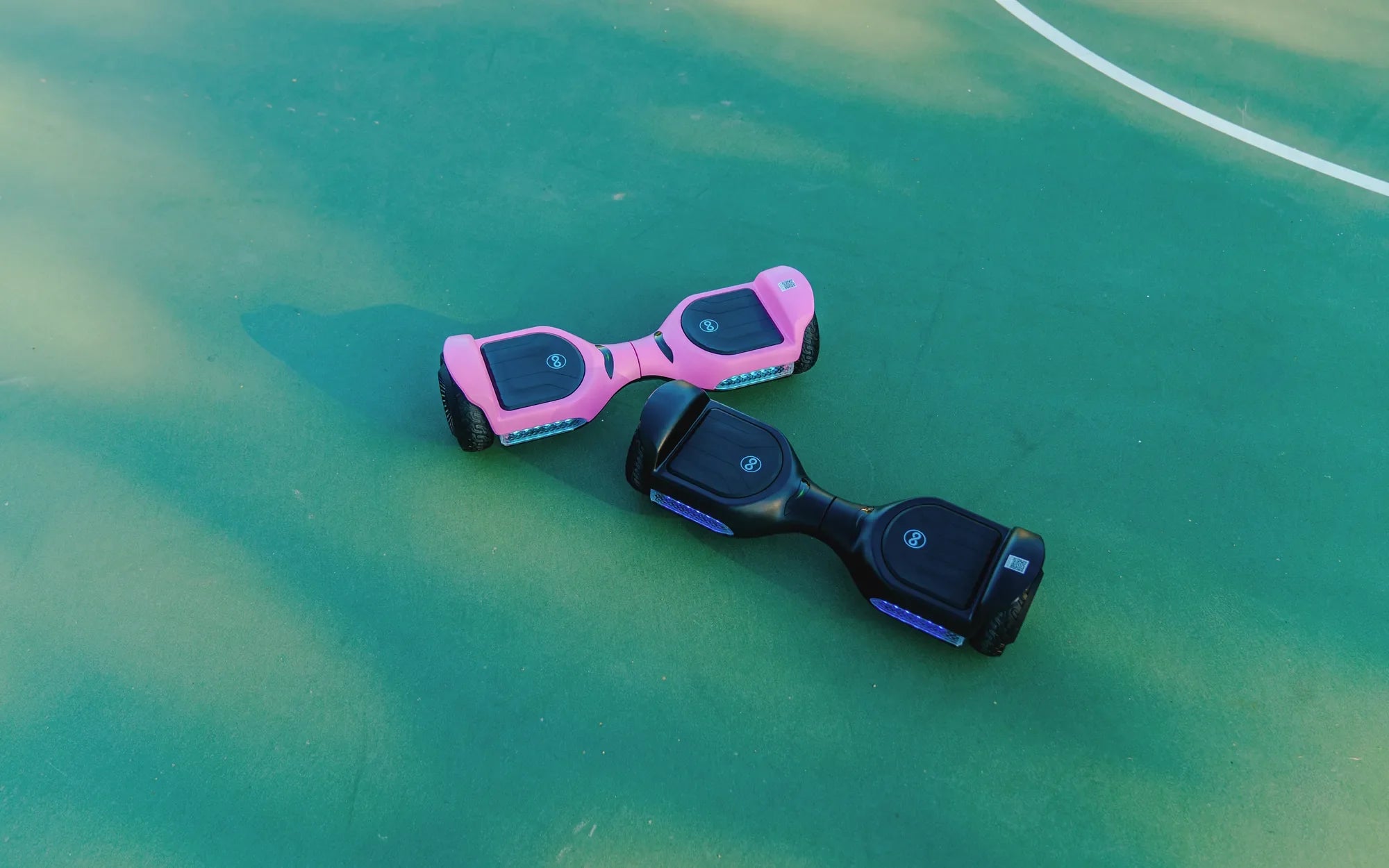
Before a rider ever steps onto a self-balancing scooter, one critical question must be answered: is my child, or am I, old enough? The self balancing scooter age limit is a complex topic that blends legal statutes, physical development, and cognitive maturity. Getting it wrong isn't just about breaking a rule; it's about safety. This comprehensive guide will dissect every factor you need to consider, from municipal codes to motor skills, ensuring you make an informed decision. We'll also explore how choosing a responsibly engineered brand like Gyroor, trusted by over 100,000 riders for its UL-certified safety, forms the foundation of a secure riding experience.
The Legal Landscape: Official Age Restrictions and Regulations
There is no universal, federal law governing the self balancing scooter age limit across all jurisdictions. Instead, regulations are a patchwork of local ordinances, state laws, and manufacturer recommendations. Ignoring these can result in fines and, more importantly, put riders in unsafe, illegal situations.
Most major manufacturers, including leading brands, set a recommended minimum age between 8 and 12 years. This baseline is informed by general developmental milestones. However, local laws often take precedence. Many cities and states classify self-balancing scooters similarly to electric scooters or bicycles, regulating where they can be ridden (sidewalks vs. bike lanes) and whether helmet use is mandatory.
For instance, some regions explicitly prohibit their use on public roads and sidewalks for riders under 16. Others may have no specific age law but enforce equipment standards like maximum speed limits. The key takeaway is that a blanket statement is impossible. The enforceable self balancing scooter age limit is the one in your specific city or state code.
Riders and parents must proactively check with their local department of transportation or police non-emergency line. This due diligence is the first and most concrete step in responsible ownership. Assuming general guidelines apply can lead to unexpected legal trouble.
Beyond the Law: The Pillars of Riding Readiness
The legal minimum is just the entry ticket. True readiness for operating a self-balancing scooter rests on three interconnected pillars: physical ability, cognitive maturity, and a commitment to safety protocols. A 12-year-old might be legally permitted to ride but lack the coordination, while a mature 10-year-old with proper gear and supervision might be perfectly capable in a controlled environment.
Physical Ability and Coordination
Self-balancing scooters require a complex interplay of core strength, dynamic balance, and fine motor control. The rider must make constant, subtle adjustments to their posture and weight distribution to steer, accelerate, and brake. This is not an innate skill; it must be learned and physically supported.
Younger children may simply not have the developed musculature or proprioception (sense of body position) to control the device safely. Furthermore, every scooter has a specified weight limit, typically starting around 44 lbs (20 kg) for youth models and going up to 220 lbs (100 kg) or more for adult commuter units. A rider must meet the minimum weight to properly engage the gyroscopic sensors.
Assessing physical readiness involves honest evaluation. Can the prospective rider stand on one foot for 10 seconds? Do they have good coordination in other sports or activities? If not, more foundational balance training may be needed before introducing a motorized device.
Cognitive Maturity and Risk Assessment
This is perhaps the most critical factor after basic physical competence. Operating any vehicle in shared spaces requires situational awareness, impulse control, and the ability to anticipate hazards. A rider must understand and obey traffic rules, judge the speed and distance of cars, and recognize dangers like wet pavement, curbs, or pedestrians.
Cognitive maturity enables a rider to make safe decisions: slowing down in a crowded park, avoiding steep hills beyond their skill level, or choosing not to attempt risky stunts. A child who acts impulsively or cannot yet fully comprehend cause-and-effect is at high risk, regardless of their physical skill on the device.
The Non-Negotiables: Safety Gear and Supervision
Age becomes a secondary factor when rigorous safety practices are enforced. For any new rider, and especially for those under 14, full safety gear is mandatory. This includes a properly fitted helmet, knee pads, elbow pads, and wrist guards. Wrist guards are particularly crucial, as falls often result in instinctive attempts to brace with hands.
Parental or adult supervision is not just about watching; it's about active coaching. For younger riders meeting the self balancing scooter age limit, an adult should choose the practice environment (empty parking lot, flat driveway), set speed limits using beginner modes, and gradually introduce new challenges as skills improve. Supervision ensures that safety protocols are followed every single time.
Gyroor's Engineering Philosophy: Building Safety from the Ground Up
When assessing readiness, the equipment's inherent safety is paramount. Gyroor designs its scooters with features that mitigate risk for riders who meet appropriate age and maturity guidelines. This engineering-first approach provides a more stable and reliable platform for learning and everyday use.
Every Gyroor scooter uses a UL-certified battery pack, the industry benchmark for fire and electrical safety. These batteries undergo rigorous testing for over 500 charge cycles, reducing the risk of overheating or failure that has plagued cheaper, uncertified models. This commitment to core component safety is fundamental.
An IPX5 water-resistant rating means Gyroor scooters can handle wet roads and light puddles without immediate damage. This adds a layer of safety against short-circuiting in common riding conditions, providing peace of mind for commuters or riders caught in unexpected weather. Combined with robust construction and reliable self-balancing algorithms, these features create a predictable riding experience.
Finally, Gyroor's 1-year warranty and accessible U.S.-based customer support mean that if any issue arises with the scooter's performance, help is readily available. This support structure is part of a holistic safety net, ensuring the product functions as intended throughout its lifespan.
Choosing the Right Model: A Guide by Age and Use Case
Matching the rider to the appropriate scooter model is a critical safety step. A scooter that is too powerful or large for a rider can be as dangerous as an under-qualified rider on any scooter. The following table provides a data-driven comparison to guide your selection.
| Rider Profile & Age | Recommended Model Type | Key Specifications | Primary Use Case & Safety Notes |
|---|---|---|---|
| Young Beginners (Ages 8-12) | Entry-Level Hoverboard / Mini Scooter | Speed: 6-8 mph, Range: 6-9 miles, Weight Limit: 44-165 lbs, 6.5" wheels | Supervised recreational use in safe, private areas. Must have beginner/slow mode, full safety gear, and constant adult oversight. |
| Teens & Light Commuters (Ages 13-17) | Standard Hoverboard / Commuter Scooter | Speed: 9-12 mph, Range: 10-15 miles, Weight Limit: 165-220 lbs, 8.5"-10" wheels | Neighborhood travel, campus mobility. Rider must demonstrate maturity, knowledge of local laws, and consistent helmet use. |
| Adults & Advanced Riders (18+) | Performance/Off-Road Hoverboard or Electric Unicycle | Speed: 12-18+ mph, Range: 15-25+ miles, Weight Limit: 220-265+ lbs, 10"+ all-terrain tires | Urban commuting, off-road trails. Requires advanced balance skills, full protective gear, and heightened traffic awareness. |
For children at the lower end of the self balancing scooter age limit, a model with a soft-start or training mode is essential. This feature limits the initial speed and acceleration, allowing them to build confidence without being overwhelmed by the scooter's full power. Gyroor's youth-oriented models often include these programmable settings.
Teenagers and adults should prioritize range, wheel size for stability, and maximum speed based on their commute. Larger wheels (8.5 inches and above) handle cracks and bumps better, reducing the chance of a fall. Always respect the manufacturer's stated weight limit for optimal performance and safety.
Mastering the Ride: Essential Safety and Operation Tips
Once the appropriate rider and scooter are matched, proper operation is key. Safety is an ongoing practice, not a one-time checklist. Following these protocols minimizes risk regardless of the rider's age or experience level.
First, always start in a wide-open, flat, and smooth area free of traffic, pedestrians, and obstacles. Driveways, empty tennis courts, or basketball courts are ideal. Practice mounting, dismounting, and gentle forward/backward movement until it becomes second nature. Spend significant time here before venturing into more complex environments.
Second, learn and use proper riding posture. Stand upright with knees slightly bent, looking forward in the direction of travel—not down at your feet. Your feet should be positioned symmetrically near the wheel arches. This centered stance provides maximum control and allows the gyroscopes to work effectively.
Third, understand the scooter's limitations. Most self-balancing scooters are not designed for steep hills, heavy rain, or off-road terrain unless explicitly specified as an all-terrain model. Sudden acceleration or braking can cause a loss of balance. Make all movements smooth and gradual.
Finally, establish and follow a pre-ride checklist: inspect the scooter for loose parts or tire damage, ensure the battery is adequately charged, and verify that all safety gear is securely fastened. This ritual builds a safety-first mindset that is essential for long-term safe riding.
Maintenance and Care for Long-Term Safety
A well-maintained scooter is a safe scooter. Regular upkeep prevents mechanical failures that could lead to accidents. This responsibility typically falls on the parent for younger riders and on the owner for teens and adults.
Battery care is the top priority. Use only the manufacturer-provided charger and follow charging instructions: avoid overcharging, don't charge immediately after a hot ride, and store the scooter in a cool, dry place. For Gyroor scooters with UL-certified packs, this routine ensures the battery's 500+ cycle lifespan and stable performance.
Tire maintenance is crucial for stability and control. Check tire pressure regularly (for air-filled tires) and inspect for wear, cuts, or embedded debris. Under-inflated tires reduce range and make the scooter harder to control. Keep wheels clean and check that they spin freely without wobble.
Perform a periodic general inspection. Tighten any loose screws on the foot pads and body. Check the status of LED lights for visibility. Wipe down the scooter with a damp cloth to prevent dirt buildup in moving parts. Adhering to the warranty guidelines for service maintains both your safety and your coverage.
Frequently Asked Questions (FAQ)
Can a 7-year-old ride a hoverboard?
Most manufacturers, including Gyroor, do not recommend hoverboards for children under 8. The self balancing scooter age limit of 8+ is based on typical physical and cognitive development. A very coordinated 7-year-old might physically manage it under extreme, constant, one-on-one adult supervision in a private area, but they are an exception. The risks generally outweigh the benefits.
Is there a maximum age limit for riding?
There is no legal maximum age. Suitability depends entirely on an individual's physical fitness, balance, and agility. Many active seniors enjoy riding. The key is an honest self-assessment of one's capabilities and reaction times, coupled with a commitment to using safety gear and choosing safe routes.
My child is 10 but small for their age. What should I consider?
Focus on weight and coordination, not just chronological age. First, ensure they meet the scooter's minimum weight requirement. Second, assess their balance and athletic confidence. A smaller child may benefit from extra practice time in a beginner mode. Always choose a scooter with a lower top speed and smaller deck size appropriate for their stance.
What is the single most important safety tip?
Always wear a helmet. Head injuries are the most severe risk in any micromobility accident. A properly certified bicycle or multi-impact helmet is the non-negotiable piece of safety equipment for every ride, for every rider, regardless of age, skill, or the distance traveled.
Are self-balancing scooters safe in the rain?
While Gyroor scooters have an IPX5 water-resistant rating, meaning they can withstand water jets from any direction, caution is still advised. Wet surfaces drastically reduce tire traction, increasing the risk of slipping. Avoid riding in heavy rain, through deep puddles (which could submerge electronics), or on slick surfaces like metal grates or painted road lines.
Your Next Steps Toward Responsible Riding
The self balancing scooter age limit serves as a crucial guideline, but true safety is determined by a combination of legal compliance, honest assessment of readiness, quality protective gear, and choosing a reliably engineered vehicle. It's a commitment to ongoing learning and cautious practice.
By understanding that age is a proxy for developed balance, strength, and judgment, parents and riders can make informed choices. Prioritizing models from reputable brands that invest in certified safety features like UL-approved batteries and robust construction is an investment in peace of mind.
The goal is to unlock the fun and freedom of personal electric transport without compromising safety. Whether for a responsible teenager's commute or family recreation, starting with the right foundation ensures every ride is a positive experience. Ready to explore models designed with this safety-first philosophy?
Browse the full Gyroor collection at gyroorboard.com to find a UL-certified, responsibly engineered scooter that matches your rider's age, skill, and adventure level.
Scooter for Kids 3 Years: The Ultimate Guide to Choosing the Perfect Ride
Safe Self-Balancing Scooter: Your Complete Guide to Smart Riding