


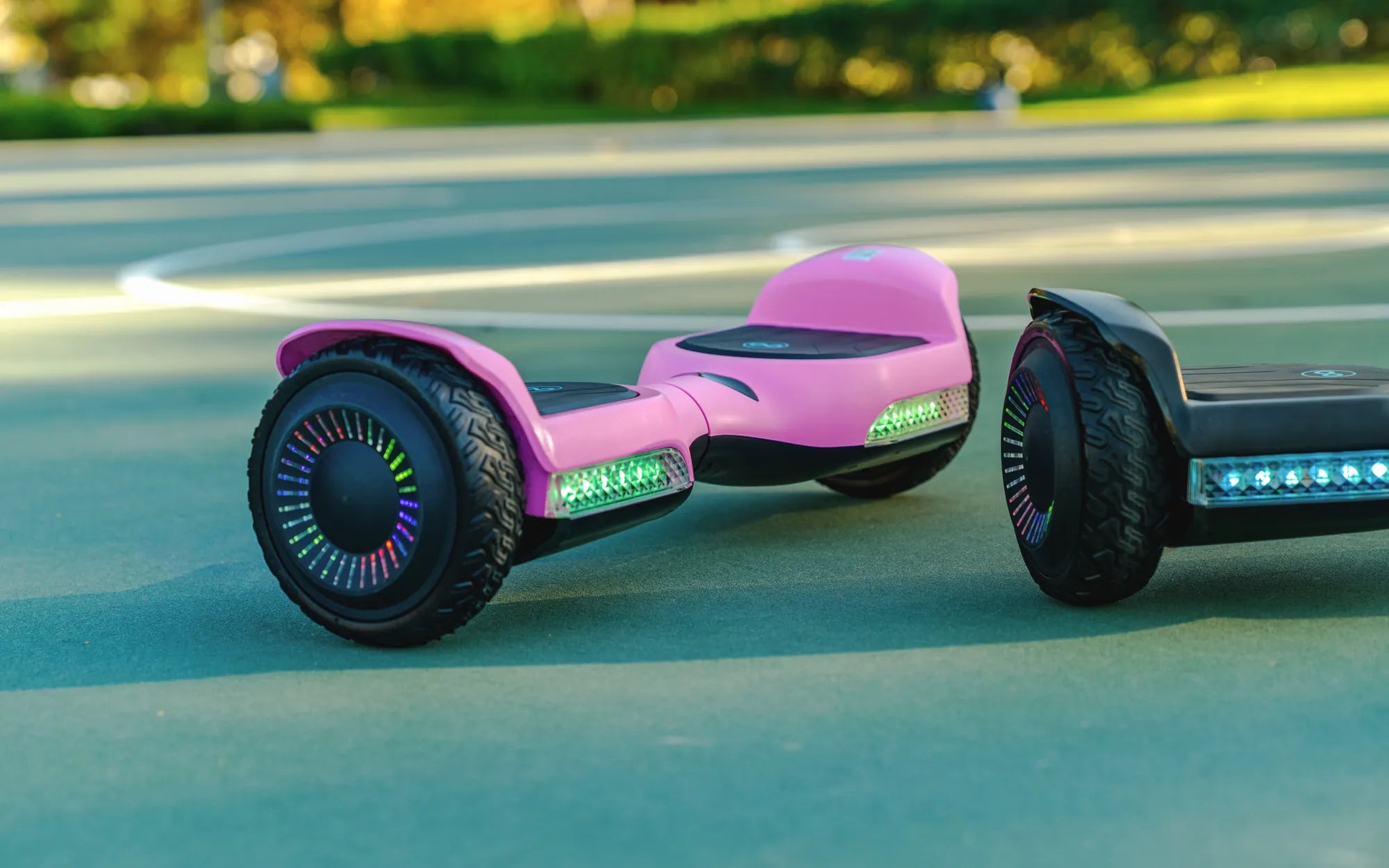
Finding a reliable self-balancing scooter for sale cheap requires navigating a market filled with both incredible value and significant risk. This guide cuts through the noise, providing the data-driven insights you need to make a smart purchase. You'll learn how to identify a true bargain that prioritizes certified safety and durability over just a low sticker price, understand the key specifications that matter for your needs, and discover where to find legitimate deals from trustworthy brands. We'll equip you with the knowledge to avoid hazardous products and invest in a scooter that delivers lasting satisfaction and safe rides.
Navigating the Market for Affordable Self-Balancing Scooters
A self-balancing scooter, commonly called a hoverboard, is a two-wheeled, battery-powered personal transporter. Riders control speed and direction by leaning forward or backward. The core challenge for buyers is identifying models that balance affordability with the non-negotiable elements of safety and reliability.
The market is segmented. On one end are ultra-low-cost, often unbranded units with enticing price tags. On the other are premium brands with higher price points. The sweet spot—and the focus of this guide—is the value segment where reputable manufacturers like Gyroor operate. These brands integrate critical safety certifications and robust build quality into competitively priced models.
Understanding this landscape is the first step to avoiding a costly mistake. A purchase based solely on the lowest price can lead to immediate disappointment or, worse, a safety incident. The goal is to shift your perspective from seeking the 'cheapest' to identifying the best 'value-for-money' option that won't compromise your well-being.
This guide will systematically deconstruct pricing, outline essential features, and provide a clear roadmap. By the end, you'll be able to confidently evaluate any self-balancing scooter for sale cheap and determine if it's a hidden gem or a hazard in disguise.
What Does "Cheap" Really Mean in Self-Balancing Scooters?
The term "cheap" has two distinct meanings in this context: low initial cost and long-term value. A scooter with a rock-bottom price tag is often cheap in construction, using substandard components that fail quickly. Conversely, a value-priced scooter from a reputable brand represents a smart investment with a higher upfront cost but lower total cost of ownership.
True affordability considers the entire lifespan of the product. It factors in durability, the need for repairs, and the potential cost of replacement. A $200 scooter that breaks in three months is far more expensive than a $350 scooter that provides reliable service for years. The latter is the genuine bargain.
Value-priced models achieve their cost-effectiveness through efficient design, direct-to-consumer sales models, and economies of scale—not by cutting corners on safety-critical components. They offer core performance and essential protections without the premium features of top-tier models, like Bluetooth speakers or app connectivity, which can inflate price.
When you see a self-balancing scooter for sale cheap, your first question should be, "What was sacrificed to reach this price?" If the answer involves the battery certification, motor quality, or frame integrity, walk away. The real goal is to find where safety and quality meet an accessible price point.
The Hidden Costs of Ultra-Low-Priced Models
Models priced significantly below market averages often carry severe hidden costs. The most critical risk is fire hazard due to non-certified lithium-ion battery packs. These batteries lack proper management systems, can overheat during charging or use, and have caused numerous documented safety incidents.
Beyond safety, build quality suffers. Expect fragile plastic shells that crack on first impact, weak motor magnets, and poor solder joints on circuit boards. These scooters frequently fail within weeks, leaving you with no product and no recourse, as warranty support is typically nonexistent.
Performance is also severely lacking. Motors may be underpowered, struggling with slight inclines or heavier riders. Advertised range figures are grossly exaggerated, with real-world performance often being less than half of what is promised. The riding experience is frustrating and limiting.
Finally, the lack of water resistance means even a small puddle can fry the electronics. With no customer service department to contact, you are left with a useless piece of plastic and electronics. The initial savings are quickly erased, making these the most expensive option in the long run.
Key Features to Prioritize for Safety and Value
To make an informed decision, you must evaluate specific features. Prioritizing these elements ensures your scooter is safe, durable, and capable of meeting your needs. This checklist serves as your filter when comparing any self-balancing scooter for sale cheap.
First, consider the rider weight limit and wheel size. A higher weight limit (typically 220 lbs or more) indicates a sturdier frame and more powerful motors. Larger wheels (8.5 inches or more) provide better stability and a smoother ride over cracks and bumps compared to smaller 6.5-inch wheels.
Second, examine the tire type. Solid rubber tires are maintenance-free but offer a harsher ride. Air-filled (pneumatic) tires provide superior shock absorption and traction, enhancing comfort, especially on uneven surfaces. For most adult riders, pneumatic tires are a significant upgrade.
Third, look at the charging time and battery management. A quality charger with overcharge protection is essential. Charging times between 2-4 hours are standard. Extremely fast or slow charge times can indicate poor battery or charger quality. A smart Battery Management System (BMS) is crucial for safety.
By focusing on these tangible specs alongside the critical certifications below, you move beyond marketing claims. You assess the engineering and build quality that directly impact your safety, comfort, and the scooter's longevity.
UL 2272 Certification: The Non-Negotiable Safety Standard
UL 2272 is a safety standard established by Underwriters Laboratories specifically for electrical systems in self-balancing scooters. It is not a mere suggestion; it is the fundamental baseline for a safe product. Certification involves rigorous testing of the battery pack, electrical circuits, and motor system against overcharge, vibration, shock, and water exposure.
A scooter without UL 2272 certification uses a battery pack that has not passed these critical tests. The risk of thermal runaway—a chain reaction leading to fire or explosion—is exponentially higher. In the mid-2010s, incidents involving uncertified hoverboards led to widespread recalls and bans by major airlines and retailers.
Always verify this certification. Do not rely on vague claims like "certified battery" or "meets safety standards." Look for the official "UL 2272" mark on the product, its packaging, or the manufacturer's website. No legitimate self-balancing scooter for sale cheap should lack this certification. It is the single most important factor in your buying decision.
Brands committed to safety, like Gyroor, build every model around UL 2272 certified battery packs. This certification is the result of significant investment in design and testing, which is why it's a key indicator separating reputable value brands from dangerous knock-offs.
Build Quality and IP Rating: Ensuring Durability
Build quality determines how well your scooter withstands daily use. A sturdy frame, often made of reinforced ABS plastic over an aluminum alloy skeleton, is essential for durability. Press on the shell; it should not flex or creak excessively. The footpads should be textured and secure.
The IP (Ingress Protection) rating indicates resistance to dust and water. For practical use, a minimum of IPX4 is recommended, which protects against water splashes from any direction. This allows you to ride on damp pavement or through small puddles without immediate damage.
Gyroor models, for example, typically feature an IPX5 rating. This means they can withstand low-pressure water jets from a nozzle, offering significantly better protection against rain and wet conditions. This higher rating directly extends the scooter's lifespan and usability, adding tremendous value.
Durability directly translates to cost savings. A scooter with a strong frame and good water resistance is less likely to need repairs or early replacement. When evaluating a self-balancing scooter for sale cheap, a robust build and a clear IP rating are strong proxies for overall quality and manufacturer confidence.
Motor Power and Range: Matching Performance to Need
Motor power is typically listed as watts (W) per wheel. For most adults, a dual 350W motor system (700W total) provides adequate power for speeds up to 10-12 mph and the ability to climb moderate hills (10-15 degree incline). Budget-friendly models often feature dual 250W motors, which are suitable for lighter riders and flatter terrain.
Advertised range is a highly variable metric. It is usually calculated under ideal conditions: a lightweight rider on a flat, smooth surface at a slow, constant speed. Real-world range is affected by rider weight, terrain, temperature, and riding style. A good rule of thumb is to deduct 30-40% from the manufacturer's claim.
For a practical commute or extended recreational use, look for a scooter with a real-world range of at least 10 miles. This typically corresponds to a battery capacity of 36V/4.0Ah (144Wh) or higher. Matching the scooter's performance specs to your primary use case—short neighborhood trips versus longer park rides—prevents disappointment.
Understanding these specs helps you avoid overpaying for performance you don't need or underbuying for your requirements. A value-focused self-balancing scooter for sale cheap should offer a transparent and realistic balance of power and range for its intended user.
Gyroor's Approach to Affordable, Safe Riding
Gyroor demonstrates how a brand can deliver safety and quality at an accessible price point. By selling directly to consumers and focusing engineering resources on core safety features, Gyroor avoids the cost inflation associated with traditional retail markups while maintaining high standards.
The foundation of this approach is the mandatory use of UL 2272 certified battery packs in all models. This commitment ensures that even their most affordable scooters meet the highest safety benchmark. The batteries are tested for over 500 charge cycles, ensuring long-term reliability that cheaper alternatives cannot match.
Further value is added through durability features like IPX5 water resistance, which is above the industry standard for the price point, and robust frames tested for rider weights up to 265 lbs. Gyroor backs its products with a comprehensive 1-year warranty, covering parts and labor, which is a strong signal of quality and a safety net for the buyer.
This model proves that a self-balancing scooter for sale cheap does not have to be a safety compromise. By choosing a brand with this philosophy, you invest in a product designed for longevity and safe operation, representing the true definition of value in this market.
Where to Find Reputable Deals and "Sales"
The most reliable place to purchase is directly from the official brand website (e.g., Gyroor.com). This guarantees you receive a genuine product with a full manufacturer's warranty, access to customer support, and often the best prices during seasonal sales or clearance events.
Authorized retailers like Amazon (sold by the brand's official store), Best Buy, or Walmart also offer legitimate products. Always verify the seller is the brand itself or an authorized partner listed on the brand's website. Be cautious of third-party sellers on these platforms offering prices that seem too good to be true.
Direct-to-consumer brands frequently run sales around major holidays (Black Friday, Cyber Monday, Christmas, Prime Day) and during seasonal changes (end of summer). Subscribing to brand newsletters is an effective way to get notified of these genuine discounts.
Avoid unknown online marketplaces, auction sites, and social media sellers for these products. The prevalence of counterfeit and uncertified goods is extremely high in these venues. The risk of receiving a dangerous, non-UL-certified product far outweighs any perceived savings.
Evaluating a "Sale": Is it a True Deal?
A genuine sale offers a discount from the manufacturer's established MSRP or current selling price. Use price tracking tools or simply note the price over a few weeks to establish a baseline. A discount of 15-30% is common and realistic during major sales events.
Be wary of fake markdowns. A common tactic is to list an artificially high "original price" to make the "sale" price look like a deep discount. Cross-reference the supposed original price with other retailers or the brand's own historical pricing.
Always check if the warranty is fully applicable during the sale. Legitimate brands honor the standard warranty for sale items. If terms are unclear or shortened, it may indicate the seller is trying to offload old or problematic inventory.
Finally, read the fine print on bundle deals. Sometimes a "great price" includes low-quality accessories (like a flimsy helmet or poor charger). Ensure the core product—the self-balancing scooter itself—is the one you've researched and want, and that the discount is applied to it.
Comparison: Value Segment Self-Balancing Scooters
The table below compares key specifications for typical models in the affordable value segment, highlighting how certified brands differ from hazardous, uncertified options.
| Feature | Uncertified Low-Cost Model | Gyroor Value Model (Example) | Why It Matters |
|---|---|---|---|
| Safety Certification | None or Fake Claims | UL 2272 Certified | Prevents fire risk; non-negotiable for safety. |
| Battery Quality | Unbranded, No BMS | UL-Certified Pack with Smart BMS | Ensures stable performance & long cycle life (500+). |
| Water Resistance | None (IPX0) | IPX5 Rated | Protects electronics from rain/puddles; increases durability. |
| Motor Power (per wheel) | 200W (often overstated) | 250W - 350W | Adequate power for hills and heavier riders. |
| Max Rider Weight | ~175 lbs (fragile frame) | Up to 265 lbs | Indicates sturdy construction and motor capability. |
| Warranty & Support | None or 30 Days | 1-Year Comprehensive | Protects your investment; sign of manufacturer confidence. |
| Real-World Range | 3-5 miles | 8-12 miles | Determines practical usability for commutes or fun. |
Your Path to a Smart, Safe Purchase
The journey to find a quality self-balancing scooter for sale cheap ends with a shift in priority from price to value. The ultimate bargain is a scooter that combines verified safety, durable construction, and adequate performance with an accessible price. This is achieved by choosing brands that invest in certifications and stand behind their products.
By using this guide as a checklist—prioritizing UL 2272 certification, scrutinizing build quality and IP ratings, and matching motor and range to your needs—you empower yourself to make a discerning choice. You become immune to the flashy ads and too-good-to-be-true prices that mask dangerous products.
Remember, the true cost of a scooter is measured over its entire lifespan, not just at the checkout. Investing in a safe, reliable model from a trusted brand like Gyroor means investing in peace of mind, countless hours of enjoyable riding, and a product built to last. That is the definition of a smart purchase.
Ready to explore a range of self-balancing scooters that deliver certified safety without a premium price tag? Browse the full Gyroor collection at gyroorboard.com to find the model that matches your style and budget, backed by a 1-year warranty and the confidence of over 100,000 riders.
Frequently Asked Questions (FAQ)
Q: What is the cheapest price for a safe self-balancing scooter?
A: A reliable, UL 2272 certified model from a reputable brand typically starts in the $250 to $350 range. While promotions may occasionally dip slightly below this, prices significantly lower often indicate missing safety certifications or substandard components, representing a false economy and a potential safety risk.
Q: Are cheap hoverboards from online marketplaces like Wish or AliExpress safe?
A: Generally, no. Unless the product listing explicitly and verifiably states UL 2272 certification (and you trust the seller), they are likely unsafe. These platforms are saturated with uncertified models using hazardous batteries. The lack of regulatory oversight and after-sales support makes them a high-risk source for such products.
Q: How important is the warranty on a budget scooter?
A: It is crucial. A comprehensive 1-year warranty (like Gyroor's) is your protection against manufacturing defects. It signals the manufacturer stands behind their product's quality and safety. Models with very short (30-90 day) or no warranties are a major red flag, suggesting the company expects a high failure rate and offers no long-term support.
Q: Can I realistically use a budget self-balancing scooter for a short daily commute?
A: Yes, provided you choose carefully. Select a model with a verified real-world range that exceeds your round-trip commute distance (with a buffer). An IPX4 or higher water-resistance rating is essential for weather protection. Always check and obey local laws regarding where personal electric vehicles are permitted on roads and sidewalks.
Q: What's the main tangible difference between a $200 scooter and a $350 scooter?
A: The $350 scooter should include verified UL 2272 certification, a robust frame supporting higher weight, better motors for hills, a legitimate IP water-resistance rating, and actual customer service with a warranty. The $200 model almost certainly lacks these. The extra $150 buys certified safety, durability, and support—the most critical aspects of the product.
Cheap 2 Wheel Self Balancing Scooter: Your Guide to Smart, Safe Value
Cool Self Balancing Scooter: The Future of Urban Mobility