

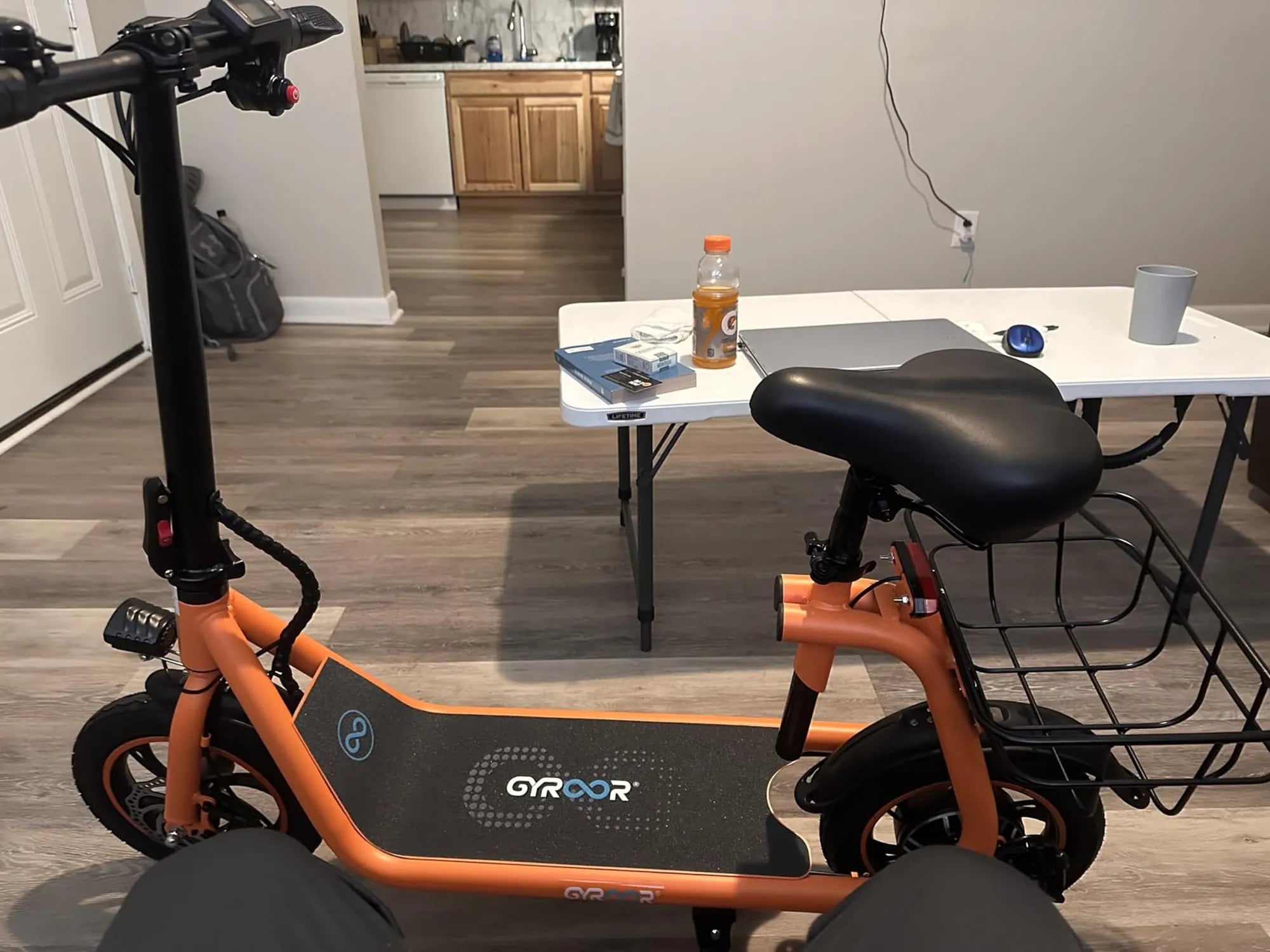
The self-balancing scooter market is booming, capturing the attention of urban commuters, tech enthusiasts, and investors alike. With sleek designs, eco-friendly features, and cutting-edge technology, these personal mobility devices are transforming how people navigate cities. But what’s driving this rapid growth, and what does the future hold? Dive into our comprehensive analysis to uncover the trends, challenges, and opportunities defining the self-balancing scooter market.
Market Overview
The self-balancing scooter market has witnessed exponential growth over the past decade, fueled by increasing urbanization, rising environmental concerns, and advancements in battery technology. These compact, electric-powered devices offer a convenient and sustainable alternative to traditional transportation methods, making them a popular choice for short-distance commutes.
Key Trends Shaping the Industry
Several trends are driving the evolution of the self-balancing scooter market:
- Urbanization and Traffic Congestion: As cities become more crowded, consumers are seeking efficient and portable mobility solutions.
- Eco-Friendly Transportation: Growing awareness of carbon emissions has increased demand for electric personal transport devices.
- Technological Advancements: Improved battery life, enhanced stability systems, and smart connectivity features are elevating user experience.
- Rising Popularity Among Younger Demographics: Millennials and Gen Z consumers are embracing these devices for their convenience and futuristic appeal.
Growth Drivers
The self-balancing scooter market is propelled by several key factors:
- Government Initiatives: Many cities are promoting eco-friendly transport through subsidies and dedicated lanes.
- Declining Battery Costs: Lower production costs for lithium-ion batteries have made these devices more affordable.
- Last-Mile Connectivity: Self-balancing scooters are ideal for bridging the gap between public transport and final destinations.
- Innovative Designs: Lightweight, foldable models are attracting a broader consumer base.
Challenges and Barriers
Despite its growth, the market faces several challenges:
- Safety Concerns: Accidents and injuries have led to stricter regulations in some regions.
- Limited Range: Battery life and charging infrastructure remain constraints for long-distance use.
- High Competition: The market is saturated with numerous players, leading to price wars.
- Regulatory Hurdles: Varying laws across regions complicate market expansion.
Future Outlook
The self-balancing scooter market is poised for continued expansion, with innovations like AI-powered navigation, longer battery life, and integration with smart city infrastructure on the horizon. As sustainability becomes a global priority, these devices will play a pivotal role in the future of urban mobility.
Ready to ride the wave of the self-balancing scooter revolution? Stay ahead of the curve with the latest market insights and discover how this dynamic industry is reshaping transportation for generations to come.
What Does S Mean on Electric Scooter: Decoding the Mystery
What Does S Mean on Electric Scooter: Decoding the Mystery