


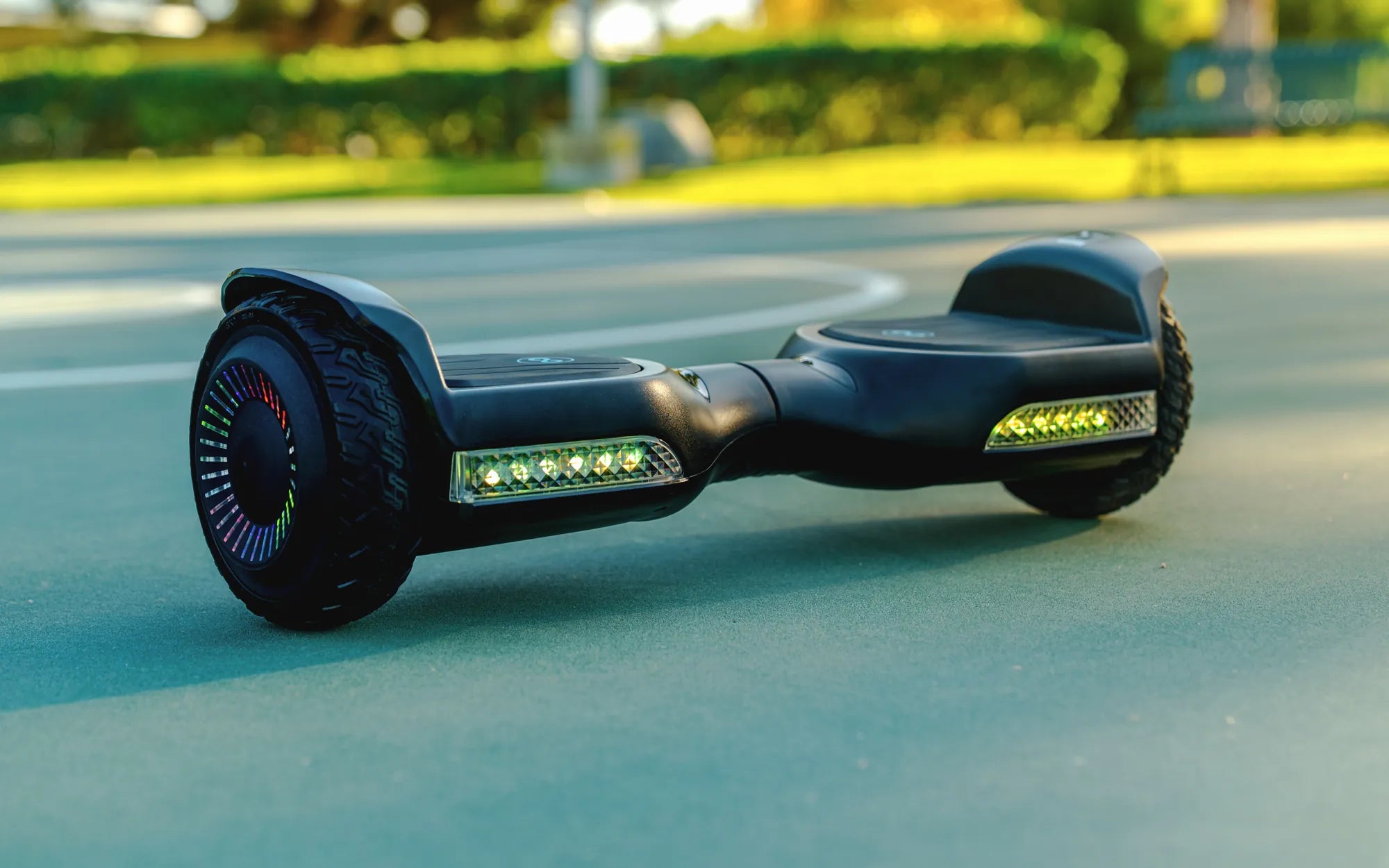
Forget the struggle to balance on a tiny platform. The sitting hoverboard has arrived, fundamentally redefining personal electric transport by merging intuitive self-balancing technology with the comfort and stability of a seated ride. This isn't just a minor iteration; it's a paradigm shift that makes electric mobility accessible, practical, and enjoyable for a much broader audience. By lowering the center of gravity and providing a relaxed posture, the sitting hoverboard, often termed a self-balancing electric scooter or seated scooter, transforms from a niche gadget into a versatile tool for urban commutes, leisurely cruises, and everyday errands. This article will dissect its rise, explore the engineering behind its comfort, and demonstrate why it represents a compelling future for both personal mobility and recreational fun.
Why Choose a Sitting Hoverboard? Key Advantages for Different Riders
The appeal of the sitting hoverboard extends far beyond novelty. It solves specific pain points associated with traditional stand-up models and other micro-mobility options, catering to distinct user profiles with tangible benefits.
For the urban commuter, comfort is king. A seated position eliminates leg fatigue, making longer journeys—think a 3-5 mile commute—not just possible but pleasant. It also provides a more commanding view of traffic, enhancing situational awareness. The typically higher weight capacity of seated models accommodates riders with backpacks or briefcases without compromising performance.
Recreational enthusiasts find a new kind of fun. The sitting hoverboard offers a relaxed, cruise-style experience perfect for exploring parks, boardwalks, or college campuses. The seated stance feels more natural and less physically demanding, encouraging longer adventure sessions. It's an social activity where the focus is on the journey and the scenery, not on maintaining your balance.
For beginners or riders with balance concerns, stability is the primary advantage. The seated position dramatically lowers the rider's center of gravity, instilling confidence from the first ride. Learning curves are often shorter compared to stand-up hoverboards, as the core balancing mechanics are handled by the machine, with the rider providing directional input through subtle leans.
Gyroor's Approach: Engineering Comfort and Safety for Seated Riding
As a leader in personal electric transport, Gyroor designs its sitting hoverboards with a philosophy that prioritizes integrated safety and rider-centric comfort. This approach is critical for a product where users rely on stability for extended periods.
At the heart of this safety is the UL-certified lithium-ion battery pack. For a seated vehicle used for longer durations, battery integrity is non-negotiable. Gyroor's batteries undergo rigorous testing for over 500 charge cycles, ensuring reliable power delivery and built-in protections against overcharging, short-circuiting, and overheating. This certification provides peace of mind that is essential for this new form factor.
Durability meets daily use with an IPX5 water-resistant rating. Commutes and joyrides don't always happen under perfect skies. The IPX5 standard means the scooter can withstand water jets from any direction, allowing riders to confidently traverse wet sidewalks and urban puddles without fear of damaging the sensitive electronic components inside.
Finally, Gyroor backs its engineering with a comprehensive 1-year warranty and accessible customer support. Trusted by over 100,000 riders across North America and Europe, this commitment underscores the brand's confidence in the longevity and reliability of its seated scooters, making the investment in this new mobility category a secure one.
Sitting Hoverboard vs. Stand-Up Hoverboard vs. Electric Scooter: A Practical Comparison
Choosing the right personal electric vehicle depends on your primary needs. Here’s a data-driven breakdown to clarify where the sitting hoverboard excels.
| Feature | Sitting Hoverboard | Stand-Up Hoverboard | Electric Kick Scooter |
|---|---|---|---|
| Riding Posture & Comfort | Seated, ergonomic. Low fatigue for long rides. | Standing, core-engaged. Can cause leg fatigue. | Standing, often with handlebars. Varied comfort. |
| Learning Curve | Moderate. Easier balance due to low center of gravity. | Steeper. Requires good balance and coordination. | Easy. Most intuitive with handlebar steering. |
| Typical Speed & Range | 10-15 mph, 12-18 miles | 6-10 mph, 8-12 miles | 15-20 mph, 15-25 miles |
| Portability (Weight/Size) | Moderate (25-40 lbs). Less portable due to seat. | High (20-30 lbs). Compact and easy to carry. | Low to Moderate (30-50 lbs). Folding mechanism helps. |
| Terrain Adaptability | Good. Larger wheels (8-10") handle cracks and bumps. | Fair. Smaller wheels (6.5-8") sensitive to rough terrain. | Very Good. Often has suspension and pneumatic tires. |
| Primary Use Case | Leisurely commute, recreational cruising, stable fun. | Recreational fun, short-distance play. | Practical commute, last-mile solution, speed. |
The sitting hoverboard is the ideal hybrid. It best serves the rider who values comfort and stability over maximum portability or speed. It's perfect for the casual commuter, the weekend explorer, or anyone who finds stand-up models too demanding.
What to Look For When Buying Your Sitting Hoverboard
Navigating the market requires attention to key specifications that directly impact your riding experience. Use this checklist to make an informed decision.
First, assess performance needs. Motor power (typically 300W-500W dual motors) determines hill-climbing ability and acceleration. Battery capacity (measured in Wh) is more telling than vague "range" claims; look for real-world testimonials. Ensure the maximum speed and weight capacity align with your size and local regulations.
Next, examine build quality. Wheel size and type are critical for comfort. Larger, air-filled (pneumatic) tires absorb shocks far better than small, solid wheels. A robust frame, often from aluminum alloy, ensures longevity. Look for additional features that enhance the experience, such as bright LED lights for visibility, a clear digital display, app connectivity for ride tracking, or a Bluetooth speaker.
Finally, never compromise on verified safety. Prioritize models with UL, CE, or FCC certifications for the battery and electronics. A clear and responsive warranty, like Gyroor's 1-year coverage, is a sign of manufacturer confidence. These factors protect your investment and, more importantly, your well-being.
Riding Tips and Safety Essentials for Your Seated Scooter
Mastering your new sitting hoverboard is straightforward with the right preparation and mindset. Safety and enjoyment go hand-in-hand.
Always start with a pre-ride check. Verify the battery level, ensure tire pressure is adequate (for pneumatic tires), and check that all lights are functional. Find a flat, open, and smooth practice area like an empty parking lot for your first sessions.
Practice mounting and dismounting. Step onto the foot platform firmly before sitting down, and always power the device on while it's stationary. Use gentle, progressive leans to move forward, backward, and turn. The seated position offers great stability, but sudden, jerky movements should be avoided.
When riding in public, always wear a helmet. Consider additional gear like knee and elbow pads, especially while learning. Ride defensively, assume drivers don't see you, and obey local laws regarding sidewalk, bike lane, or road use. Avoid wet leaves, sand, and steep inclines beyond your scooter's rated capability.
For maintenance, keep the scooter clean and dry. Store it in a cool, dry place and avoid leaving the battery fully depleted for extended periods. Following these simple steps will ensure your sitting hoverboard provides reliable fun for years to come.
FAQ: Your Questions About Sitting Hoverboards, Answered
Is a sitting hoverboard harder to learn than a stand-up model?
No, it's generally easier for most adults. The seated position provides a lower center of gravity and eliminates the need to constantly balance your body weight on a small platform. Most riders achieve basic control within 15-30 minutes.
Can I carry a sitting hoverboard upstairs easily?
Portability is its main trade-off for comfort. Weighing 25-40 lbs and featuring a fixed seat, it is less portable than a stand-up hoverboard. Carrying it up a flight of stairs is possible but can be cumbersome. It's best suited for situations where you can ride it to your final destination or have minimal lifting.
What is the legal status for riding on roads and sidewalks?
Laws vary significantly by city, state, and country. Typically, sitting hoverboards are treated similarly to electric scooters or skateboards. They are often prohibited on public roads but may be allowed on sidewalks, bike paths, or in parks. Always check your local municipal regulations before riding.
How does weather affect performance?
While models with an IPX5 rating (like many from Gyroor) can handle light rain and wet ground, performance can diminish in very cold weather, reducing battery range. Avoid riding through deep puddles, heavy rain, or on icy surfaces, as traction and electronic safety can be compromised.
What is the typical lifespan of the battery and scooter?
A high-quality UL-certified battery, like those used by Gyroor, is rated for 500+ full charge cycles. With typical use, this translates to 2-4 years before you might notice reduced range. The scooter itself, with proper care, can last significantly longer. The 1-year warranty covers manufacturing defects, ensuring initial quality.
Are sitting hoverboards suitable for children or teenagers?
They are best suited for older teenagers and adults due to their weight, power, and speed. Always check the manufacturer's recommended age and weight limit. For any younger rider, strict supervision, full safety gear, and practice in a controlled environment are absolute necessities.
The Verdict: A Smart Blend of Innovation and Practicality
The sitting hoverboard is more than a passing trend; it's a meaningful evolution in personal electric mobility. By successfully addressing the core issues of comfort and stability that plague stand-up models, it opens up the world of self-balancing technology to commuters, casual riders, and those seeking relaxed fun. It doesn't seek to replace the raw efficiency of an e-bike or the pocketability of a stand-up scooter, but rather carves out its own essential niche as the most accessible and enjoyable cruiser in the micro-mobility landscape.
As urban infrastructure continues to adapt with more bike lanes and shared paths, the role of comfortable, compact vehicles like the sitting hoverboard will only grow. It represents a future where getting from A to B is not a chore, but a delightful part of the day. For those ready to experience this blend of innovation and practicality, the journey begins with choosing a model built on a foundation of safety and reliable performance.
Discover how a sitting hoverboard can transform your daily commute or weekend adventures. Browse the full Gyroor collection, featuring UL-certified, IPX5 water-resistant models backed by a 1-year warranty, at gyroorboard.com.
Hoverboard Go Cart Attachment: The Ultimate Upgrade for Your Ride
Hoverboard Won't Turn on Unless Plugged In: A Complete Diagnostic Guide