


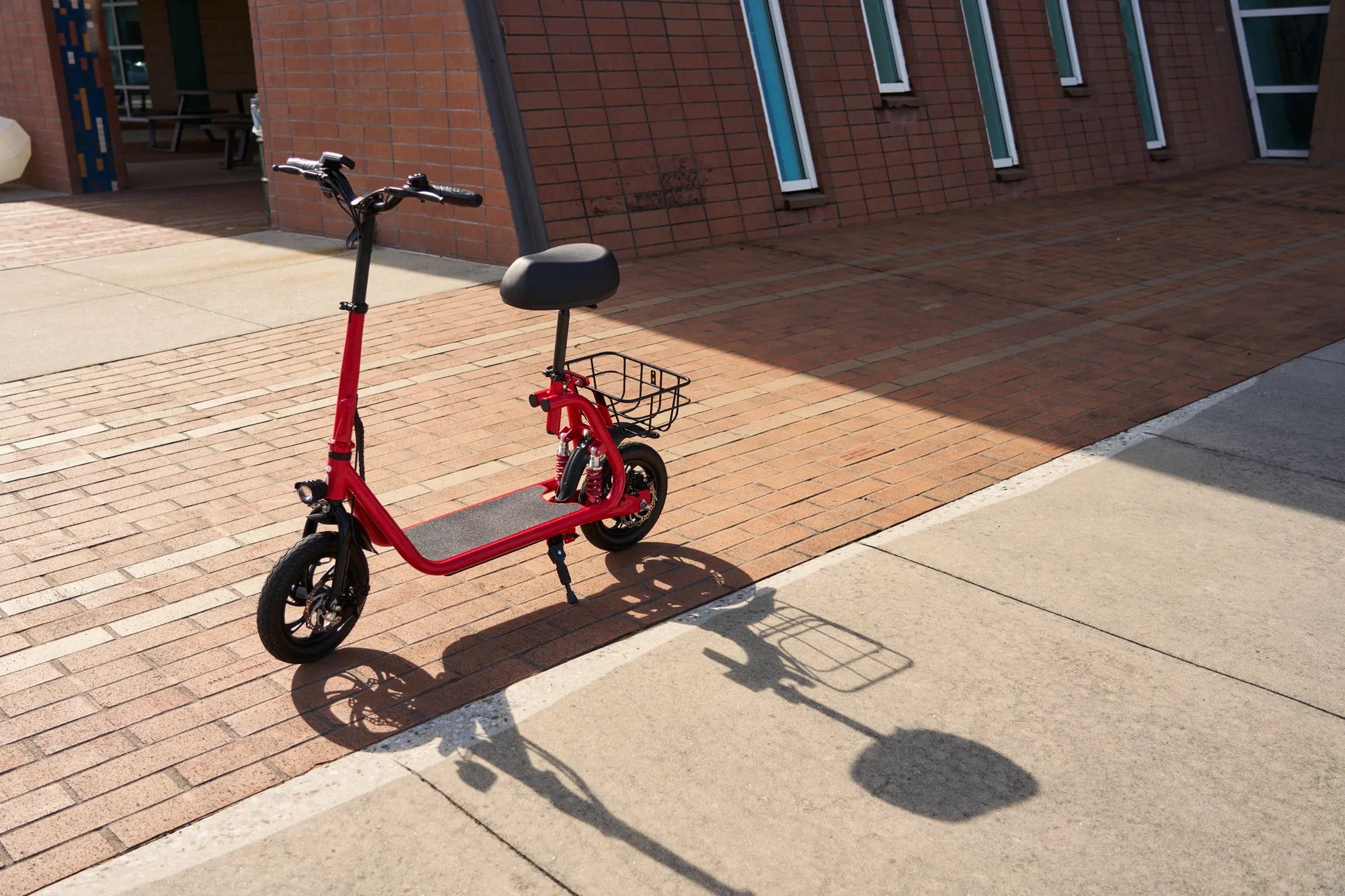
Introduction: Understanding the E-Bike Evolution
Choosing between a standard vs adaptive e bike represents one of the most significant decisions in modern personal transportation. This choice fundamentally shapes your riding experience, efficiency, and long-term satisfaction. The standard e-bike operates with predictable, fixed assistance levels, while the adaptive e-bike intelligently modulates power based on real-time conditions like terrain and pedaling force.
This comprehensive guide will dissect both technologies for urban commuters, recreational riders, and eco-conscious travelers. We'll explore how each system functions, performs in real-world scenarios, and aligns with different lifestyles and budgets. Understanding these core technologies ensures you invest in an e-bike that truly matches your riding ambitions and daily requirements.
The evolution from basic electric assistance to intelligent adaptive systems marks a pivotal moment in cycling technology. Riders now face a choice between straightforward accessibility and sophisticated, bike-like responsiveness. This decision impacts everything from your daily commute comfort to your weekend adventure capabilities.
We'll provide clear, data-driven analysis to guide your selection process. Whether you're navigating city streets, tackling hilly terrain, or seeking maximum range from each charge, the right e-bike technology makes all the difference. Let's begin by examining how these two systems fundamentally operate.
Defining the Contenders: Core Technology Explained
Standard e-bikes utilize cadence sensor technology that functions like an on/off switch for electric assistance. When you pedal, the sensor detects rotation and delivers a predetermined amount of power based on your selected assist level. This creates a consistent, predictable boost that operates independently of how hard you're actually pedaling.
The system typically offers 3-5 preset assistance levels that riders manually select. At level 1, you might receive 50 watts of assistance; at level 5, you could get the motor's full 250-750 watt output. This straightforward approach makes standard e-bikes easy to understand and operate, particularly for beginners transitioning from traditional bicycles.
Adaptive e-bikes employ torque sensor technology that acts as an intelligent riding assistant. These sophisticated sensors measure the actual force you apply to the pedals, then multiply that effort with electric assistance. The harder you pedal, the more power the motor delivers in a proportional, responsive manner.
This creates a riding experience that feels remarkably natural and intuitive. The adaptive system continuously adjusts assistance based on multiple factors including pedal pressure, speed, and sometimes even gradient changes. It's this dynamic responsiveness that distinguishes adaptive technology from its standard counterpart.
The fundamental difference lies in the relationship between rider input and motor output. Standard systems provide assistance based on pedal movement alone, while adaptive systems respond to both movement and effort. This distinction creates dramatically different riding sensations and practical implications that we'll explore throughout this comparison.
Head-to-Head Comparison: Performance, Feel, and Practicality
Power Delivery and Riding Sensation
Standard e-bikes deliver what many describe as a "surge and cruise" riding experience. When you begin pedaling, the motor engages with its preset power level, providing immediate acceleration that can feel somewhat abrupt, especially at higher assistance settings. Once engaged, the assistance remains constant until you stop pedaling or change levels.
This predictable power delivery works well for consistent, flat terrain where maintaining steady speed is the primary goal. However, in situations requiring precise control—such as tight traffic maneuvers, crowded bike paths, or technical trail sections—the binary nature of standard assistance can feel less refined. The disconnect between pedaling effort and motor response creates an experience some riders describe as "artificial" or "detached."
Adaptive e-bikes offer a "smooth and intuitive" power delivery that mimics the natural feel of traditional cycling. The motor amplifies your own pedaling effort proportionally, creating seamless acceleration that responds immediately to changes in your input. This creates a riding experience that feels more like having superhuman legs rather than an external motor doing the work.
The continuous modulation of adaptive systems provides exceptional control in variable conditions. When climbing hills, the system automatically increases assistance as your pedaling effort increases. When descending or coasting, it reduces or eliminates assistance, conserving battery while maintaining natural momentum. This responsive behavior makes adaptive e-bikes particularly well-suited to mixed-terrain riding and situations requiring precise speed management.
Riders transitioning from traditional bicycles often find adaptive systems more intuitive because the relationship between effort and reward remains consistent. The learning curve is minimal, and the experience feels immediately familiar yet enhanced. This natural integration of human and electric power represents the most significant advancement in e-bike technology over the past decade.
Battery Efficiency and Range
Standard e-bike systems typically consume battery power in a linear, predictable manner based on selected assistance level and riding time. Higher assistance levels draw more power consistently, regardless of actual need. This can lead to inefficient energy use, particularly when maintaining high assistance on flat terrain where less power would suffice.
Real-world range for standard e-bikes varies significantly based on usage patterns. A 500Wh battery might provide 20-40 miles at maximum assistance on hilly terrain, or 40-60 miles at moderate assistance on flat ground. The fixed nature of power delivery means riders must consciously manage assistance levels to maximize range, often switching between settings as conditions change.
Adaptive e-bikes demonstrate superior battery efficiency through intelligent, demand-based power management. By delivering assistance proportional to actual need, these systems avoid wasting energy on unnecessary power output. The motor provides exactly what's required for the current conditions, then reduces output when demand decreases.
This efficiency translates to significantly greater range per charge under comparable conditions. An adaptive e-bike with the same 500Wh battery might achieve 30-50 miles on challenging terrain and 50-80 miles on flat routes. The system's ability to modulate assistance automatically means riders can often use higher effective assistance while consuming less total energy than standard systems at equivalent settings.
The battery longevity benefits are equally important. Adaptive systems' efficient power management reduces stress on battery cells during normal operation. When combined with high-quality UL-certified batteries like those used in Gyroor e-bikes—tested for 500+ charge cycles—this efficient operation can extend overall battery lifespan, protecting your investment over years of regular use.
Terrain and Use Case Adaptability
Standard e-bikes excel in consistent, predictable environments where terrain and riding conditions remain relatively stable. For daily commuting on flat urban routes, grocery runs on paved pathways, or leisurely rides on bike trails with minimal elevation changes, standard systems provide reliable, straightforward assistance that meets most riders' needs.
These e-bikes perform adequately on moderate hills when riders manually select appropriate assistance levels. However, the fixed power output means you might experience either insufficient assistance on steep sections or excessive, wasteful assistance on gentle inclines. This limitation becomes more apparent in areas with variable topography or when carrying cargo that changes weight distribution.
Adaptive e-bikes demonstrate remarkable versatility across diverse riding conditions. Their real-time adjustment capability makes them ideal for hilly cities, mixed-terrain adventures, and situations with constantly changing demands. The system automatically provides more assistance when climbing and less when descending, maintaining optimal efficiency and control throughout.
This adaptability proves particularly valuable for cargo hauling, touring, and recreational riding where loads and terrain vary unpredictably. The proportional assistance ensures stable, manageable power delivery regardless of weight distribution changes. For off-road or trail riding, adaptive systems provide the precise control needed for technical sections while still offering substantial assistance for climbs.
The intelligent response to changing conditions makes adaptive e-bikes suitable for a wider range of riders and applications. From urban commuters navigating variable city topography to adventure seekers exploring mixed-surface routes, adaptive technology delivers appropriate assistance exactly when and where it's needed most.
Cost and Value Proposition
Standard e-bikes typically offer lower initial purchase prices, making electric cycling accessible to broader audiences. The simpler sensor technology, combined with often more basic overall components, reduces manufacturing costs. This price advantage makes standard systems attractive for budget-conscious buyers or those uncertain about long-term e-bike usage.
However, the total cost of ownership considerations extend beyond initial purchase price. Standard systems' less efficient power management may lead to higher long-term electricity costs for charging, though these differences are relatively modest. More significantly, the riding experience limitations might reduce overall usage, diminishing the value-per-dollar calculation for riders who eventually desire more sophisticated performance.
Adaptive e-bikes command premium pricing reflecting their advanced sensor technology, sophisticated control systems, and typically higher-quality overall components. This initial investment can be 20-50% higher than comparable standard e-bikes. For many riders, this premium purchases not just different technology, but a fundamentally better riding experience.
The long-term value proposition of adaptive systems includes multiple dimensions beyond initial cost. Superior battery efficiency extends range and potentially battery lifespan. The more natural, engaging riding experience often leads to increased usage frequency, delivering greater transportation value and health benefits. Higher-quality components typically associated with adaptive systems may also reduce maintenance costs and increase resale value.
For riders viewing e-bikes as long-term transportation solutions rather than occasional recreational tools, adaptive technology often represents better overall value despite higher initial cost. The combination of enhanced performance, greater efficiency, and more satisfying riding experience justifies the premium for serious commuters, enthusiasts, and those seeking maximum utility from their investment.
Technical Comparison Table: Standard vs Adaptive E-Bike Systems
| Feature | Standard E-Bike (Cadence Sensor) | Adaptive E-Bike (Torque Sensor) |
|---|---|---|
| Sensor Type | Cadence sensor detects pedal rotation only | Torque sensor measures actual pedaling force |
| Power Delivery | Fixed power based on preset level | Proportional power based on rider input |
| Riding Feel | Surge and cruise; somewhat artificial | Smooth and intuitive; natural extension |
| Battery Efficiency | Moderate; power output fixed per level | High; power modulated to actual need |
| Typical Range | 20-60 miles (varies greatly with use) | 30-80 miles (more consistent efficiency) |
| Hill Performance | Adequate with manual level adjustment | Excellent with automatic power adjustment |
| Learning Curve | Low; simple level selection | Very low; feels immediately natural |
| Initial Cost | Lower entry price point | Premium pricing for advanced technology |
| Best For | Flat commutes, budget buyers, simple operation | Variable terrain, enthusiasts, natural feel seekers |
Why Gyroor Prioritizes Intelligent Power for the Modern Rider
Gyroor's engineering philosophy centers on creating e-bikes that offer not just transportation, but transformative riding experiences. This commitment to premium performance naturally aligns with adaptive torque-sensor technology, which provides the intuitive, efficient assistance modern riders deserve. As a brand trusted by over 100,000 riders across North America and Europe, Gyroor understands that today's cyclists seek both practicality and pleasure in their electric bikes.
The company's focus on adaptive systems stems from core beliefs about safety, efficiency, and rider satisfaction. Adaptive technology's smooth power delivery enhances control in all conditions, complementing Gyroor's IPX5 water-resistant designs that maintain reliability in diverse weather. This intelligent power management also protects the UL-certified battery packs, extending their tested 500+ charge cycle lifespan through efficient operation.
Gyroor's adaptive e-bikes deliver what riders consistently report as the most natural, engaging electric cycling experience available. By multiplying human effort rather than replacing it, these systems maintain the essential joy of cycling while removing its most challenging barriers. This approach encourages more frequent riding, supporting both transportation efficiency and personal wellness goals.
The brand's comprehensive 1-year warranty reflects confidence in the durability and reliability of its adaptive systems. Unlike simpler standard setups that might prioritize cost reduction, Gyroor's torque-sensor integration represents careful engineering designed for long-term satisfaction. This commitment to quality has earned the brand its 4.5/5 average customer rating across numerous models and markets.
For urban commuters facing variable city topography, recreational riders exploring mixed terrain, and anyone seeking maximum utility from their e-bike investment, Gyroor's adaptive technology delivers intelligent assistance that genuinely adapts to riding conditions. This represents the smart path forward in personal mobility—technology that enhances rather than interrupts the cycling experience.
Making Your Choice: Which E-Bike System Is Right For You?
Choose a standard e-bike if your primary considerations include budget constraints, straightforward operation, and consistent riding on predominantly flat terrain. These systems offer accessible entry into electric cycling with minimal complexity. If your routes involve minimal elevation changes, your riding style prioritizes simple assistance over nuanced control, and initial cost represents a significant factor, standard technology likely meets your needs adequately.
Standard systems also suit occasional riders who won't accumulate sufficient mileage to justify premium technology investments. For seasonal recreational use, short-distance errands, or as a first e-bike while determining your long-term interest in electric cycling, the lower entry cost of standard e-bikes makes practical sense. Their simple operation has minimal learning curve, appealing to those uncomfortable with more sophisticated technology interfaces.
Select an adaptive e-bike if you value riding experience quality, face variable terrain, seek maximum efficiency, or view your e-bike as a long-term transportation solution. Riders who appreciate the natural feel of traditional cycling will immediately recognize the superiority of adaptive systems. If your daily commute includes hills, your recreational riding involves mixed surfaces, or you frequently carry varying loads, adaptive technology's responsiveness proves invaluable.
The adaptive e-bike's efficiency advantages become increasingly significant with higher mileage. Commuters riding daily, enthusiasts covering substantial distances, and anyone seeking to maximize range from each charge will appreciate the intelligent power management. While requiring greater initial investment, adaptive systems typically deliver superior long-term value through enhanced satisfaction, increased usage, and potentially extended component lifespan.
Consider your specific riding patterns, terrain challenges, and performance expectations when deciding between these technologies. Test riding both system types provides the clearest understanding of their differences. Many riders discover that adaptive technology's benefits justify its premium once they experience its natural, responsive assistance firsthand.
FAQ: Your E-Bike Technology Questions Answered
Q: Can I convert my standard e-bike to an adaptive system?
A: Converting from standard cadence-sensor to adaptive torque-sensor technology is generally impractical and cost-prohibitive. The torque sensor requires specific frame integration, compatible motor systems, and sophisticated controller integration. The conversion cost typically approaches or exceeds purchasing a new adaptive e-bike, making replacement rather than modification the sensible choice for riders seeking this technology upgrade.
Q: Are adaptive e-bikes more difficult to maintain or repair?
A: Modern adaptive systems require similar maintenance to standard e-bikes. The torque sensor itself is a sealed, durable component with no user-serviceable parts. Repairs involving the sensor or its integration typically require professional service, but failure rates are low with quality components. Overall maintenance focuses on the same areas: battery care, drivetrain cleaning, brake adjustment, and tire maintenance regardless of sensor type.
Q: Is adaptive technology overkill for a first-time e-bike buyer?
A: While adaptive systems represent premium technology, they often provide a more intuitive introduction to electric cycling for riders familiar with traditional bicycles. The natural feel reduces the adjustment period compared to standard systems' more artificial assistance. First-time buyers who test ride both technologies frequently prefer adaptive systems despite their higher cost, particularly if they plan substantial usage or face challenging terrain.
Q: Which system offers better exercise benefits?
A: Both systems provide adjustable exercise levels, but adaptive technology typically encourages more consistent pedaling effort. Standard systems allow "ghost pedaling" with minimal effort while receiving maximum assistance, potentially reducing exercise benefits. Adaptive systems require meaningful pedaling input to receive substantial assistance, maintaining better cardiovascular engagement. Riders seeking exercise can use lower assistance levels on either system, but adaptive technology better maintains the natural cycling motion.
Q: How do weather conditions affect these different systems?
A: Both standard and adaptive systems function reliably in various weather conditions when properly designed. Quality e-bikes like Gyroor's models feature IPX5 water-resistant construction that protects electrical components. The sealed nature of modern sensors means neither system has particular weather vulnerability. Adaptive systems' proportional power delivery can provide advantages in wet or slippery conditions where smooth, controlled acceleration enhances safety.
Q: Do adaptive e-bikes require special charging equipment?
A> No, adaptive e-bikes use standard charging equipment identical to that used by standard e-bikes. Charging requirements depend on battery specifications (voltage, capacity) rather than sensor technology. Both system types benefit from proper charging practices: using the manufacturer-provided charger, avoiding extreme temperatures during charging, and maintaining appropriate charge levels during storage.
The Smart Path Forward in Personal Mobility
The choice between standard and adaptive e-bike technology fundamentally shapes your electric cycling experience. While standard systems democratize access with straightforward operation and lower costs, adaptive technology represents the intelligent evolution of pedal-assisted transportation. Its natural feel, efficient operation, and responsive performance deliver satisfaction that transcends mere functionality.
For riders facing variable terrain, prioritizing riding enjoyment, or seeking maximum utility from their investment, adaptive systems justify their premium through enhanced daily performance. The technology's ability to intuitively match assistance to actual need creates a seamless integration of human and electric power that standard systems cannot replicate. This represents not just incremental improvement, but a qualitative leap in electric cycling.
As urban transportation evolves toward sustainable, efficient personal mobility, adaptive e-bike technology offers the sophisticated solution modern riders deserve. Its intelligent assistance removes barriers without diminishing cycling's essential pleasures. The result is transportation that genuinely adapts to your life—expanding your range, easing your commute, and increasing your riding frequency through pure enjoyment.
Experience the difference that intelligent adaptive technology makes in your daily riding. Explore Gyroor's collection of premium adaptive e-bikes designed for riders who value performance, reliability, and natural cycling feel. Browse the full Gyroor collection at gyroorboard.com to discover e-bikes that don't just transport you, but transform how you move through your world.
What is the Fastest Ebike on the Market? A Data-Driven Guide
Can You Take an Ebike on a Plane? The Definitive Guide to Air Travel with E-Bikes