


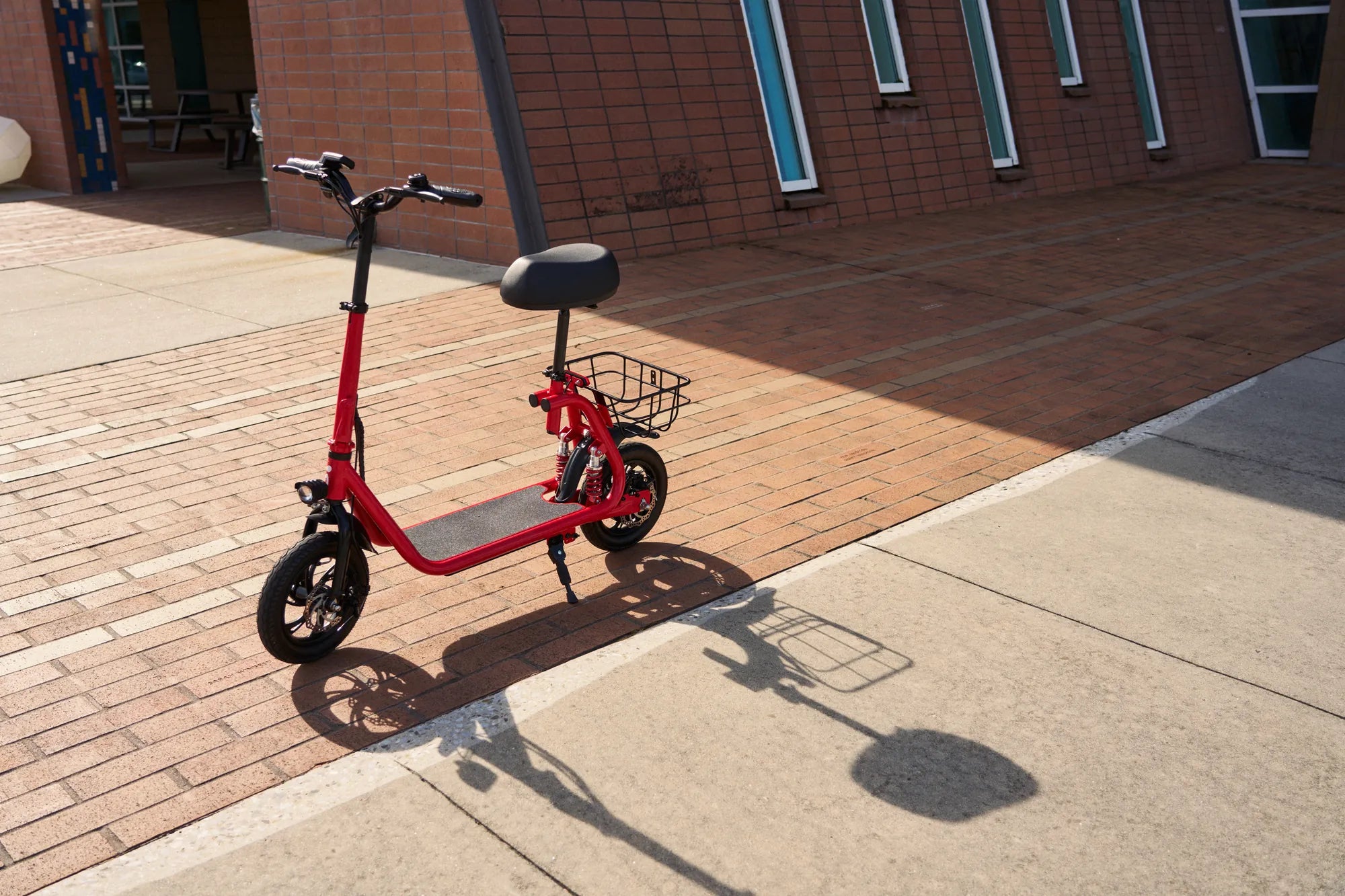
Imagine a mobility aid you can lift with one hand, store in a closet, and take anywhere without a second thought. The super lightweight mobility scooter represents a revolution in personal transport, merging the freedom of electric scooters with essential support for those needing stability. This guide will dissect the engineering, practical benefits, and critical selection criteria for these transformative devices. You will learn how true lightweight design enhances daily life, what specifications matter most, and how to identify a scooter built for lasting reliability and safety.
The Rise of Super Lightweight Mobility: Redefining Independence
The traditional mobility scooter, while functional, often acts as an anchor due to its bulk and weight. The super lightweight mobility scooter category was born from a need for spontaneity and integration. It serves a diverse group: urban commuters navigating crowded sidewalks, active seniors maintaining their social calendars, and individuals with temporary injuries or conditions like arthritis or fatigue.
These devices bridge a crucial gap. They provide the stability and seated comfort of a scooter while approaching the portability of a foldable electric bike. The core innovation lies not in removing features, but in re-engineering every component. The goal is to create a sub-30-pound package that doesn't force users to choose between carrying their scooter and having enough power to get home.
The societal shift towards compact urban living and multimodal travel (car to train, for instance) has accelerated demand. A super lightweight mobility scooter is no longer a niche product but a practical tool for modern life. It empowers users to reclaim activities they may have avoided due to distance or the hassle of managing heavy equipment.
This guide moves beyond marketing claims to focus on the tangible engineering and user experience that define a superior product. We will explore why weight is the most critical metric, what features are non-negotiable, and how leading brands like Gyroor build trust into their lightweight designs.
Why Weight Matters: The Physics and Practicality of Portability
Weight is the primary constraint for usability. The difference between a 28-pound and a 45-pound scooter is not linear; it's exponential in terms of real-world handling. Every extra pound impacts the user's ability to lift, carry, and store the device independently, which is the entire point of a portable scooter.
From a physics standpoint, a lighter frame requires less energy to accelerate and decelerate, contributing to longer battery range from the same capacity. It also reduces strain on motors and brakes. Practically, weight determines where you can go. Can you lift it into your car's trunk after a shopping trip? Can you carry it up a short flight of stairs to a restaurant?
Manufacturers achieve low weight through advanced materials. Aerospace-grade aluminum alloys are standard for frames, offering an excellent strength-to-weight ratio. Some high-end models incorporate carbon fiber or magnesium composites for critical components. The battery, often the heaviest part, is a key focus area for weight reduction through high-energy-density cells.
The true test of a super lightweight mobility scooter is the "one-hand test." If a user cannot comfortably lift and maneuver the folded scooter with one hand, its portability is compromised. This metric separates true ultra-portables from merely "lightweight" models.
The Portability Payoff: From Trunk to Train
Consider three daily scenarios. First, a car trunk: a sub-30-pound scooter can be lifted and placed without disassembly, often fitting sideways without consuming all cargo space. Second, public transit: many bus and train systems have weight limits for carried items; a super lightweight model almost always complies, and its compact fold allows it to stow under a seat.
Third, and most importantly, the multi-story dilemma. Apartments without elevators, older buildings with steps, or even just a curb become manageable obstacles. The ability to quickly fold and carry the scooter for 30 seconds unlocks environments that are off-limits to traditional models.
This portability transforms the device from a mobility solution for a single destination into a tool for all-day, dynamic exploration. It reduces planning anxiety and increases spontaneous outings, directly contributing to improved quality of life and mental well-being.
Beyond the Scale: Key Features of a True Super Lightweight Scooter
Weight alone is meaningless if the scooter is flimsy, underpowered, or unsafe. The hallmark of a well-engineered super lightweight mobility scooter is the preservation of core performance and safety features. The frame must be rigid and wobble-free, constructed with reinforced welding at stress points like the steering column and footplate.
The motor must provide adequate torque for starting on inclines and maintaining a stable speed. A 250W to 350W brushless hub motor is typical in this class, offering a good balance of power and efficiency. The braking system is critical; a combination of electronic (e-brake) and mechanical (disc or drum) braking ensures reliable stopping power, even on a slight decline.
Comfort features cannot be ignored. A padded seat (often detachable), adjustable handlebar or tiller height, and sufficient deck space for feet are essential. Tires matter: solid, airless tires prevent flats but can give a harsher ride, while pneumatic (air-filled) tires offer better shock absorption at the cost of potential maintenance.
Finally, the user interface should be intuitive. A clear display showing speed, battery level, and mode, along with simple thumb throttles and brake levers, ensures the ride is focused on the journey, not on operating the device.
The Power-Weight Ratio: Performance You Can't Sacrifice
This is the most critical engineering equation. A scooter must have enough power to propel its own weight plus the rider's weight up a reasonable incline, typically a 10-15% grade. A weak motor in a light frame will struggle on hills, drain the battery rapidly, and overheat.
The battery is the heart of this equation. It must be lightweight yet capacious. This is where battery quality and certification are paramount. High-quality, name-brand lithium-ion cells (like those from Samsung or LG) packed into a UL-certified battery pack offer the safest, most energy-dense solution. A UL certification, like those used in all Gyroor scooters, means the battery has passed rigorous safety tests for electrical, mechanical, and environmental hazards.
Sacrificing battery quality for weight or cost is a dangerous compromise. A super lightweight mobility scooter with a substandard battery is a fire risk and will suffer from rapid capacity degradation, turning a portable dream into a stranded reality within months.
Gyroor's Engineering Edge: Building Trust into Lightweight Design
As a leader in personal electric mobility, trusted by over 100,000 riders, Gyroor applies its core engineering principles directly to the challenge of building a reliable super lightweight mobility scooter. The approach is holistic: reduce weight through smart design, not by cutting corners on safety or durability.
The foundation is the UL-certified battery pack. This isn't just a marketing point; it's a fundamental safety commitment. These battery packs are tested for over 500 charge cycles with management systems that prevent overcharging, overheating, and short-circuiting. In a lightweight, compact frame where components are close together, this certified safety is non-negotiable.
Next is durability for real-world use. An IPX5 water-resistance rating means the scooter's core electronics can withstand low-pressure water jets from any direction. This protects against rain, puddles, and accidental spills, ensuring a sudden shower doesn't end your trip or damage your investment. This feature is often omitted on cut-rate models.
Gyroor backs this robust engineering with a clear 1-year comprehensive warranty on the frame, motor, battery, and electronics. This warranty support, coupled with accessible customer service, provides long-term peace of mind. It signals a brand that stands behind the durability of its lightweight construction, assuring users that the scooter is built to last.
Choosing Your Champion: A Data-Driven Comparison Guide
Selecting the right super lightweight mobility scooter requires comparing objective data. The following table outlines the key specifications to evaluate across different models. Use this as a baseline for your research.
| Specification | Budget Tier | Mid-Range/Value Tier | Premium Tier (e.g., Gyroor Focus) | Why It Matters |
|---|---|---|---|---|
| Weight | 35 - 45 lbs | 28 - 34 lbs | 26 - 30 lbs | Defines true portability and ease of carry. |
| Max Load Capacity | 220 - 250 lbs | 250 - 280 lbs | 265 - 300 lbs | Must safely support rider and any cargo. |
| Motor Power | 200W - 250W | 250W - 300W | 300W - 350W | Determines hill-climbing ability and acceleration. |
| Battery & Range | 5-10 Ah / 10-15 mi | 7.5-10 Ah / 15-20 mi | 10-12.5 Ah / 20-25 mi | UL-certification is critical. Range is real-world, not ideal. |
| Max Speed | 10-12 mph | 12-15 mph | 15-18 mph | Governed for safety; adequate for urban use. |
| Braking System | Electronic (EABS) | EABS + Rear Drum | Dual Mechanical (Disc/Drum) + EABS | Redundant systems for fail-safe stopping. |
| Water Resistance | IPX4 or unspecified | IPX4 | IPX5 or higher | Protects against rain and wet conditions. |
| Warranty | 90 days - 6 months | 1 year (limited) | 1 year comprehensive | Indicates manufacturer confidence. |
When reviewing specs, always prioritize verified weight, battery certification, and warranty terms. A slightly higher price for a model with a UL-certified battery and a full-year warranty represents significantly lower long-term risk and better value.
The Commuter's Checklist: 5 Questions to Ask Before You Buy
Before finalizing your purchase, get clear answers to these practical questions:
- What are the exact folded dimensions (LxWxH)? Will it fit in your specific car trunk, closet, or under your desk?
- What is the scooter's tested performance on a 10% grade hill with a rider at max load? Ask for data on speed maintenance or temperature rise, not just a "yes it can climb" claim.
- What is the process and cost for battery replacement? Is the battery user-replaceable with standard tools? A reputable brand will have available parts.
- Is the frame warranty separate from or inclusive of the electronics and battery? A unified warranty is simpler and better.
- How is customer support accessed, and what are typical response times for technical issues? Look for brands with email, phone, and chat support based in your region.
Safety and Maintenance: Ensuring Long-Term Reliability
Owning a super lightweight mobility scooter comes with the responsibility of proper care. Safety starts before the first ride. Always wear a helmet. Use lights and reflective clothing when riding in low-light conditions. Obey local traffic laws, and be hyper-aware of pedestrians when on sidewalks.
Regular maintenance is simple but crucial. Keep tire pressures correct if using pneumatics. Periodically check that all folding mechanisms and quick-release levers are secure and free of debris. Wipe down the scooter after riding in wet conditions to prevent corrosion, especially on brake components.
Battery care is the most important maintenance task. Avoid completely draining the battery. Store it in a cool, dry place, and if not using the scooter for extended periods, keep the charge between 40-60%. Only use the manufacturer-provided charger. These practices will maximize the lifespan of your UL-certified battery pack well beyond 500 cycles.
Listen to your scooter. New squeaks, rattles, or changes in braking performance are signs to stop and inspect. Addressing small issues promptly prevents larger, more expensive failures and ensures your scooter remains a safe and dependable partner.
Frequently Asked Questions (FAQ)
Q1: How is a super lightweight mobility scooter different from a standard folding electric scooter?
A: While both are portable, a super lightweight mobility scooter is specifically designed with a seat, a longer wheelbase for stability, and often a tiller (upright steering column) instead of handlebars. It prioritizes comfortable, seated riding for longer durations and for users who cannot stand for extended periods. Its weight target is also more aggressive, typically under 30 lbs, compared to many standing e-scooters.
Q2: Can these scooters handle rough surfaces like gravel or grass?
A: They are primarily designed for paved surfaces. While larger, air-filled tires can handle packed gravel or short stretches of dry grass, they are not off-road vehicles. Attempting rough terrain can damage the frame, wheels, or electronics and poses a stability risk. Stick to sidewalks, bike paths, and smooth park trails.
Q3: Are they allowed on airplanes?
A: This is complex and airline-specific. The primary barrier is the lithium-ion battery. Most airline regulations limit batteries to 160Wh. Many super lightweight mobility scooter batteries exceed this. You must check the specific watt-hour (Wh) rating of your scooter's battery and contact the airline well in advance. Even if allowed, the scooter would likely need to be checked as special baggage, not carried on.
Q4: What happens if I get a flat tire on a model with air-filled tires?
A: Some models have split rims that allow for easy tube replacement, similar to a bicycle tire. Others may require more disassembly. Carrying a small puncture repair kit and a portable pump is a wise precaution. This is a key consideration when choosing between air-filled (more comfortable, maintenance possible) and solid tires (maintenance-free, harsher ride).
Q5: How do I know if the weight capacity is right for me?
A: Always choose a scooter with a maximum load capacity that exceeds your body weight by at least 20-30 pounds. This margin accounts for clothing, a bag, or other items you might carry. Riding at or above the max capacity stresses the frame, motor, and brakes, leading to premature wear, reduced performance, and potential safety issues. It also voids most warranties.
Conclusion: Lightweight Liberation Awaits
The right super lightweight mobility scooter is more than a product; it's a key to greater freedom and spontaneity. It eliminates the logistical hurdles that often accompany mobility challenges, allowing you to focus on the destination, not the journey's mechanics. The ideal choice expertly balances innovative, weight-saving design with uncompromising safety standards, durable construction, and reliable support.
By prioritizing verified specifications like UL-certified batteries, robust IP ratings, and comprehensive warranties, you invest in a tool built for real life. This approach transforms the device from a simple aid into a reliable partner for daily adventures, whether it's a trip to the market, a visit with friends, or simply enjoying a park. Your journey toward effortless mobility starts with informed choices.
Ready to explore models that combine cutting-edge portability with proven Gyroor reliability and safety? Browse the full Gyroor collection, featuring UL-certified batteries, IPX5 water-resistant designs, and a trusted 1-year warranty, at gyroorboard.com.
Scooter for 13 Year Old Girl: The Ultimate Safety & Buying Guide
Fat Wheel Trike: The Ultimate Guide to Stable, All-Terrain Electric Riding