



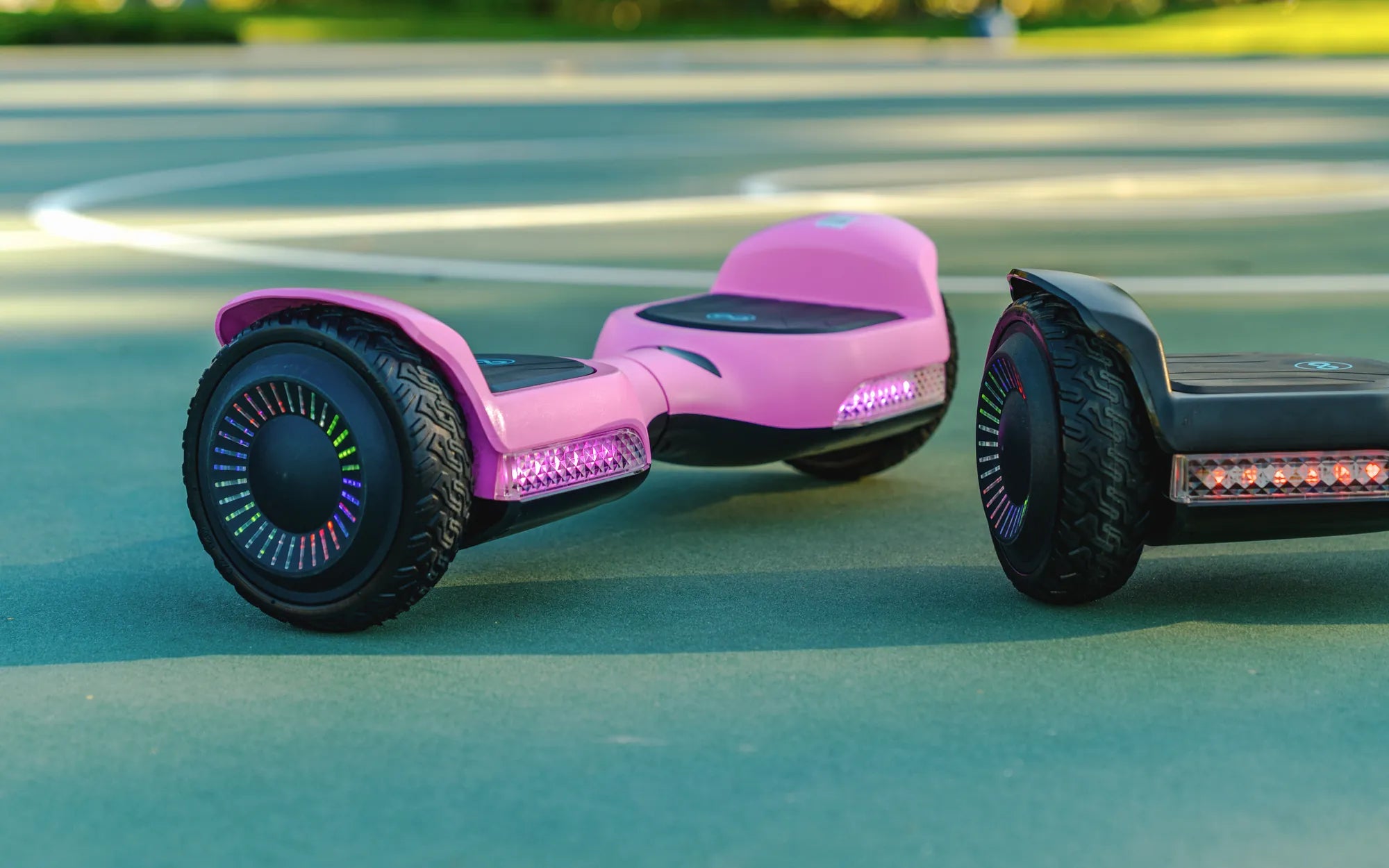
If you've ever seen someone gliding effortlessly down the sidewalk on what looks like a futuristic skateboard, you might have thought, "That's a hoverboard!" But here's the truth: this is not a hoverboard. Despite the common misconception, these devices are actually self-balancing scooters, and they're far more grounded in reality than their sci-fi-inspired nickname suggests.
The Origins of the Hoverboard Myth
The term "hoverboard" was popularized by movies and TV shows depicting levitating platforms that defied gravity. When self-balancing scooters hit the market, their sleek design and smooth movement led many to dub them hoverboards—even though they roll on wheels rather than float on air. The name stuck, but the technology behind them is entirely different.
How Self-Balancing Scooters Actually Work
Unlike fictional hoverboards, self-balancing scooters rely on gyroscopic sensors and electric motors to maintain balance. Here's how they function:
- Gyroscopic Sensors: Detect the rider's movements and adjust the scooter's balance accordingly.
- Electric Motors: Power the wheels to move forward, backward, or turn based on subtle shifts in weight.
- Battery-Powered: Most models run on rechargeable lithium-ion batteries, offering several miles of travel per charge.
Why the Confusion Persists
The hoverboard misnomer persists for a few key reasons:
- Pop Culture Influence: Movies and media have ingrained the idea of hoverboards in public consciousness.
- Marketing Hype: Early sellers capitalized on the futuristic appeal of the name to attract buyers.
- Visual Similarity: At a glance, a self-balancing scooter can resemble a floating board, especially when ridden skillfully.
Safety and Practicality
While they may not hover, self-balancing scooters are still a practical and fun way to get around. However, safety is a critical consideration:
- Learning Curve: New riders should practice in open spaces to avoid falls.
- Speed Limits: Most models cap at around 10-12 mph for safety.
- Terrain Matters: These scooters work best on smooth surfaces like pavement or indoor floors.
The Future of Personal Mobility
Self-balancing scooters are just one example of how personal transportation is evolving. As technology advances, we may one day see true hoverboards—but for now, these devices offer a glimpse into a more convenient and eco-friendly way to navigate cities.
So the next time you see someone riding what looks like a hoverboard, remember: this is not a hoverboard. It's a clever, high-tech scooter that brings us one step closer to the future—without defying gravity just yet.
How to Ride a Hoverboard: A Step-by-Step Guide for Beginners
How to Ride a Hoverboard: A Step-by-Step Guide for Beginners