



The Joy and Milestone of a Toddler's First Trike
Watching a toddler riding a tricycle is a quintessential childhood moment. It’s a powerful symbol of growing independence, physical mastery, and pure joy. This classic toy is far more than simple entertainment; it's a critical developmental tool that builds foundational motor skills, coordination, and self-esteem. The journey from wobbly first pushes to confident pedaling marks a significant leap in a child's capabilities. This guide will explore every facet of this important milestone, ensuring parents can support their child's journey safely and effectively.
The act of a toddler riding a tricycle integrates multiple complex skills. It requires leg strength for pedaling, core stability for balance, and cognitive processing for steering and navigation. Successfully mastering this task provides an immense boost to a young child's confidence and sense of autonomy. It’s a child's first real experience of self-powered locomotion, a precursor to bicycle riding and a lifetime of active mobility.
For parents, facilitating this experience requires informed choices about equipment, environment, and teaching methods. The goal is to create a positive, pressure-free learning atmosphere where the focus is on fun and exploration. By understanding the developmental benefits, safety imperatives, and practical steps involved, you can transform this milestone into a cherished memory of growth and achievement.
Key Developmental Benefits of Tricycle Riding
The developmental advantages of a toddler riding a tricycle are extensive and well-documented. This activity engages the whole child, promoting growth across physical, cognitive, and emotional domains. It’s a holistic exercise that turns play into purposeful development.
Physically, pedaling action is a superb workout. It strengthens major muscle groups in the legs, including quadriceps, hamstrings, and calves, while also engaging core muscles for stability. This repetitive motion enhances cardiovascular health and builds endurance. Steering the handlebars develops fine motor control in the hands and wrists, while the coordinated effort of looking ahead and maneuvering refines overall gross motor skills.
Cognitively, navigating on a tricycle is a lesson in spatial awareness and cause-and-effect. Toddlers learn to judge distances, understand steering consequences, and plan simple routes. This fosters problem-solving skills and enhances proprioception—their sense of body position in space. The need to simultaneously pedal, steer, and balance promotes bilateral coordination and brain development.
Emotionally and socially, the benefits are profound. Mastering a tricycle builds immense self-esteem and a sense of independence. It teaches perseverance as children overcome initial frustration. Riding with peers can encourage turn-taking and social interaction. This early success in physical mastery lays a positive foundation for tackling future challenges, both on and off wheels.
Choosing the Right Tricycle: A Safety and Fit Guide
Selecting the ideal tricycle is the first critical step. The right choice prioritizes safety above all, followed closely by ergonomic fit and features that support the learning process. A poorly sized or designed trike can lead to frustration, accidents, and a negative association with riding.
Prioritizing Safety Features
Safety must be the non-negotiable starting point. A stable, low-center-of-gravity design is paramount to prevent dangerous tip-overs. Look for wide-set rear wheels and a frame that keeps the seat low to the ground. Enclosed wheels are essential; they prevent little fingers from getting pinched in the spokes. A full rear axle cover is another key feature that eliminates a common pinch-point hazard.
All materials should be non-toxic and free of sharp edges or pinch points. Check that the steering mechanism has a limited turning radius to prevent extreme, unstable turns. While not all tricycles have brakes, models for older toddlers may include a simple rear friction brake, which is a valuable introduction to stopping control. Always verify that the product meets relevant national safety standards.
Ensuring the Perfect Fit
Proper fit is crucial for both safety and effective learning. A tricycle that is too large is unsafe and difficult to control; one that is too small will be outgrown quickly. The most important measurement is seat height. When seated, the child's feet should sit flat on the pedals with a slight bend in the knee (approximately a 15-25 degree angle).
They should be able to reach the handlebars comfortably without slouching or overreaching, which strains their back and reduces steering control. An adjustable seat is a highly recommended feature, as it allows the trike to grow with your child, extending its useful life by a year or more. Always follow the manufacturer's recommended age and height guidelines as a starting point.
From Push-Behind to Pedal Power: Model Types
Tricycles evolve with a child's ability. Understanding the types ensures you choose the right starting point.
- Push/Steer Trikes: Designed for the youngest riders (often 12-24 months). These feature a long parent push handle that controls both steering and braking. The child sits and enjoys the ride, getting accustomed to the seated position without managing pedals. It’s a safe introduction to wheeled movement.
- Convertible Trikes: These versatile models grow with your child. They start as a push-behind trike with a removable parent handle. Once the child is ready, the handle is detached, and the trike converts into a classic pedal model. This offers excellent value and a seamless transition.
- Classic Pedal Tricycles: The traditional three-wheeled bike for independent riding. Suitable for toddlers who have the coordination and leg strength to pedal, typically from around age 2.5 or 3. These focus on the child's own power and control.
Teaching Your Toddler to Ride: A Step-by-Step Guide
Patience and a playful approach are the cornerstones of teaching. Break the process into manageable phases, celebrating small victories and never forcing progress. The goal is positive association, not rapid mastery.
Phase 1: Introduction and Familiarization
Begin with the tricycle as a stationary object. Let your toddler explore it off the riding surface—sit on it, ring the bell, turn the handlebars. Once they are comfortable, place it on a soft, flat surface like grass or a carpeted area. Encourage them to sit and use their feet to scoot around. This "Fred Flintstone" method builds comfort with balance and steering without the complexity of pedals. If using a push-trike, take them for gentle walks, allowing them to feel the motion.
Phase 2: Mastering Pedaling Motion
Once scooting is confident, introduce the pedals. On a smooth, flat, hard surface (like a driveway or sidewalk), hold the trike steady. Place your child's feet on the pedals and gently move them through the circular motion with your hands. Use verbal cues like "push down, push down." You may need to hold the pedals or give a gentle push to overcome the initial resistance. Focus solely on the pedaling action, even if you are the one providing forward momentum at first.
Phase 3: Combining Steering and Pedaling
When pedaling becomes more intuitive, integrate steering. Create a simple, wide obstacle course using chalk lines or soft cones. Encourage your child to look ahead to where they want to go, not down at their feet or pedals. Practice gentle, wide turns. Use positive reinforcement for successful navigation. Stay close, offering verbal guidance and a steadying hand if needed, but gradually reduce physical support as their confidence grows.
Essential Safety Gear and Riding Rules
Safety extends far beyond the tricycle's design. Creating a secure riding environment and establishing consistent rules are responsibilities that cannot be overlooked.
Must-Have Protective Gear
A properly fitted, CPSC-certified bicycle helmet is absolutely non-negotiable for every single ride, no matter how short or slow. It must sit level on the head, covering the forehead, with straps snug under the ears and around the chin. Closed-toe shoes with grippy soles are essential to prevent foot injuries and provide pedal traction. For new or particularly cautious riders, knee and elbow pads can provide extra confidence and protection against scrapes during inevitable tumbles.
Choosing a Safe Practice Environment
The practice area is critical. Begin on a soft surface like short grass, which provides a forgiving landing for falls but makes pedaling harder. As skill improves, transition to a smooth, level, and hard surface like an empty tennis court, a school playground, or a quiet sidewalk. The area must be fully enclosed, away from any slopes, driveways, streets, swimming pools, or other hazards. Always perform a visual sweep for debris, potholes, or other tripping dangers before each session.
Establishing Ground Rules
Set simple, clear, and consistent rules from day one. The three fundamental rules are: 1) "Helmet on always." No exceptions. 2) "We ride in our safe area only." Define the boundaries clearly. 3) "Stop when you hear 'stop'." Practice this command during play. Constant, close, and active supervision is mandatory. An adult should be within arm's reach of a beginner, and always fully attentive, not distracted by a phone.
Troubleshooting Common Challenges
Every learner encounters hurdles. Anticipating these challenges allows for proactive, supportive solutions.
Fear or Hesitation: Never force the issue. Go back to a previous phase they found comfortable. Let them simply sit on the stationary trike during playtime. Use positive peer modeling—watching other children ride can be highly motivating. Keep sessions very short and end on a positive note.
Difficulty Pedaling: First, double-check the seat height. If it's too high, the child cannot leverage their full leg strength. Ensure the tricycle mechanics are smooth; sometimes a new trike needs the pedals and wheels to "break in." Practice on a very slight downhill slope to let gravity assist the initial motion. Manually turning the pedals for them can help their muscles learn the pattern.
Frustration with Steering: Children often over-steer. Practice "big, slow turns" by holding the handlebars with them. Use visual targets ("ride to the red flower") to encourage looking ahead. Ensure the handlebars are at a comfortable height and distance; improper ergonomics makes steering physically awkward.
Tip-Over Concerns: Tip-overs usually indicate a trike that is too large, too tall, or has a narrow wheelbase. Verify the size and fit. Practice on perfectly flat ground. Teach your child to put their feet down instantly if they feel wobbly. A lower-seated model may be necessary until their coordination improves.
Comparison of Tricycle Types and Features
This table provides a clear, data-driven comparison to help parents select the most appropriate model based on their toddler's stage.
| Type | Best For Age | Key Features | Primary Parent Role | Developmental Focus |
|---|---|---|---|---|
| Push/Steer Trike | 12 - 30 months | Removable parent push handle, often a safety harness, canopy | Full control of speed & steering | Acclimation to seated riding; spatial awareness |
| Convertible Trike | 18 months - 4 years | Removable push handle, adjustable seat, grows with child | Transition from control to supervision | Seamless progression from passive to active riding |
| Classic Pedal Trike | 2.5 - 5 years | Fixed design, focus on child-powered mechanics, storage bin | Teacher & spotter | Leg strength, coordinated pedaling & steering, independence |
FAQ: Your Toddler Tricycle Questions Answered
Q: What is the best age for a toddler to start riding a tricycle?
A: Readiness varies, but most children show the necessary physical skills between 18 months and 3 years. Key indicators include confident walking and running, the ability to climb onto low furniture, and sufficient leg strength. Start with a push-trike or scooting on a classic model to gauge interest and ability.
Q: My toddler’s feet don’t reach the pedals. What should I do?
A: First, lower the seat to its minimum setting. If they still cannot reach the pedals with a slight knee bend at the bottom of the stroke, the tricycle is too large. Continuing to use an oversized trike is unsafe and frustrating. Revert to using it as a push-behind or scooter, or switch to a smaller model until they grow into it.
Q: How important is a helmet for tricycle riding?
A>It is critically important. Falls from even a low height can result in serious head injury. A CPSC-certified helmet reduces the risk of severe brain injury by up to 85%. Wearing one from the very first ride establishes a non-negotiable safety habit that will protect them on tricycles, scooters, and bicycles for years to come.
Q: Should I get a trike with a push handle?
A: For younger toddlers (under 2.5 years), a push handle is highly recommended. It provides safety, control, and a shared activity. It allows the child to enjoy the experience without the coordination demands, building positive associations. Convertible models offer the best of both worlds, transitioning to independent use when ready.
Q: How can I tell if the tricycle is high quality?
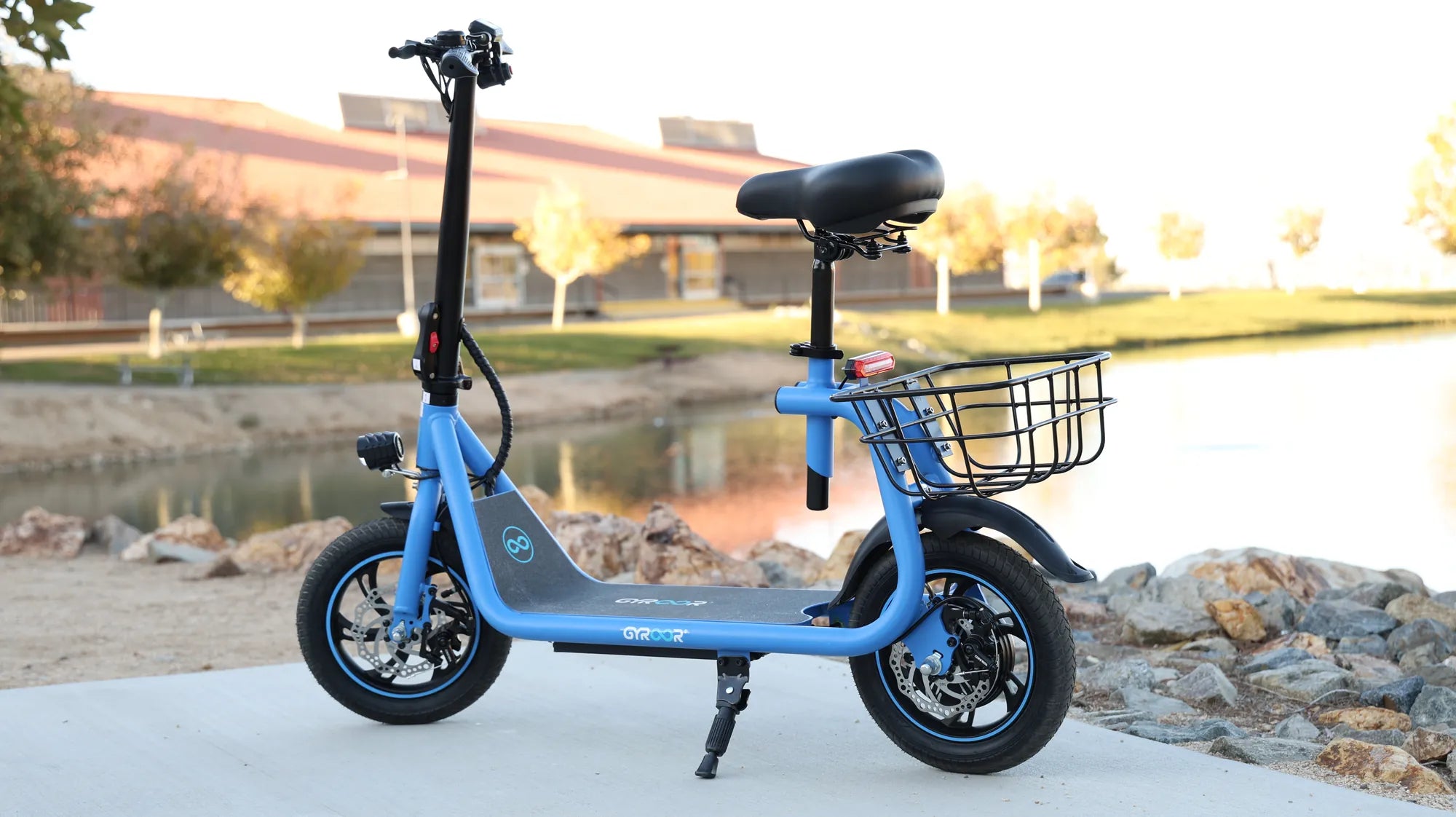
A: Look for robust construction: a sturdy steel or thick plastic frame, stable three-point stance, smooth-rolling rubber or EVA tires, sealed bearing wheels for quiet operation, and adjustable components. Check for safety certifications. Brands known for durability and thoughtful design, like those in the Gyroor family of products which emphasize UL-certified safety and robust build quality, often translate these principles to their younger rider offerings, ensuring reliable performance.
Pedaling Toward Confidence and Fun
The image of your toddler riding a tricycle, face lit with determination and triumph, is a milestone worth preparing for. This journey is about far more than learning to operate a toy; it's about nurturing physical development, cognitive growth, and unshakeable self-confidence. By choosing the right equipment, prioritizing safety without compromise, and guiding with patience, you set the stage for success.
Celebrate every small victory—the first successful pedal rotation, the first intentional turn, the first time they ride across the patio without stopping. These moments are the building blocks of independence. Remember that the ultimate goal is fun and joyful exploration. The skills and memories built during this stage create a positive foundation for a lifetime of active, healthy mobility.
As your child's world expands on three wheels, remember that the principles of quality, safety, and joyful riding extend to all forms of personal electric mobility. For the older riders in your family, explore the innovative and reliable options designed for adventure and daily commuting. Browse the full Gyroor collection of UL-certified electric scooters and e-bikes, trusted by over 100,000 riders, at gyroorboard.com.
150cc Bike Top Speed: Real-World Performance & Key Factors
School Trike: The Ultimate Guide to Safe, Stable Student Commuting