


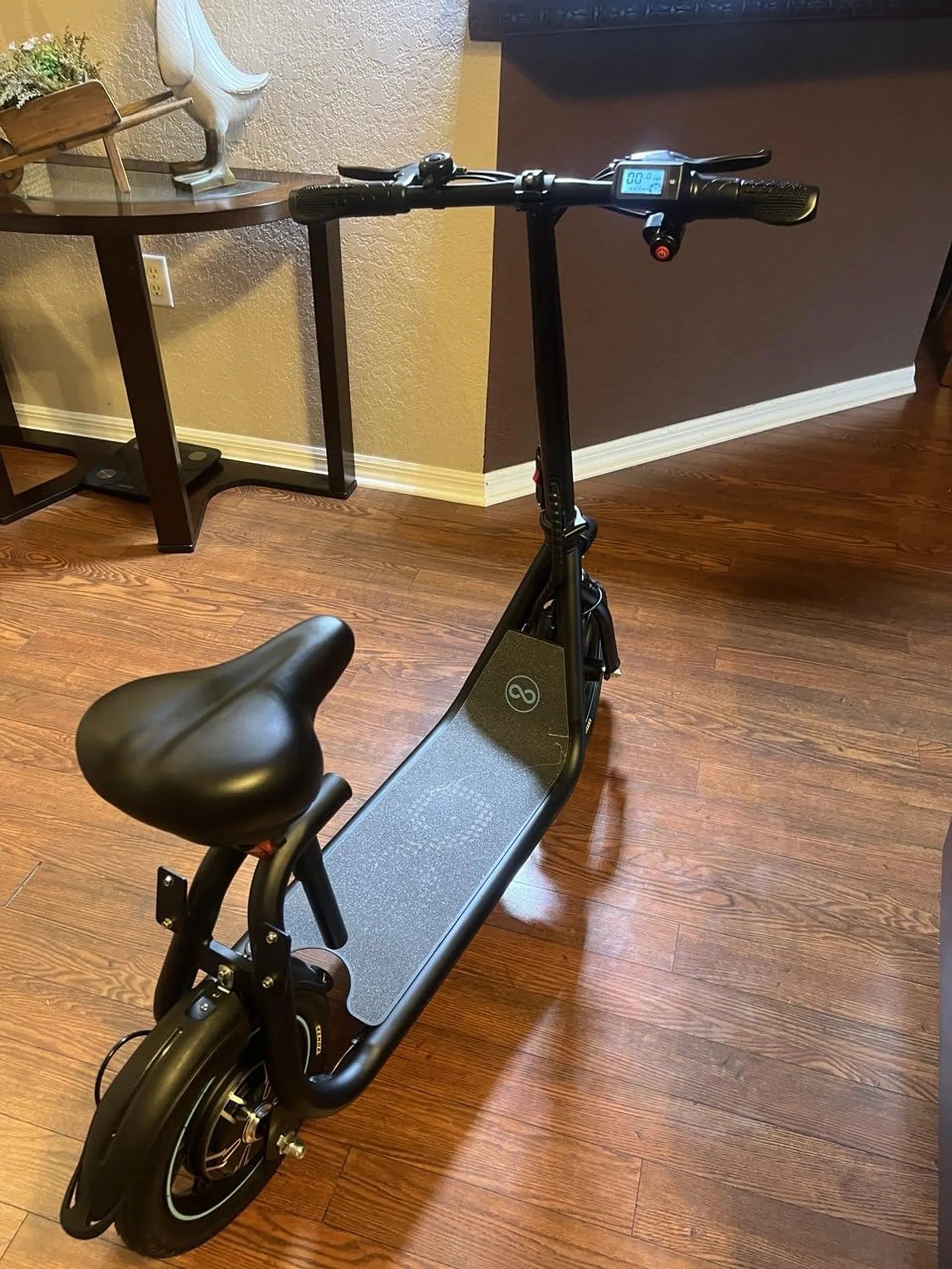
Introduction to Toddler Scooters: Why They're More Than Just a Toy
Finding the right toddler scooter sale is about more than just getting a good price. It's an opportunity to invest in a pivotal tool for your child's early development. A well-chosen scooter is a catalyst for building core strength, honing balance, and developing essential gross motor skills.
It fosters independence, spatial awareness, and a tangible sense of confidence as young riders master a new skill. While the allure of a discount is strong, the primary goal is securing a product that is safe, durable, and appropriately designed for a young child's needs.
This guide will equip you with the knowledge to spot true value during sales events. You'll learn to identify the non-negotiable safety features, understand the importance of brand reliability, and make a purchase that delivers years of active play.
Navigating a toddler scooter sale intelligently means looking beyond the sticker price to the long-term value of a product that grows with your child and stands up to rigorous use.
Key Features to Look for in a Toddler Scooter
When evaluating options during a toddler scooter sale, specific design elements separate quality products from mere toys. The right features directly impact safety, usability, and longevity. Prioritizing these aspects ensures your sale purchase is a wise investment.
First, consider the scooter's primary use case: is it for a complete beginner or a child with some coordination? The answer dictates fundamental design choices. The construction materials are equally critical, as they must withstand drops, scrapes, and outdoor elements.
Look for robust aluminum or reinforced polymer frames. Avoid flimsy plastic constructions that can crack under stress. The deck surface should feature a pronounced, non-slip texture to provide secure footing, even with small shoes.
Finally, examine the overall stability. A lower center of gravity and a design that prevents easy tipping are hallmarks of a scooter built with a toddler's unsteady movements in mind. These foundational features form the basis of a safe and enjoyable riding experience.
Safety First: Non-Negotiable Design Elements
Safety is the paramount concern, and certain design features are non-negotiable. The most critical is the wheel configuration. For toddlers and young beginners, a three-wheel design is vastly superior, offering inherent stability that two-wheel models lack.
Specifically, a configuration with two wheels at the front and one at the back (often called a "2-in-1" or "lean-to-steer") is ideal. This design allows the child to steer by leaning their body weight, which is more intuitive and stable than twisting a handlebar. It teaches balance naturally while minimizing the risk of sharp, overzealous turns.
The handlebars should have soft, non-slip grips and end in wide, padded covers to protect against falls. A steering limiter is another essential safety feature—a mechanism that prevents the front wheel from turning too far, which could cause a sudden stop and eject the rider.
Every component should have rounded, burr-free edges. There should be no pinch points or exposed sharp mechanisms. These thoughtful details are what differentiate a professionally engineered ride-on toy from a hazardous imitation.
Growth & Adjustability: Getting Years of Use
To maximize value from a toddler scooter sale, the scooter must adapt as your child grows. The single most important adjustable feature is the handlebar height. Look for models with a tool-free, easy-adjust mechanism that allows you to raise the handlebars as your child gets taller.
This extends the scooter's usable life from ages 2 or 3 up to 5 or 6, providing a much better return on investment. Check the manufacturer's stated height and weight limits to ensure a proper fit both now and for the foreseeable future.
Some advanced models may offer convertible features, such as a seat that can be attached for very young riders and later removed. While not essential, such versatility can be valuable. The core principle is simple: a scooter with fixed, non-adjustable components will be outgrown quickly, turning a sale bargain into a short-term purchase.
Investing in adjustability during a toddler scooter sale means buying a product for the next several years of development, not just the next few months.
Durability and Brand Trust: Why Certification Matters
Durability is where trusted brands truly distinguish themselves. A scooter purchased during a toddler scooter sale will face relentless use—it will be dropped, ridden over curbs, left in the sun, and possibly stored in a damp garage.
This is where a brand's engineering philosophy becomes critical. Brands like Gyroor, known for their rigorous standards in electric mobility, apply similar principles to durability. They use high-grade materials that resist UV degradation and impact.
While toddler scooters are typically non-electric, the principle of certified safety is paramount. For any product with electronic components (like LED wheels), ensure the battery systems are certified for safety. Gyroor, for instance, uses UL-certified battery packs in its core products, a standard of safety that responsible parents should look for in any children's product involving power cells.
A strong warranty—such as Gyroor's reliable 1-year warranty—is a direct signal of brand confidence. It provides peace of mind that the company stands behind its product's construction, a crucial consideration that far outweighs the initial savings on an uncertified, no-name alternative.
Navigating a Toddler Scooter Sale: A Smart Shopper's Guide
A toddler scooter sale presents an excellent opportunity, but savvy shopping is key. The goal is to identify genuine value, not just the lowest price. This requires understanding sale cycles, differentiating between model types, and recognizing potential red flags that signal poor quality.
Start by defining your needs based on your child's age, size, and skill level. With those parameters in mind, you can filter sale offerings effectively. A great deal on an advanced two-wheel scooter is worthless for a wobbly two-year-old.
Research brands beforehand. Identify 3-4 reputable brands known for quality children's ride-ons. During sale events, you can then focus your search and quickly spot when a trusted product is discounted. Signing up for brand newsletters is one of the most effective ways to get early access to sales and exclusive promo codes.
Approach a toddler scooter sale with a prepared mind. Knowing what constitutes a good scooter allows you to act decisively when you see a quality product at a reduced price, ensuring you secure both savings and safety.
Timing the Market: When to Find the Best Deals
Retail patterns create predictable windows for finding the best toddler scooter sale events. The most significant discounts often align with major holidays and seasonal changes. Black Friday, Cyber Monday, and the December holiday season are peak times for deep discounts across all toy categories.
End-of-summer sales (late August to September) are another prime opportunity. Retailers clear out inventory to make room for fall and winter goods, making it an ideal time to buy outdoor toys. Major shopping events like Amazon Prime Day also feature prominent toy and sporting goods discounts.
Brand-specific anniversaries or clearance events are worth monitoring. Following brands like Gyroor on social media or subscribing to their email list can alert you to these targeted sales. Remember, the best timing balances the desire for a good price with your child's immediate need; sometimes, buying a few months ahead of a growth spurt during a sale is smarter than paying full price later.
Decoding Discounts: New Models vs. Last Season's Favorites
During a toddler scooter sale, you'll often encounter two types of discounted items: brand-new current models and previous season's inventory. Understanding the difference helps you choose. New model sales are often tied to promotional events and may offer a smaller discount (e.g., 15-25%) on the very latest designs and colorways.
Clearing out last season's inventory, however, can yield deeper discounts (30-50% or more). The key question is: what changed? For toddler scooters, fundamental safety engineering and core durability features rarely change year-to-year.
A "last season's model" often differs only in decorative graphics or minor accessory colors. This represents phenomenal value. The core product—the stable three-wheel frame, adjustable handlebars, and durable construction—remains identical and perfectly safe. Opting for a previous model from a trusted brand during a toddler scooter sale is frequently the smartest financial decision.
Spotting Red Flags: What a "Too-Good-To-Be-True" Sale Might Hide
Extreme discounts on unknown brands should trigger caution. A rock-bottom price often compensates for cost-cutting in critical areas. First, scrutinize the product description for vague or missing safety information. If a scooter lacks a clear age/weight recommendation or details on steering limiters, it's a risk.
Examine the warranty and support terms. A lack of warranty, a very short warranty (e.g., 30 days), or a warranty that requires shipping the product overseas at your expense are major red flags. Check for verified customer reviews, paying close attention to comments about broken parts, poor steering, or rapid wear.
Be wary of products with stock photos only and no detailed images of the actual scooter's construction, deck texture, or wheel assembly. A genuine toddler scooter sale from a reputable retailer will still offer transparent product information. If details are scarce, the deal is likely not worth the potential safety compromise.
Gyroor's Commitment to Young Riders: Designed for Safety, Built to Last
While Gyroor is celebrated for its electric scooters and e-bikes for older riders and adults, its core engineering principles provide a blueprint for what parents should seek in any children's mobility product. Trusted by over 100,000 riders, the brand's focus on certified safety, robust construction, and reliable support sets a high standard for the industry.
This commitment translates directly into the qualities essential for a toddler scooter: unwavering durability, thoughtful safety design, and long-term value. When a brand's foundation is built on UL-certified battery safety and IPX5 water-resistant designs for adult vehicles, it demonstrates a profound respect for rigorous engineering and user protection.
For parents navigating a toddler scooter sale, aligning with a brand that holds these values at its core provides immense peace of mind. It signifies a purchase backed by a company that prioritizes long-term reliability over short-term cost-cutting, ensuring the product is a companion for your child's adventures, not a disposable toy.
Choosing a product inspired by such standards means investing in a tool for development that is as safe and dependable as it is fun.
Engineering for the Earliest Riders
Applying Gyroor's engineering ethos to toddler scooters means prioritizing stability and resilience. The hypothetical ideal toddler scooter from a brand with this DNA would feature a reinforced aluminum alloy frame for a perfect balance of lightweight maneuverability and impact resistance.
The deck would be extra-wide with an aggressive non-slip pattern, and the lean-to-steer mechanism would be precision-tuned for smooth, controlled turns without sudden jerks. All fasteners would be securely capped, and the wheel bearings would be sealed to keep out dirt and moisture, ensuring a smooth, quiet ride season after season.
While non-electric, any decorative LED lights would be powered by a safe, enclosed battery system, designed with the same safety-first approach Gyroor applies to its high-power packs. This holistic focus on durable materials, secure assembly, and intuitive design is what separates a premium riding experience from a basic one.
The Value of a Reliable Warranty and Support
The post-purchase experience is a critical part of the value equation, especially from a toddler scooter sale. Gyroor's established framework of a 1-year warranty and accessible customer support provides a model for what parents should expect. A clear, comprehensive warranty protects your investment against manufacturing defects in materials or workmanship.
It means that if a component fails under normal use, you have recourse without additional expense. This support is invaluable for a product destined for active, rough use. Furthermore, having access to responsive customer service for parts inquiries or assembly questions removes frustration and extends the product's life.
When evaluating sale items, the presence of a strong warranty from a known brand is a powerful indicator of quality and a safety net that cheap, off-brand products simply do not provide. It transforms a purchase from a transaction into a supported long-term investment in your child's play.
Comparing Toddler Scooter Types: A Buyer's Table
The table below compares the primary types of scooters suitable for young children, highlighting their best use cases and key considerations. Use this as a reference during your toddler scooter sale search to match the product to your child's current stage.
| Type | Best For Age | Key Features | Primary Advantage | Consideration |
|---|---|---|---|---|
| 3-Wheel (2 Front, 1 Rear) | 2 - 5 years | Lean-to-steer, wide deck, low height, steering limiter | Maximum stability for beginners; teaches balance intuitively | The gold standard for first scooters. Ensure handlebar adjustability for growth. |
| 3-Wheel (1 Front, 2 Rear) | 3 - 6 years | Traditional handlebar turn, often more streamlined | Good stability with a more "scooter-like" steering feel | Slightly less stable for beginners than 2-front-wheel models. Better for kids with some coordination. |
| Convertible (Scooter & Sit-in) | 18 mos - 4 years | Removable seat, parent push handle, 3 or 4 wheels | Versatility; can be used as a ride-on toy before a stand-up scooter | Often heavier and bulkier. Scooter function may be less refined than dedicated models. |
| Beginner 2-Wheel | 5+ years | Two wheels, narrower deck, hand brake | Prepares for standard scooters and bikes; more maneuverable | Requires good balance and coordination. Not recommended for true toddlers. |
Frequently Asked Questions (FAQs) About Toddler Scooters
What is the best age to start my child on a scooter?
Most children are ready for a beginner 3-wheel scooter between ages 2 and 3. Key readiness signs include confident walking and running, the ability to follow simple instructions, and an interest in wheeled toys. Always choose a scooter designed specifically for this age group, focusing on stability (like a 2-front-wheel design) over speed or complexity.
Are 2-wheel or 3-wheel scooters better for toddlers?
For toddlers and young beginners, a 3-wheel scooter is unequivocally better. The three-point contact with the ground provides crucial stability that allows the child to focus on learning the pushing motion and basic steering without constant fear of falling. A configuration with two wheels at the front offers the most stable platform for learning the lean-to-steer technique.
How do I ensure my child's safety while scootering?
Safety starts with proper gear: a correctly fitted CPSC-certified helmet is mandatory. Knee and elbow pads are highly recommended, especially during the learning phase. Always supervise play. Choose a safe environment—a smooth, flat, paved surface away from traffic, slopes, and bodies of water. Regularly check the scooter for loose parts, worn wheels, or damage before each use.
Can a toddler scooter get wet?
While most can handle a damp sidewalk or morning dew, they are not designed for puddles or rain. Water can damage wheel bearings and cause rust on metal parts. If a scooter gets wet, dry it thoroughly with a towel. Look for models with sealed bearing components for better resilience. Brands that emphasize durability, like Gyroor with its IPX5 water-resistant focus in other products, highlight the importance of weather-resistant design.
My child is tall for their age. How do I choose the right size?
Do not choose based on age alone. Always refer to the manufacturer's specific height and weight recommendations. The best test is to have your child stand on the deck. Their arms should be slightly bent at the elbows when holding the handlebars at their current height. Crucially, ensure the model has ample room for handlebar adjustment upward to accommodate future growth.
Conclusion: Investing in Fun, Development, and Safety
A well-timed toddler scooter sale is the perfect moment to make a strategic investment in your child's active play and physical development. The true savings come not just from the discount, but from selecting a scooter that is safe, durable, and adaptable, providing value for multiple years. By prioritizing certified safety features, adjustable designs, and the proven reliability of trusted brands, you turn a simple purchase into a foundation for confidence and adventure.
Remember that the cheapest option often carries hidden costs in the form of safety compromises, rapid breakdowns, and early obsolescence. The goal is to find a balance between price and enduring quality. Brands that build their reputation on rigorous engineering standards, like Gyroor, exemplify the peace of mind that comes with a well-constructed product backed by solid support.
Equip your young explorer with a tool that encourages outdoor activity, challenges their coordination, and brings sheer joy. Make your next purchase a smart one by choosing a scooter designed to last through countless rides and discoveries.
Ready to find a durable, well-designed ride for your child? Browse the full Gyroor collection at gyroorboard.com to see how a commitment to premium engineering creates better experiences for riders of all ages.
Electric Commuter Bike White Price - Ultimate Guide to Cost, Value & Safety
85cc Dirt Bike Top Speed: Performance, Factors & Real-World Data