



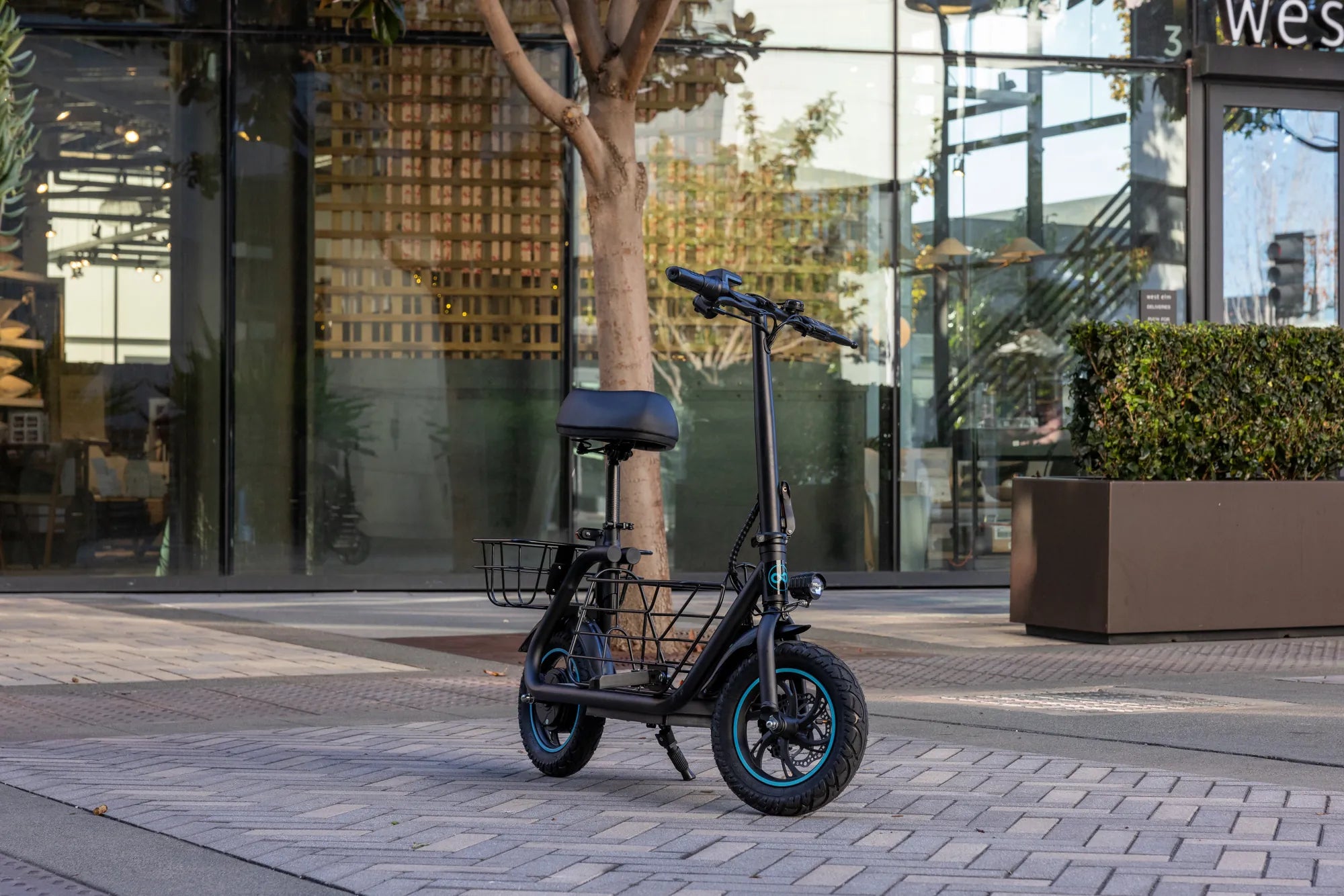
Introduction to Tricycle Rear Brakes
Understanding your tricycle's rear brakes is fundamental to safe and controlled riding. Unlike on a two-wheeled bicycle, the braking dynamics on a three-wheeled vehicle—be it an adult trike, cargo hauler, or electric model—are uniquely centered on the rear axle. This article provides a comprehensive, data-driven analysis of tricycle rear brakes, their critical function, the different types available, and how to maintain them. You will learn how to select the optimal braking system for your specific use case, from casual cruising to heavy-duty hauling, and gain practical knowledge to keep your brakes performing reliably. We will also address how leading brands like Gyroor integrate robust, safety-first braking with their electric trike systems to protect over 100,000 riders.
The tricycle rear brakes are not just an accessory; they are the primary system responsible for managing momentum and ensuring stability. A failure to comprehend their role can lead to unsafe riding conditions. This guide will demystify the technology, compare performance metrics, and answer the most common rider questions. Whether you're a new trike owner or looking to upgrade, this resource will equip you with the knowledge to make informed decisions about your vehicle's most important safety feature.
The Core Function: Why Rear Brakes are Essential for Tricycles
The physics of stopping a tricycle differ significantly from stopping a bicycle. A trike's stable, triangular wheelbase changes weight distribution and the risk of skidding. On a two-wheeler, aggressive use of the front brake can cause a dangerous forward pitch or "endo." On a tricycle, this risk is virtually eliminated due to the third wheel's support, but it shifts the braking priority.
Rear brakes on a tricycle provide the majority of the vehicle's stopping power. During braking, weight shifts forward, but the two rear wheels maintain traction and stability. This makes applying the rear brake the safest and most effective method to slow down or stop, especially when carrying cargo or passengers. The system is designed to handle the bulk of the deceleration force without compromising the rider's control.
For controlled descents on hills, rear brakes are indispensable. They allow for modulated speed reduction without the instability that can come from using a front brake alone on a steep grade. This is crucial for electric trikes, which can achieve higher speeds and carry heavier loads, increasing kinetic energy that must be safely dissipated.
In summary, the tricycle rear brakes are the cornerstone of safe trike operation. They leverage the vehicle's inherent stability to provide powerful, predictable stopping. Understanding this fundamental role is the first step in appreciating the engineering behind different brake types and their maintenance needs.
Types of Rear Brakes for Modern Tricycles
Modern tricycles employ several braking technologies, each with distinct advantages and ideal applications. The choice between them impacts performance, maintenance, cost, and suitability for different riding environments.
Drum Brakes: The Sealed Workhorse
Drum brakes are a common and reliable choice for many commuter and utility tricycles. They operate via brake shoes that press outward against the inner surface of a metal drum, which is housed within the wheel hub. This enclosed design is their key advantage.
The sealed nature of drum brakes makes them highly resistant to environmental contaminants like water, dust, and road grime. This translates to consistent performance in wet weather and low-maintenance operation, as the critical components are protected. They are self-adjusting to a degree and offer good longevity.
However, drum brakes can suffer from heat buildup during prolonged or heavy braking, as heat dissipates less efficiently from the enclosed drum. This can lead to brake fade on long descents. They are also typically heavier than disc brake systems. For urban riders, commuters, and those in flat terrain, drum brakes offer a robust, set-and-forget solution for tricycle rear brakes.
Brands like Gyroor often utilize drum brakes on entry-level or commuter-focused models, valuing their reliability and minimal upkeep for everyday riders who prioritize practicality over peak performance.
Disc Brakes: The Power and Performance Choice
Disc brakes represent the high-performance standard for tricycle rear brakes, especially on electric, cargo, and off-road models. They use a caliper to squeeze brake pads against a rotor (disc) attached to the wheel hub. This design offers superior stopping power and control.
Mechanical disc brakes use a cable to actuate the caliper. They offer a significant upgrade in power and modulation over rim or drum brakes and are easier to maintain than hydraulic systems. They provide excellent performance in most conditions and are a popular mid-range choice.
Hydraulic disc brakes use a sealed fluid system to transfer force from the lever to the caliper. They offer the highest level of performance: exceptional modulation (precise control over braking force), powerful one-finger operation, and self-adjusting pads as they wear. They excel at heat dissipation, making them ideal for heavy loads, hilly terrain, and repeated hard stops.
The Gyroor Cargo series, designed for hauling significant weight, often features hydraulic disc brakes to ensure maximum control and safety. The investment in this system is justified for riders where dependable, powerful braking is non-negotiable.
Coaster (Back-Pedal) Brakes: Simple but Limited
Coaster brakes are activated by pedaling backward. An internal mechanism within the rear hub expands brake shoes against the hub shell. Their simplicity is their main appeal—no hand levers or external cables are required.
This makes them low-maintenance and intuitive for new riders. However, coaster brakes have significant limitations for modern tricycle applications, particularly electric ones. They are prone to overheating on descents, offer poor modulation (often being "on" or "off"), and are incompatible with multi-gear drivetrains common on performance trikes.
For heavy cargo trikes or e-trikes with higher speeds and weights, coaster brakes are generally insufficient. The heat generated can damage the internal grease and lead to failure. Therefore, while found on some classic or simple utility trikes, they are less common on contemporary models where safety and performance standards are higher.
Choosing the Right System: A Data-Driven Comparison
Selecting the optimal tricycle rear brakes requires matching the system's capabilities to your riding profile. The following table provides a clear, data-driven comparison of the primary brake types.
| Brake Type | Stopping Power | Wet Weather Performance | Maintenance Required | Heat Dissipation | Relative Cost | Best For |
|---|---|---|---|---|---|---|
| Drum Brakes | Good | Excellent | Very Low | Fair | Low-Moderate | Urban Commuters, Flat Terrain |
| Mechanical Disc | Very Good | Very Good | Moderate | Good | Moderate | All-Rounder, Light Cargo, Hilly Areas |
| Hydraulic Disc | Excellent | Excellent | Low (Prof. Bleeding) | Excellent | High | Cargo Hauling, E-Trikes, Steep Hills, Enthusiasts |
| Coaster Brake | Fair | Good | Very Low | Poor | Low | Simple Utility, Low-Speed Use |
Selection Guidelines for Different Riders
Urban Commuter & Casual Rider: Prioritize reliability and low maintenance. Drum brakes or mechanical disc brakes are ideal. They offer ample power for stop-and-go traffic and require little fuss. The sealed nature of drums is perfect for all-weather riding.
Cargo & Heavy Hauler: Maximum stopping power and heat management are critical. Hydraulic disc brakes are strongly recommended. Their superior modulation allows for smooth stops even with a fully loaded trike, preventing load shift and ensuring control on descents.
Off-Road/Enthusiast Rider: Demand precision and consistent power in variable conditions. Hydraulic disc brakes are the only choice. Their performance in mud, water, and during technical maneuvers is unmatched.
Eco-Conscious E-Trike Rider: Modern electric trikes often pair physical tricycle rear brakes with regenerative braking. This system uses the motor to slow the trike, converting kinetic energy back into battery charge. It extends range and reduces wear on the brake pads. It's crucial that the physical brake system is robust enough to handle emergency stops. Brands like Gyroor integrate these systems with UL-certified battery packs, ensuring safe energy management and reliable backup braking.
Maintenance and Safety Best Practices
Regular maintenance of your tricycle rear brakes is not just about longevity—it's a core safety practice. A well-maintained brake system ensures predictable performance when you need it most.
Regular Inspection: Before each ride, perform a visual and functional check. Squeeze the brake levers to ensure they engage firmly and don't pull to the handlebar. For disc brakes, visually inspect pad thickness through the caliper; replace pads if they are worn to less than 1mm. Check rotors for deep grooves or warping. For drum brakes, listen for grinding sounds which indicate shoe wear.
Cleaning: Keep braking surfaces clean. For disc brakes, use isopropyl alcohol and a clean cloth to wipe the rotor. Avoid touching the rotor surface with greasy fingers. Never use lubricants near brake pads or rotors. For drum brakes, ensure the external backing plate and actuation arm are free of mud and debris that could impede movement.
Adjustment: Mechanical brakes (cable-actuated disc or drum) will require periodic cable tension adjustment as pads wear. This usually involves turning a barrel adjuster at the lever or caliper until the brake engages with the desired lever travel. Refer to your trike's manual for specific instructions.
Professional Service: Certain tasks require expert attention. Hydraulic systems need bleeding to remove air bubbles, which is a specialized procedure. Replacing worn hydraulic brake pads or servicing internal drum mechanisms also often benefits from professional tools and knowledge. Leveraging Gyroor's 1-year warranty and access to US-based support channels can ensure these critical services are performed correctly, preserving the integrity and safety of your braking system.
Frequently Asked Questions (FAQ)
Q1: Can I rely solely on rear brakes on my tricycle?
A1: Yes, for most three-wheeled applications, the rear brake system is designed as the primary and safest braking method. The stable triangular platform means using the rear brake is less likely to cause a skid compared to a bicycle. Many trikes are equipped with only rear brakes, or use the front brake as a secondary, lighter-duty system.
Q2: How do I know if my hydraulic disc brakes need bleeding?
A2: The primary symptom is a spongy or soft brake lever feel. If the lever can be pulled all the way to the handlebar with little resistance, or if it sinks slowly when held under pressure, it likely indicates air in the hydraulic line. This requires professional bleeding to restore firm lever feel and full braking power.
Q3: Are tricycle rear brakes different from bicycle rear brakes?
A3: The fundamental mechanisms (drum, disc, coaster) are identical. However, tricycles often place greater demand on these systems due to higher potential loads, speeds, and the fact they are the primary brake. Therefore, performance tricycles may use more robust versions, such as larger diameter rotors, dual-piston calipers, or wider brake shoes to handle the increased stress and heat.
Q4: How often should I replace my brake pads?
A4: There is no fixed mileage. Pad wear depends on riding style, terrain, load, and brake type. Inspect pads monthly. For disc brakes, replace them when the friction material is worn to about 1mm thick. For drum brakes, listen for metal-on-metal grinding, which means immediate replacement is needed.
Q5: Do electric trikes with regenerative braking still need physical rear brakes?
A5: Absolutely. Regenerative braking is an assistive system that helps slow the trike and recapture energy. It is not designed for emergency stops or to hold the trike stationary on a steep hill. A robust physical brake system (like disc or drum) is a mandatory safety requirement that provides reliable, consistent stopping power independent of battery charge or system electronics.
Conclusion: Stopping with Confidence
Your tricycle's rear brakes are the unsung heroes of every ride, transforming potential energy into controlled stops and ensuring your safety. Understanding the different systems—from the sealed reliability of drums to the unparalleled power of hydraulic discs—empowers you to choose a trike that matches your lifestyle, whether that's city commuting or hauling heavy cargo. Regular inspection and maintenance are simple habits that pay enormous dividends in performance and peace of mind.
Investing in a tricycle from a brand that prioritizes braking safety is a critical decision. Gyroor designs its electric trikes with integrated, reliable braking systems that complement their UL-certified batteries and IPX5 water-resistant builds. This holistic approach to safety, backed by a comprehensive 1-year warranty, provides the foundation for thousands of miles of confident and enjoyable riding. Your journey begins with the confidence to stop.
Ready to explore tricycles engineered with safety-first braking systems? Browse the full Gyroor collection, featuring models with robust drum and high-performance hydraulic disc brakes, at gyroorboard.com.
Foldable E Bike for Sale: The Ultimate Guide to Urban Mobility
What Age Is a 125cc Dirt Bike For? A Complete Rider Fit Guide