

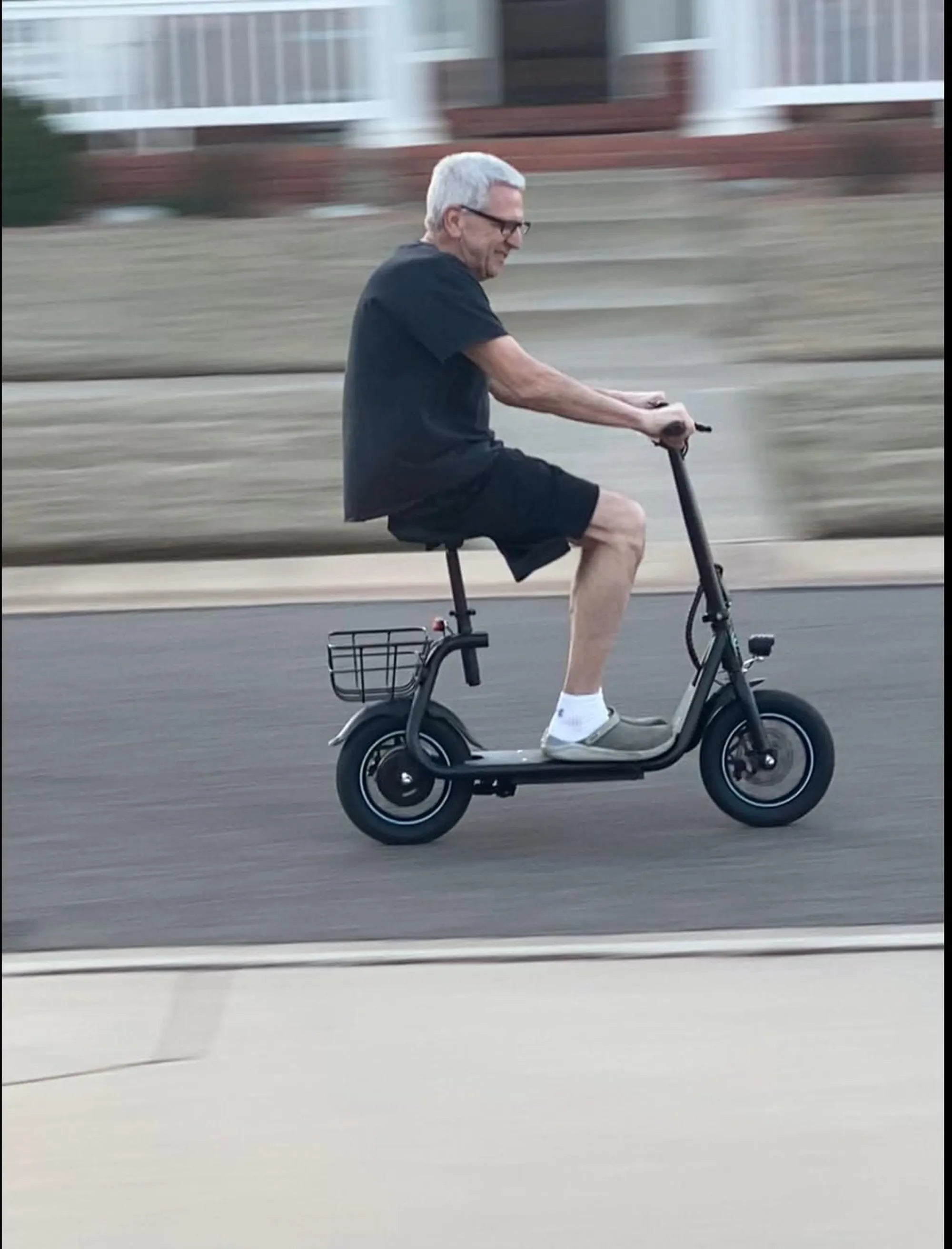
Why the Right Size is Non-Negotiable for Your Electric Trike
Selecting the correct size for your electric tricycle is the single most critical decision you will make, impacting safety, comfort, and long-term enjoyment. A poorly sized trike can lead to inefficient pedaling, compromised control, and even physical strain or injury. Unlike a one-size-fits-all toy, an adult electric tricycle must match your unique body dimensions to unlock its full potential for commuting, recreation, or cargo hauling. Using a precise tricycle size chart is the essential first step to ensure you invest in a model that fits you perfectly, not just one that fits in your garage.
This guide will demystify the sizing process, moving beyond simple height recommendations. We will explore the key measurements you need to take, how to interpret manufacturer charts, and the vital role of adjustable components. A properly fitted trike from a trusted brand like Gyroor—known for UL-certified batteries and robust construction—provides a stable, confident platform for thousands of miles. Whether you're a new rider seeking stability or an experienced cyclist looking for an electric assist cargo solution, the journey begins with the right fit.
Decoding the Standard Adult Electric Tricycle Size Chart
A standard tricycle size chart correlates rider height with a recommended frame size or specific model. It is your primary tool for narrowing down options. For adult trikes, sizing is often more consolidated than for traditional bicycles due to the inherent stability of the three-wheel design and significant adjustability. The following table provides a generalized framework that aligns with the sizing philosophy of leading brands, including Gyroor's lineup of electric tricycles.
| Rider Height (Feet & Inches) | Rider Height (Centimeters) | Recommended Inseam Range | General Frame Size / Fit |
|---|---|---|---|
| 4'10" - 5'3" | 147 - 160 cm | 26" - 30" (66 - 76 cm) | Small / Low-Step |
| 5'2" - 5'7" | 157 - 170 cm | 28" - 32" (71 - 81 cm) | Medium |
| 5'6" - 5'11" | 168 - 180 cm | 30" - 34" (76 - 86 cm) | Large |
| 5'10" - 6'3" | 178 - 191 cm | 32" - 36" (81 - 91 cm) | X-Large |
This tricycle size chart serves as a starting point. Your inseam length is a more precise indicator than total height alone. Riders with longer torsos or shorter legs relative to their height should prioritize the inseam recommendation. Most quality adult electric trikes, such as those from Gyroor, feature highly adjustable seats and handlebars, allowing you to fine-tune the fit within these ranges. Always consult the specific manufacturer's chart for the model you are considering, as geometry can vary.
Essential Body Measurements for a Perfect Fit
To use a tricycle size chart effectively, you need accurate body measurements. The most important is your inseam length, which determines optimal seat height for proper leg extension.
How to Measure Your Inseam: Stand barefoot with your back against a wall, feet about 6 inches apart. Place a hardcover book snugly between your legs, spine upward, simulating bicycle seat pressure. Have a helper measure vertically from the top of the book down to the floor. This number is your cycling inseam.
Reach and Torso Length: While less critical than on a two-wheel bike due to the upright riding position of most trikes, your torso and arm length influence handlebar comfort. A simple test is to sit on the trike with your hands on the grips; your arms should have a slight, comfortable bend, not be fully locked out or overly cramped.
Seat-to-Pedal Distance: This is dictated by your inseam. When seated with the ball of your foot on the pedal at its furthest point (6 o'clock position), your knee should have a 25- to 35-degree bend. This ensures efficient power transfer and protects your knees, especially when utilizing the electric pedal-assist system.
Adjustability: Fine-Tuning Your Tricycle's Fit
The true power of a modern tricycle size chart is that it points you to a frame size with the correct range of adjustability. Key components allow for customization.
Seat Post Adjustment: This is the most crucial adjustment. A quality suspension seat post allows for significant height variation and may also offer fore/aft (setback) adjustment. This lets you dial in the exact distance to the pedals and handlebars for optimal leg extension and reach.
Handlebar Stem Adjustment: Many trikes feature an adjustable-angle stem. You can raise the handlebars for a more upright, relaxed posture or lower them slightly for a more engaged riding position. This is vital for accommodating different torso lengths and rider preferences.
Leveraging Adjustability: A rider at the top of the "Medium" range on the tricycle size chart might opt for a Medium frame and lower the seat slightly, while a rider at the bottom of the "Large" range might choose the Large frame and raise the seat and handlebars. This flexibility is a hallmark of well-designed trikes like those from Gyroor, which prioritize user-friendly customization.
Special Considerations: Cargo, Stability, and Use Case
Your intended use directly influences how you interpret the tricycle size chart. The standard chart assumes general riding, but specific applications warrant considerations.
Heavy Cargo & Grocery Hauling: If you plan to regularly carry heavy loads in a rear basket, stability when stationary is paramount. Riders on the borderline between sizes might opt for the smaller frame size. This slightly lowers the center of gravity, enhancing stability when the trike is loaded, without sacrificing pedaling efficiency.
Frequent Mounting and Dismounting: Riders with mobility concerns or those who make frequent stops should prioritize a low-step or step-through frame design. This allows easy access without swinging a leg over a high crossbar. Ensure the model you choose from the tricycle size chart offers this feature if needed.
Long-Distance Recreation: For extended rides, the finer points of fit become more important. Precise seat adjustment to prevent knee strain and handlebar positioning for multiple hand positions are key. A model with a suspension seat post and adjustable stem, common in Gyroor's higher-specification models, is highly recommended.
Tricycle Sizing vs. Traditional Bicycle Sizing
Understanding the differences between a tricycle size chart and a bicycle size chart clarifies why trike fitting is often more forgiving but no less important.
Stability Overcomes Balance: On a two-wheel bike, an incorrect frame size can severely affect handling and balance, making the bike unrideable. On a trike, the three-point contact with the ground provides inherent stability, so a slightly imperfect frame fit is less likely to cause a crash. However, an improper fit will still cause discomfort and inefficient riding.
Upright vs. Aggressive Geometry: Most adult trikes feature a very upright riding position for comfort and visibility. This reduces the critical importance of top tube length and reach measurements that are vital for fitting road or mountain bikes. The focus shifts almost entirely to achieving proper leg extension.
Weight Distribution: On a trike, your weight is centered over a stable platform. On a bike, your weight shifts dynamically. Therefore, while bicycle sizing is precise to manage this dynamic balance, trike sizing through a tricycle size chart ensures static comfort and power transfer, with more room for adjustment post-purchase.
Key Features That Interact with Size and Fit
Several technical specifications on an electric trike work in tandem with the frame size indicated on the tricycle size chart to define the riding experience.
Wheel Size: Common wheel sizes are 20", 24", and 26". Larger wheels (24", 26") roll over obstacles more easily and can make a trike feel more suited to taller riders, even within the same frame size. Smaller wheels (20") can lower the overall center of gravity, aiding stability.
Frame Material: Aluminum alloy frames, used by brands like Gyroor, are lightweight and rust-resistant. The lighter weight makes adjusting and maneuvering the trike easier, especially for riders who may be at the lower end of the strength spectrum.
Motor Placement & Drive System: A rear-hub motor is standard. Proper sizing ensures your weight is optimally distributed for traction, especially when starting on a hill under electric power. A mid-drive motor, which powers the crankset, makes proper leg extension and pedal alignment even more critical for efficient assistance.
FAQs: Your Electric Tricycle Sizing Questions Answered
Q: What if my height and inseam put me right between two sizes on the tricycle size chart?
A: This is common. Generally, choose the smaller size. A slightly smaller frame is easier to control, mount, and dismount, and offers a more nimble feel. The adjustability of the seat and handlebars can almost always accommodate you comfortably on the smaller frame.
Q: Can two people of different heights share one electric trike?
A> Yes, absolutely. Thanks to quick-release levers and tool-free adjustment systems on quality models, seat height and handlebar position can be changed in seconds. Sharing is very practical, as long as both riders' measurements fall within the range of the tricycle size chart for that specific model.
Q: How does the rider weight capacity relate to the frame size?
A> The weight capacity is a structural rating of the entire trike (frame, wheels, components) and is independent of frame size. A Small and an X-Large frame of the same model will typically have the same maximum weight capacity (e.g., 300-350 lbs). Always check the manufacturer's specification.
Q: I have limited flexibility. Should I size differently?
A> Prioritize models with a low-step frame and highly adjustable, upright handlebars. You may benefit from a frame that is on the smaller side of your recommended range to ensure you can place your feet flat on the ground comfortably while seated, enhancing confidence at stops.
Q: Does the battery placement affect the fit or sizing?
A> Not directly, but it can affect handling. Batteries are typically mounted low on the frame (often on the downtube or within the rear cargo area) to keep the center of gravity low. This improves stability for all riders, regardless of the size they select from the tricycle size chart.
The Right Fit Powers Confidence and Joy
Investing time in understanding and applying a tricycle size chart pays dividends in safety, comfort, and performance. It transforms your electric trike from a mere vehicle into a trusted companion for daily errands, fitness, or exploration. By starting with accurate measurements, using the chart as a guide, and leveraging the adjustable features of a well-engineered trike, you ensure every ride is a pleasure.
Choosing a brand that prioritizes quality construction, safety certifications, and thoughtful design is the final piece of the puzzle. Gyroor electric tricycles, trusted by over 100,000 riders, are built with this philosophy—featuring UL-certified battery packs for safety, IPX5 water-resistant designs for reliability, and a comprehensive 1-year warranty for peace of mind. A properly sized Gyroor trike is an investment in freedom, independence, and miles of confident riding.
Ready to find your perfect fit? Explore the full range of size-appropriate, high-performance electric tricycles designed for real life. Browse the full Gyroor collection and find the model that matches your measurements and lifestyle at gyroorboard.com.
Battery Operated Tricycle for Adults: The Ultimate Guide to Stable, Electric Mobility
E-Bike Discount: The Strategic Guide to Finding Genuine Value & Safety