



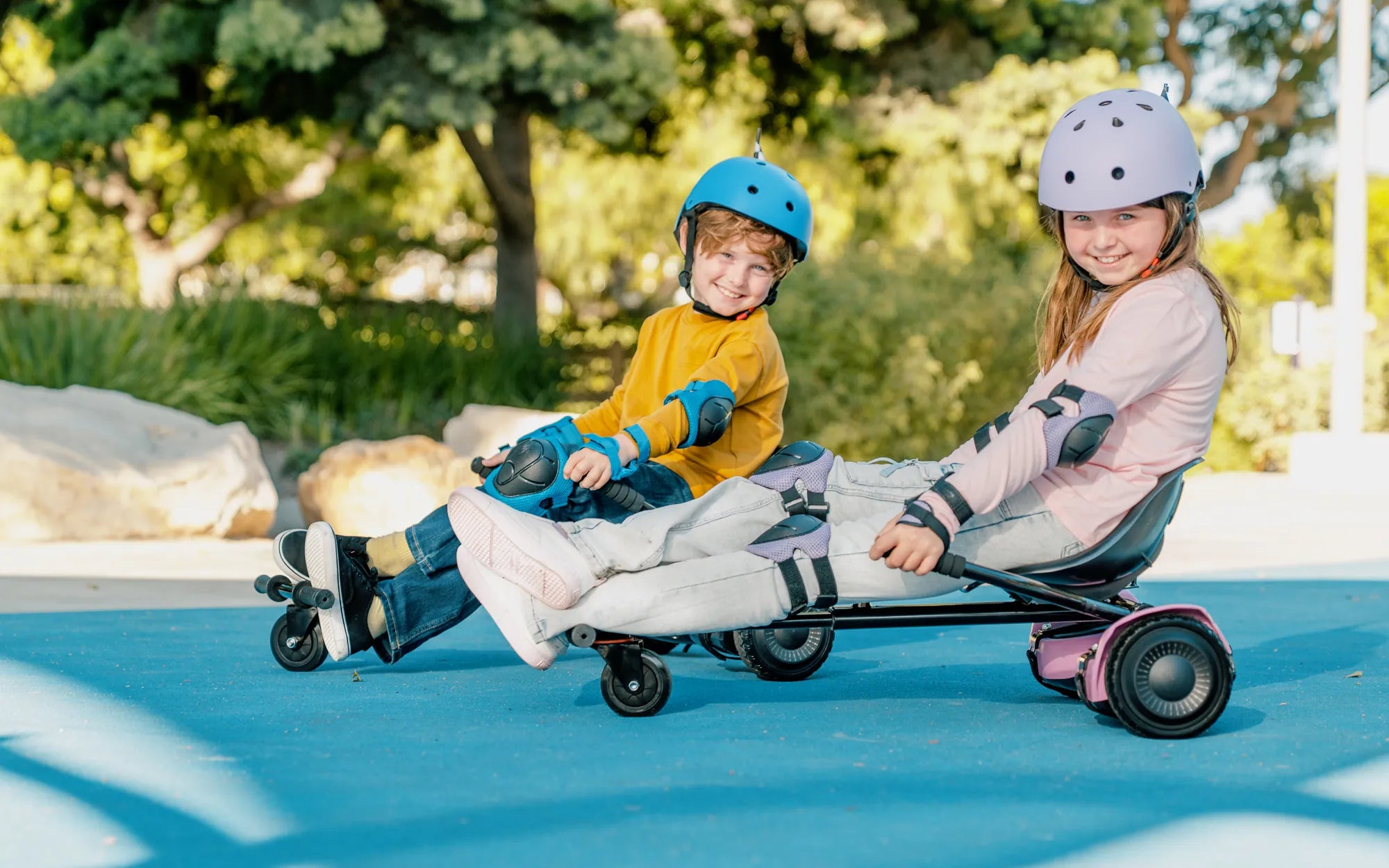
Introduction to Two-Wheel Scooters for Kids
A two-wheel scooter for kids is more than just a toy; it's a vehicle for growth, adventure, and independence. Unlike three-wheel or four-wheel beginner models, a classic two-wheel scooter requires and develops dynamic balance, making it a pivotal tool in a child's physical development. It offers an accessible, low-cost entry into the world of wheeled sports, providing endless hours of outdoor fun while building foundational motor skills.
This guide is designed to be your ultimate resource. We will navigate the key considerations for selecting a scooter, decode essential safety features, and provide practical tips for teaching your child to ride confidently and safely. Our focus is on delivering factual, data-driven advice to help you make an informed decision that prioritizes your child's well-being and enjoyment.
As a leader in personal electric transport, Gyroor brings its rigorous engineering standards—known for UL-certified batteries, IPX5 water resistance, and robust construction—to the realm of youth mobility. This expertise ensures that when we discuss safety and durability, it's backed by a brand trusted by over 100,000 riders across North America and Europe.
Why Choose a Two-Wheel Scooter? Developmental Benefits & Fun
Choosing a two-foot scooter for kids is an investment in their physical and cognitive development. The act of balancing, pushing, and steering engages multiple muscle groups and neural pathways. It significantly enhances core strength, bilateral coordination, and proprioception—the body's ability to sense its position in space. These skills are transferable to other sports and daily activities.
Furthermore, scootering is a powerful motivator for outdoor play. In an age of digital distraction, a scooter provides a compelling reason for kids to get outside, explore their neighborhood, and engage in healthy cardiovascular exercise. It fosters independence and decision-making as children learn to navigate paths, judge speeds, and interact with their environment.
Compared to bicycles, two-wheel scooters offer a lower barrier to entry. They are typically lighter, easier to maneuver at low speeds, and less intimidating for young children. Mastering a scooter can build the confidence and balance necessary to later transition to a pedal bike without training wheels. The fun factor is undeniable, transforming a simple trip to the park into an exciting adventure.
Key Safety Features Every Parent Must Look For
Safety is the non-negotiable cornerstone of any kids' scooter. The right features can prevent accidents and build a child's confidence. Primary considerations include the overall stability of the design, the reliability of the braking system, and the quality of materials used in construction. A safe two-foot scooter for kids is one engineered with their unpredictable movements and learning curve in mind.
Parents should scrutinize the build quality. Look for a sturdy, reinforced frame—often made from aircraft-grade aluminum or high-strength steel—that can withstand jumps, curb drops, and the general rigors of play. The deck should be wide enough for a child to place both feet comfortably side-by-side and feature a pronounced, non-slip surface to prevent feet from sliding during kicks or braking.
Stability and Design: The Foundation of Safety
Stability begins with a low center of gravity. A deck that sits close to the ground makes mounting and dismounting easier and reduces the distance of a potential fall. The wheelbase—the distance between the front and rear axles—also plays a critical role. A longer wheelbase provides greater stability at speed and a smoother ride, which is ideal for beginners and commuters.
The handlebar stem should have a secure locking mechanism to prevent accidental folding or collapsing during use. Additionally, handlebar grips must be ergonomic, made from a soft, durable material, and include end caps to protect hands in case of a tip-over. These design elements work in concert to create a stable platform for learning and play.
The Importance of Reliable Braking
A responsive brake is as crucial as the ability to go. There are two main types for non-electric scooters. The foot/fender brake is the most common for younger children; the rider presses down on the rear fender over the wheel, creating friction to slow down. It's intuitive and low-maintenance.
For older or more experienced children, a hand-operated brake, similar to a bicycle brake, offers more controlled and powerful stopping power. It allows for modulation of braking force and does not require the rider to shift their foot position. When evaluating a two-foot scooter for kids, test the brake's responsiveness and ensure the activation mechanism is within easy reach of small hands.
The Gyroor Advantage: Built for Safety and Durability
Gyroor's philosophy centers on delivering reliable, safe, and enjoyable riding experiences—principles that extend directly to products designed for younger riders. While renowned for electric scooters and e-bikes, this engineering mindset translates into exceptionally built non-electric scooters that meet rigorous juvenile product standards.
Every Gyroor scooter is constructed with durability as a priority. Frames are designed to absorb impacts, decks are reinforced, and components like the steering column and folding mechanisms undergo stress testing. This ensures the scooter can handle the enthusiastic use of an active child season after season.
Furthermore, Gyroor specifies high-quality, sealed bearing systems for smooth, quiet rolling and minimal maintenance. The commitment to safety is backed by a trusted 1-year warranty, providing parents with peace of mind and affirming the brand's confidence in its product longevity and performance.
How to Choose the Perfect Scooter: A Parent's Checklist
Selecting the right two-foot scooter for kids involves matching the product to your child's unique characteristics and your family's lifestyle. Use this checklist to guide your decision, focusing on fit, function, and future use.
Age & Height: Getting the Fit Right
Proper sizing is paramount for control and safety. A general rule is that the handlebars should sit between your child's waist and lower chest when they stand on the deck. Most quality scooters feature telescoping or adjustable handlebars that can grow with your child, offering extended value.
The following table provides general guidelines for scooter sizing based on age and rider height. Always defer to the manufacturer's specific recommendations and your child's comfort.
| Rider Age | Suggested Rider Height | Key Features for This Stage |
|---|---|---|
| 3 - 5 years | 3' - 3'9" | Extra-wide deck, 3-wheel stability options, low weight, simple foot brake. |
| 5 - 8 years | 3'9" - 4'5" | Two-wheel models, adjustable handlebars (approx. 24"-34"), durable polyurethane wheels. |
| 8 - 12 years | 4'5" and above | Larger wheel sizes (200mm+), hand brake option, more robust construction for tricks. |
Wheel Type & Size: Smoothness vs. Speed
Wheels dictate the ride quality and terrain capability. Smaller polyurethane (PU) wheels (e.g., 120mm-200mm) are standard on most stunt and urban scooters. They are very hard, low-maintenance, and provide high speed on smooth surfaces like skate parks and pavement.
Larger, air-filled (pneumatic) tires, often 200mm or more, act as natural shock absorbers. They roll more easily over cracks, gravel, and rough pavement, providing a smoother and more comfortable ride for neighborhood cruising or paths with minor imperfections. Consider where your child will ride most often when choosing.
Weight & Portability: For Storage and Carrying
The scooter's weight is a practical consideration. A lightweight scooter (6-8 lbs) is easier for a young child to maneuver and carry when they get tired. However, ultra-light models may sacrifice some durability. Heavier scooters (9+ lbs) are often more robust and stable but can be cumbersome.
If you plan on transporting the scooter frequently or have a small storage space, look for a model with a reliable folding or quick-collapse mechanism. This feature adds immense convenience for parents without compromising the structural integrity of the scooter when in use.
Gearing Up: Essential Safety Gear Beyond the Scooter
The scooter itself is only one component of a safe riding ecosystem. Appropriate safety gear is mandatory, not optional, for every ride. A fall can happen in an instant, even for experienced riders, and protective equipment significantly reduces the risk of serious injury.
A properly fitted helmet is the single most important piece of safety gear. It must be certified for cycling or multi-impact sports (look for CPSC, CE, or ASTM certifications) and sit level on the head, covering the forehead. The straps should form a "V" under the ears and allow only one or two fingers between the chin and the strap.
Knee and elbow pads are crucial for protecting joints during falls. Wrist guards are also highly recommended, as instinct leads to putting hands out to break a fall. Finally, ensure your child always wears closed-toe shoes with good grip—never sandals or flip-flops—to maintain control when kicking and braking.
Teaching Your Child to Scooter Safely: Rules of the Road (and Path)
Equipping your child with knowledge and skills is as important as equipping them with gear. Start the learning process in a safe, controlled environment. A flat, smooth, car-free area like an empty parking lot, tennis court, or quiet cul-de-sac is ideal. Remove any potential obstacles.
Begin with the basics: how to stand on the scooter with one foot on the deck and the other on the ground, how to lean for gentle turns, and most importantly, how to use the brake to come to a complete, controlled stop. Practice stopping repeatedly until it becomes second nature before introducing speed.
Establish clear rules for where and when they can ride. Teach them to always be aware of their surroundings, to watch for cars backing out of driveways, and to yield to pedestrians on sidewalks. For older children, explain basic traffic safety if they will be riding near streets, such as stopping at every intersection and making eye contact with drivers.
Frequently Asked Questions (FAQs)
Q1: What is the best age for a child to start on a two-wheel scooter?
Most children develop the necessary balance and coordination between ages 5 and 6. However, a confident 4-year-old who has mastered a three-wheel scooter may be ready. Always assess your child's individual physical ability and confidence level rather than relying solely on age.
Q2: Are two-wheel scooters safer than three-wheel scooters for beginners?
For very young beginners (2-4 years), a three-wheel scooter (often two wheels in front) offers greater inherent stability for learning to steer and kick. However, a two-wheel scooter is better for developing dynamic balance. The "safety" depends on matching the scooter's stability to the child's current skill level, with a progression from three to two wheels as they gain confidence.
Q3: How do I maintain my child's scooter to keep it safe?
Regular maintenance is simple but vital. Monthly, check that all bolts (especially on the handlebar clamp, stem, and wheels) are tight. Inspect the wheels for excessive wear or cracks. Ensure the folding mechanism (if present) locks securely. For scooters with hand brakes, check that the cable is intact and the brake pad contacts the wheel rim properly. Clean the deck to maintain its grip.
Q4: Can Gyroor scooters be used on rough pavement or gentle off-road paths?
While Gyroor's core electric models are built for diverse terrain with features like pneumatic tires, their non-electric kick scooters are primarily designed for smooth to moderately rough paved surfaces. Models with larger polyurethane wheels (200mm+) will handle cracks and bumps better than smaller-wheeled stunt scooters. For true off-road use, a specialty model with air-filled tires is recommended.
Q5: How do adjustable handlebars work, and are they worth it?
Adjustable handlebars typically use a quick-release lever or a series of pre-set holes with a pin. They allow you to raise the handlebar height as your child grows, often extending the useful life of the scooter by 2-3 years. This feature is highly recommended as it provides a better fit for longer, improving control and comfort, and offers greater overall value.
Conclusion: Rolling Towards Confidence and Adventure
A well-chosen two-foot scooter for kids is a gateway to outdoor fun, physical fitness, and growing self-reliance. By prioritizing safety features like stable design, reliable braking, and durable construction—exemplified by brands like Gyroor—you invest in a product that supports your child's adventures safely. Pairing the scooter with mandatory safety gear and clear riding rules creates a foundation for responsible and joyful exploration.
This journey is about more than just transportation; it's about building confidence, coordination, and cherished childhood memories. The right scooter becomes a trusted companion on the path to greater independence. Ready to find the perfect ride for your young explorer? Browse the full Gyroor collection at gyroorboard.com to discover scooters built with the safety, durability, and fun that every family deserves.
Hoverboard with Seat and Bluetooth: Ultimate Personal Transport
Self Balancing Scooter Kit: The Ultimate Guide to Building Your Own Ride