


Introduction: Redefining Urban Mobility with Two-Wheel Balancing
The two wheel balancing scooter has evolved from a futuristic novelty into a cornerstone of practical urban transport. This device, often called a self-balancing scooter or hoverboard, represents a significant leap in personal micro-mobility. It offers a sleek, intuitive, and efficient solution for navigating the first and last miles of a daily commute or for recreational exploration.
This article will dissect the technology that makes these devices work, outline their compelling benefits for different rider profiles, and provide a practical framework for selecting a model. We will examine how leading brands integrate advanced engineering with essential safety features to create reliable transportation tools. The two wheel balancing scooter is not just a gadget; it's a viable answer to urban congestion and a step towards sustainable personal travel.
The Technology Behind the Balance: How Self-Balancing Scooters Work
At its core, a two-wheel balancing scooter is a marvel of modern sensor and control systems. The rider's ability to stand upright and control movement is governed by a combination of gyroscopic sensors, accelerometers, and high-speed microprocessors. These components work in concert to maintain stability hundreds of times per second.
The fundamental control mechanism is 'lean-to-steer.' By applying subtle pressure forward or backward with your toes or heels, you command the scooter to move. The internal sensors detect this shift in your center of gravity. The microprocessors then calculate the necessary adjustment and signal the electric motors in each wheel to spin at precise, differential speeds to achieve the desired movement—forward, backward, or turning.
Gyroor's Engineering Edge: Safety and Stability First
Implementing this technology reliably is where engineering excellence matters. Gyroor focuses on precision and redundancy in its sensor arrays. This ensures the control algorithm receives accurate, real-time data for instantaneous correction, providing a stable and predictable ride even at higher speeds or on slight inclines.
Furthermore, Gyroor utilizes robust, high-torque brushless motors paired with intelligent power management systems. This combination delivers smooth acceleration and reliable braking power. The focus is on creating a harmonious connection between rider input and machine response, building confidence from the first ride.
Why Choose a Two-Wheel Balancer? Key Benefits for Modern Riders
The appeal of the self-balancing scooter extends across demographics, offering tangible advantages over other forms of short-distance transport. Its compact form factor and intuitive operation solve specific urban mobility challenges while providing genuine enjoyment.
For the cost-conscious, it eliminates fuel expenses, parking fees, and high rideshare costs for short trips. Operationally, it requires minimal maintenance compared to a bicycle or car. The benefits are multifaceted, catering to practical commuters, thrill-seekers, and eco-advocates alike.
The Ultimate First/Last-Mile Solution for Urban Commuters
This is the primary use case that solidifies the two wheel balancing scooter as a future-forward transport tool. It seamlessly bridges the gap between public transit hubs and final destinations. Its lightweight design, often under 30 pounds, allows it to be carried onto a bus or train or stored under a desk.
Maneuvering through crowded sidewalks, bike lanes, and pedestrian zones is effortless due to its tight turning radius and zero-emission operation. For a commute that involves a 1-3 mile journey from a subway station to the office, it is often faster than walking and more flexible than waiting for a connecting bus, making the daily routine significantly more efficient.
Fun, Agility, and Off-Road Adventure for Enthusiasts
Beyond utility, these devices deliver a unique and engaging riding experience. The sensation of gliding and the direct connection between body movement and direction create a fun, almost intuitive mode of travel. For enthusiasts, the agility is a major draw, allowing for precise control in parks, plazas, and on paved trails.
The advent of all-terrain models has expanded this fun into new domains. Featuring larger, air-filled (pneumatic) tires, more powerful motors, and enhanced suspension, these scooters can handle grass, dirt paths, gravel, and mild off-road conditions. This transforms the device from an urban tool into a platform for recreational exploration and adventure.
An Eco-Conscious Choice for Sustainable Travel
Electrification is key to reducing urban carbon footprints, and personal electric transport devices like the balancing scooter are at the forefront. They produce zero direct emissions during operation, contributing to cleaner air and reduced noise pollution in city centers.
When charged using an increasingly renewable-powered grid, their environmental impact becomes minimal. Choosing a two wheel balancing scooter for short trips that would typically be made by a gasoline-powered car represents a direct, personal action towards sustainable living. Their energy efficiency is exceptional, often costing just pennies per mile to operate.
Gyroor's Commitment: Built for Confidence and Longevity
Choosing a brand that prioritizes safety and durability is crucial in a market filled with options. Gyroor's philosophy centers on building products that riders can trust daily, backed by verifiable standards and comprehensive support. This commitment transforms the scooter from a purchase into a long-term investment in mobility.
With over 100,000 riders across North America and Europe and a 4.5/5 average rating, Gyroor's focus on quality and customer satisfaction is evident. Their approach integrates rigorous testing, premium components, and accessible service to ensure every ride is secure and enjoyable.
Uncompromising Safety: UL-Certified Batteries and IPX5 Protection
The battery is the most critical safety component in any electric vehicle. Gyroor exclusively uses UL-certified battery packs, which have undergone extensive independent testing for electrical, mechanical, and environmental safety. This certification is a non-negotiable safeguard against overheating, short-circuiting, and fire risk, providing peace of mind that cheaper, uncertified alternatives cannot match.
Complementing this is a robust IPX5 water-resistance rating. This engineering standard means the scooter's casing can withstand water jets from any direction, making it resistant to rain, wet roads, puddles, and easy cleaning. This durability is essential for a real-world device used daily in variable urban conditions, protecting the internal electronics from moisture-related damage.
Peace of Mind: The 1-Year Comprehensive Warranty & Support
Confidence in a product is reinforced by the warranty behind it. Gyroor offers a reliable 1-year warranty covering manufacturing defects in parts and labor. This warranty is a testament to their belief in product longevity and build quality.
Beyond the warranty period, access to knowledgeable, U.S.-based customer support and a network for service and genuine parts ensures the scooter's lifespan can be maximized. This support structure is a key differentiator, offering real solutions over the life of the product rather than leaving the rider without recourse after purchase.
Choosing Your Ride: A Practical Comparison for Buyers
Selecting the right two-wheel balancing scooter requires matching specifications to your primary use case. Key performance metrics directly impact the riding experience, safety, and suitability for different environments. A data-driven comparison clarifies these trade-offs.
Understanding the relationship between motor power, wheel type, and range will prevent disappointment. A model perfect for smooth campus pathways may struggle on a grassy park trail, and vice versa. The following analysis breaks down the critical decision points.
Urban Commuter vs. Off-Road Explorer: Specs That Matter
The table below contrasts the typical specifications for two primary categories of riders, highlighting how Gyroor's lineup caters to these distinct needs.
| Feature | Urban Commuter Focus | Off-Road Explorer Focus |
|---|---|---|
| Primary Use | Paved streets, sidewalks, smooth surfaces | Grass, dirt trails, gravel, uneven terrain |
| Wheel Type & Size | Smaller (6.5-8.5"), solid or honeycomb tires | Larger (10"), air-filled (pneumatic) tires |
| Motor Power | Dual 300W - 400W (sufficient for pavement) | Dual 500W+ (provides torque for obstacles) |
| Range per Charge | 10-15 miles (covers typical short trips) | 12-18 miles (accounts for higher power use) |
| Max Speed | Up to 10-12 mph (safe for crowded areas) | Up to 12-15 mph (for open areas) |
| Weight Limit | Up to 220 lbs | Up to 265 lbs+ (sturdier build) |
| Key Feature | Lightweight, portability, LED lights | Shock absorption, treaded tires, higher ground clearance |
Key Features Checklist Before You Buy
Beyond core specs, several features enhance safety, convenience, and enjoyment. Use this checklist when evaluating any two wheel balancing scooter.
- Beginner/Learning Mode: A must-have feature that restricts speed and sensitivity, allowing new riders to build confidence safely.
- Bluetooth Speaker Integration: A popular feature for listening to music or navigation prompts hands-free.
- Comprehensive LED Lighting: Front, rear, and wheel rim lights are critical for visibility and safety during dawn, dusk, or night riding.
- App Connectivity: Allows for firmware updates, ride statistics tracking, diagnostic checks, and sometimes customizing performance modes.
- Overall Build Quality: Assess the rigidity of the frame, the quality of the footpad material, and the finish. A robust build directly correlates with durability and a premium feel.
Mastering the Ride: Safety Tips and Essential Maintenance
Safe operation is paramount. Always start in a safe, open, and flat area like an empty parking lot or a smooth driveway. Wear appropriate safety gear—at minimum, a helmet, and consider wrist guards and knee pads, especially while learning. Master mounting, dismounting, and gentle acceleration before attempting turns or higher speeds.
Be hyper-aware of your environment. Avoid roads with vehicular traffic unless explicitly legal and safe. Ride defensively on shared paths, yielding to pedestrians. Never ride in the rain or on wet surfaces beyond the device's rated water resistance, as traction is severely reduced.
Basic maintenance ensures longevity and performance. Regularly check tire pressure on pneumatic models and inspect for wear or damage. Keep the scooter clean from dirt and debris. Follow proper battery care: avoid draining it to 0% regularly, don't leave it fully discharged, and store it in a cool, dry place. Use only the manufacturer-provided charger.
Addressing Common Questions (FAQ)
Q: How long does it take to learn to ride a two-wheel balancing scooter?
A: Most adults can grasp the basic controls—mounting, dismounting, moving forward and backward—within 30 to 60 minutes of practice in a safe area. Mastering smooth turns, stopping, and handling slight slopes may take a few hours of total practice. Using a model with a beginner mode significantly shortens the learning curve.
Q: What is the average range and top speed I can expect?
A: For standard commuter models, a realistic range is between 10 and 15 miles on a single charge, depending on rider weight, terrain, and speed. Top speeds typically range from 10 to 12 mph. More powerful all-terrain models may offer ranges up to 18 miles and speeds up to 15 mph.
Q: Are they legal to ride on sidewalks and public roads?
A: Regulations vary widely by city, state, and country. Generally, they are permitted on sidewalks and bike paths in many areas but are often prohibited on public roads. It is the rider's responsibility to check and comply with all local laws and ordinances regarding electric personal mobility devices before riding in public spaces.
Q: How do I maintain my balancing scooter for optimal life?
A: Key maintenance includes: 1) Regular tire inspection (pressure for air-filled tires, wear for all types), 2) Cleaning the body and wheel wells to prevent debris buildup, 3) Following proper battery charging protocols (avoid overcharging, store at ~50% charge if not used for long periods), and 4) Checking for loose screws or parts periodically.
Q: Can children ride two-wheel balancing scooters?
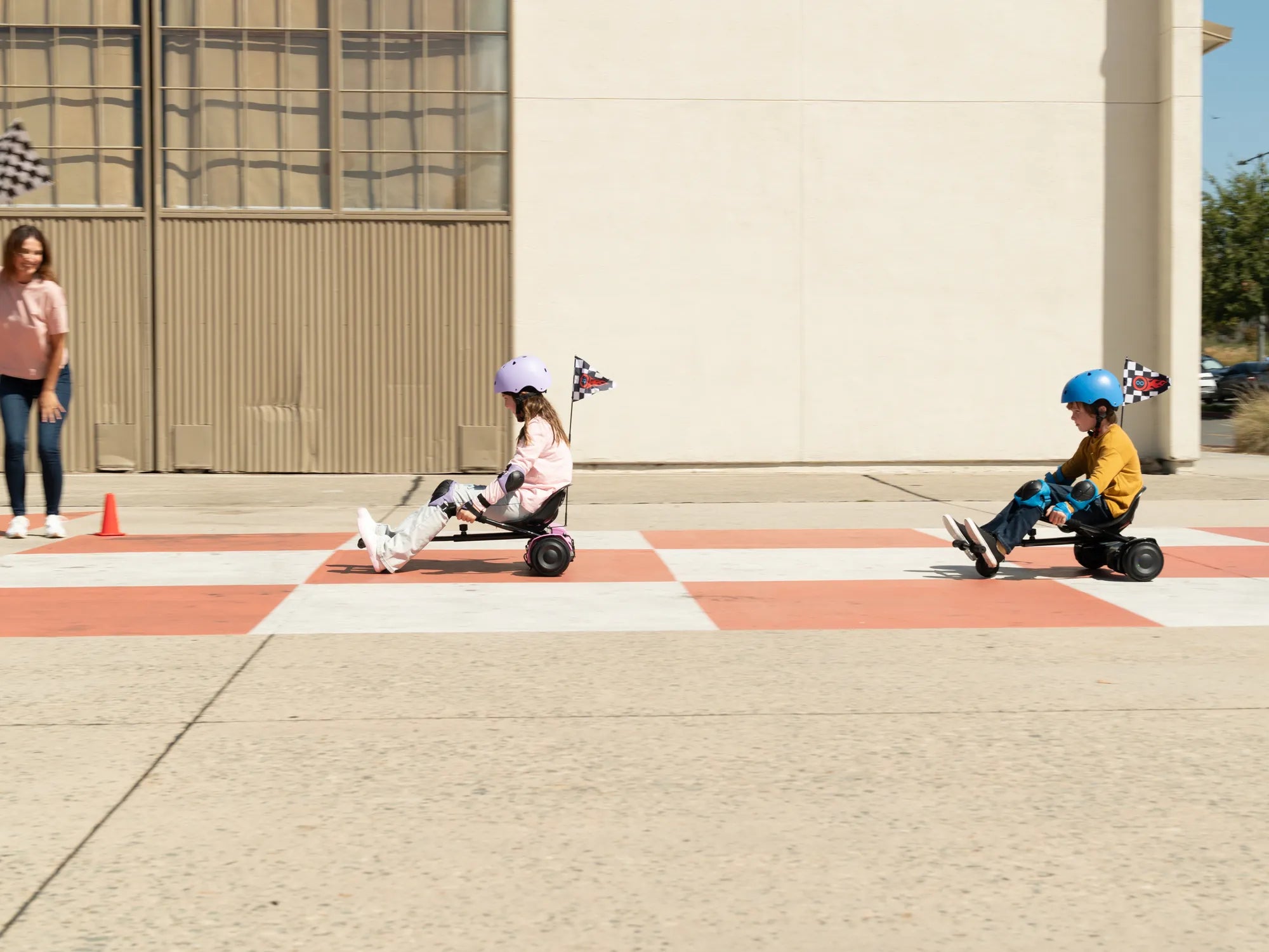
A> While some models are marketed for younger riders, it is crucial to check the manufacturer's minimum age and weight recommendations. These devices require good balance, coordination, and judgment. For any child, close adult supervision, full protective gear, and strict adherence to safe riding practices are non-negotiable.
Conclusion: Stepping into a Smarter, More Efficient Future
The two wheel balancing scooter has firmly established itself as a legitimate and transformative mode of personal transportation. It successfully addresses the critical challenges of urban congestion, environmental sustainability, and the need for flexible, enjoyable mobility. By blending intuitive technology with practical design, it offers a unique solution that is both a tool for efficiency and a source of recreation.
The future of personal transport is undeniably electric, connected, and personalized. Embracing this future requires choosing products engineered with integrity. Brands like Gyroor demonstrate that innovation must be paired with uncompromising safety standards—like UL-certified batteries—and backed by solid customer support. This combination empowers riders to adopt this technology with confidence.
Whether your goal is to streamline your daily commute, explore local trails, or simply experience the joy of gliding, the right two-wheel balancing scooter is a gateway to a more dynamic and efficient lifestyle. It represents a personal step towards a smarter urban future.
Ready to find the perfect model for your journey? Browse the full Gyroor collection, featuring UL-certified, IPX5-rated models for every rider, at gyroorboard.com.
Pink Hoverboard for Kids: The Ultimate Guide to Fun and Safety
Big Wheel Hoverboard: The Ultimate Guide to Choosing the Best Ride